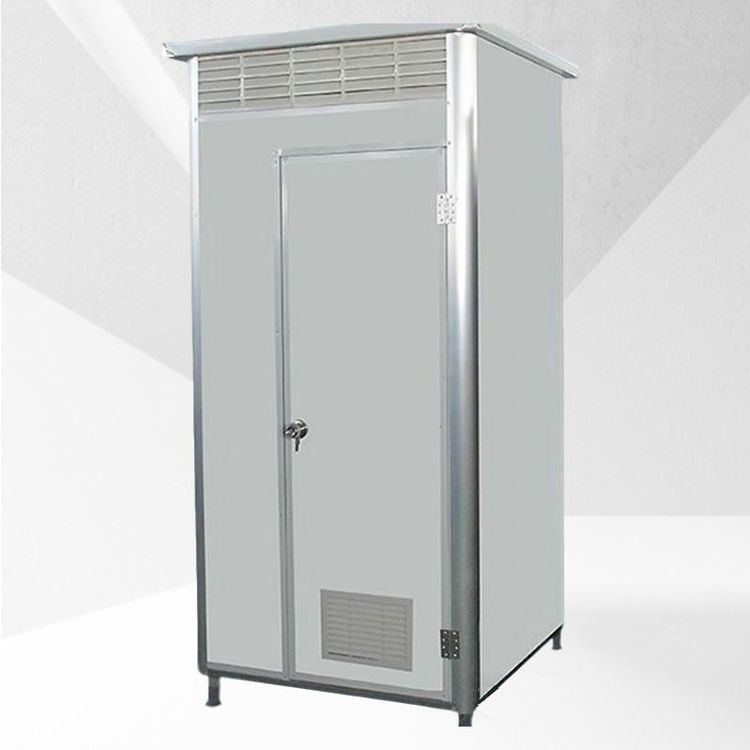
Haoyun Environmental Protection Mobile Toilet
Haoyun Environmental Protection Mobile Toilets come in a variety of types, with three main sewage disposal methods.

Haoyun Environmental Protection Mobile Toilets include multiple types, such as water-flush ecological mobile toilets, landscape-type ecological mobile toilets for gardens and scenic spots, steel-structure single-unit mobile toilets, and color-steel plate single-unit mobile toilets. These different types of mobile toilets can be selected according to various usage scenarios and requirements. For example, landscape-type ecological mobile toilets can be chosen for gardens and scenic spots, which not only meet usage needs but also blend in with the scenic environment. For temporary event venues, steel-structure single-unit mobile toilets or color-steel plate single-unit mobile toilets can be selected, as they offer easy installation and flexible mobility.
Regarding sewage disposal methods, the first type is water-flush and non-water-flush suction toilets. Water-flush toilets are equipped with a water-flush device inside, usually with a water tank placed on top of the toilet. Water flows down by gravity to flush the fixtures, and a sewage tank at the bottom of the toilet collects the flushed sewage. Non-water-flush mobile toilets, on the other hand, have no flushing device and directly use a sewage tank at the bottom of the toilet to receive the excreta of users. Both methods require regular suction and cleaning of the sewage tank to transport the sewage to designated disposal sites.
The second type is dry-packing toilets. This type of toilet has no water-flush device, and excreta are received by biodegradable plastic bags placed below the fixtures. After each use, the system automatically replaces the plastic bag with a new one to ensure hygiene and convenience. After use, the plastic bags containing waste are collected and transported to a treatment plant for disposal. This method requires no water flushing, greatly conserving water resources and facilitating waste collection, making it suitable for areas with scarce water resources or high environmental protection requirements.
The third type is circulating water-flush toilets. They are equipped with intermittent aerobic and anaerobic treatment devices for fecal sewage, with the addition of biological strains. Using biofilm technology, they accelerate the fermentation and decomposition of fecal sewage. Then, through a filtration device, the treated fecal sewage is recycled for flushing the toilet fixtures. This advanced fecal sewage treatment technology not only conserves precious water resources but also reduces the frequency of sewage suction and lowers operational costs.