Hangzhou Cement Prefabricated House
The Hangzhou cement prefabricated house is a modular building constructed using integrated reinforced concrete forming technology, featuring superior structural performance, a wide range of application scenarios, and strong synergy with urban development.
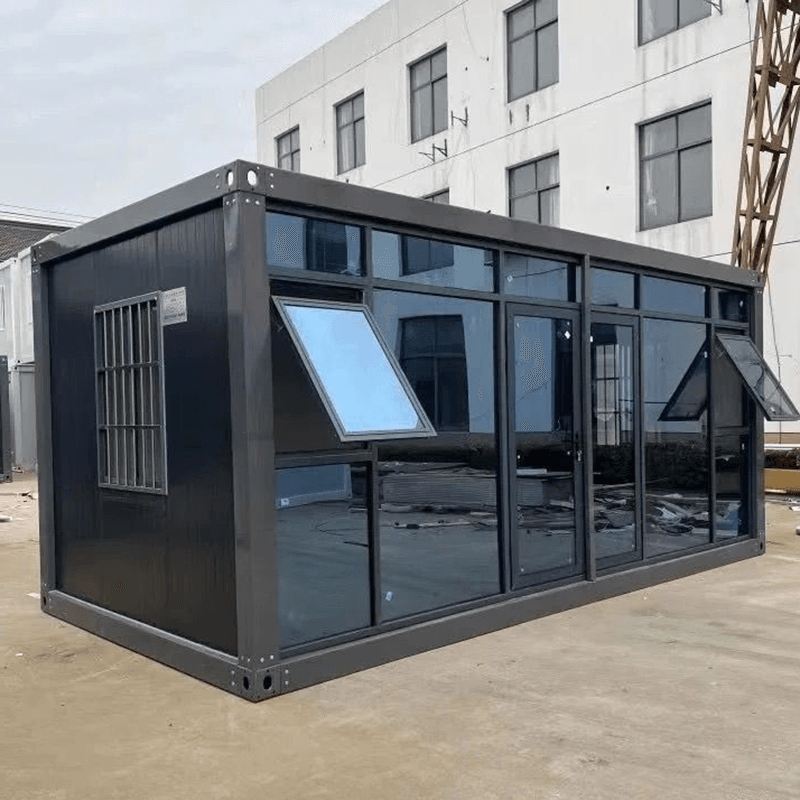
Structural Performance
The main body of the Hangzhou cement prefabricated house adopts integrated reinforced concrete forming technology, with a wind pressure resistance rating of over 10 and a fire resistance limit exceeding 2 hours, effectively withstanding harsh weather and fire risks. Its standardized connector design results in a disassembly and assembly loss rate of less than 5%, and each module can be reused 8 - 10 times, significantly reducing long-term usage costs. The built-in insulation layer and ventilation system can meet the all-year-round usage requirements in northern Zhejiang, balancing energy efficiency and comfort.
Typical Application Scenarios
- Urban Construction Support: As barracks for subway construction workers, 50 modules can complete the installation of water and electricity utilities within 72 hours, quickly responding to temporary needs.
- Commercial Temporary Facilities: The Wulin Business District once used a three-story modular combination as a brand pop-up store, handling an average daily footfall of 3,000 people, demonstrating its structural stability and commercial adaptability.
- Emergency Support System: During the flood control period of the Qiantang River, the prefabricated house served as a command center, ensuring 72 hours of uninterrupted operation and highlighting its emergency response capabilities.
Synergistic Effects with Urban Development
- Land Intensive Utilization: It saves 40% of the land area compared to traditional panel houses, aligning with the demand for efficient space utilization in the renovation of Hangzhou's old urban areas.
- Environmental Benefits: The carbon dioxide emissions of a single module are 65% lower than those of on-site construction, in line with the trend of green building development.
- Smart City Interface: Pre-embedded installation points for 5G base stations support future IoT upgrades, reserving expansion space for smart city infrastructure.
Policy Support Background
Hangzhou continues to promote the renovation of old communities, including demolition and reconstruction as well as upgrading. The "Guidelines for Steadily Promoting the Pilot Work of Independent Renewal of Old Urban Residential Areas in Zhejiang Province (Trial)" clearly promotes the sale of existing houses. Both central and local levels are accelerating the renovation of old residential areas, focusing on the rectification of Grade D dilapidated buildings, improving infrastructure, and supporting the installation of elevators and greening and beautification. Due to its modular and reusable characteristics, the cement prefabricated house has application potential in the renovation of urban villages and the "combination of demolition and renovation" in historical and cultural blocks, enabling the goal of "renovating the old to look like new".