Hanging Mobile Toilet in the Air
Currently, there is no modern facility called a 'hanging mobile toilet in the air', but there is a related historical concept—the medieval hanging toilet. However, it differs significantly from modern mobile toilets in terms of design purpose and structure.

Definition and Characteristics of Modern Mobile Toilets
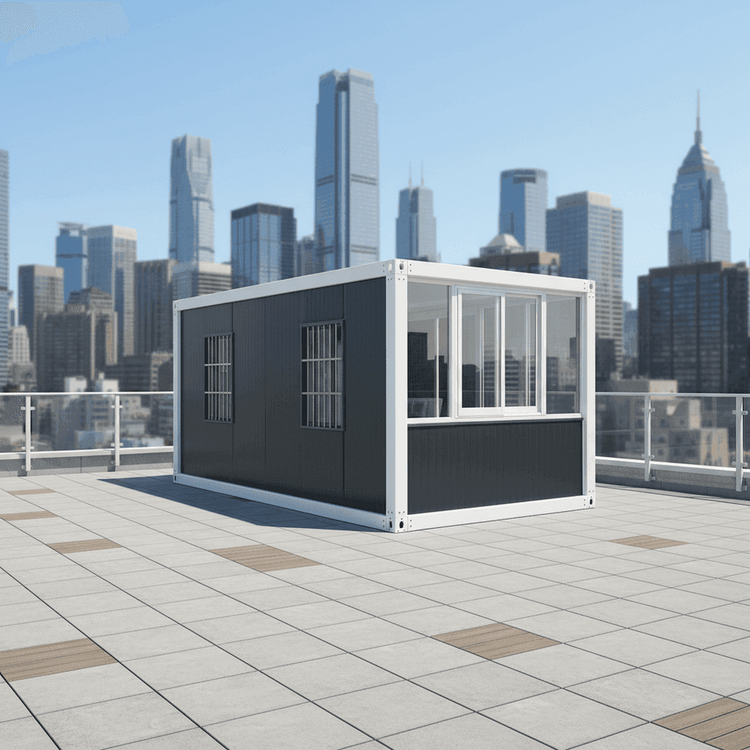
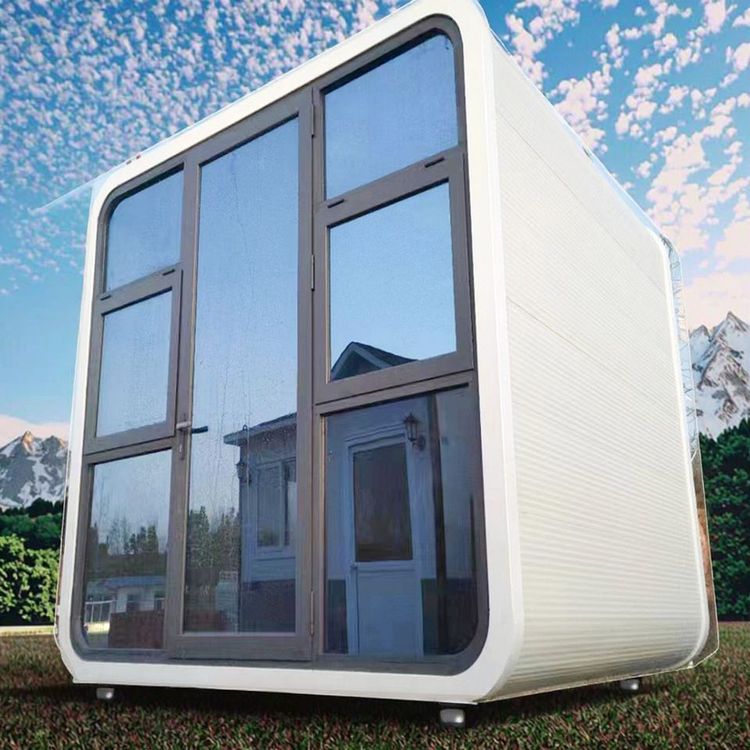
Modern mobile toilets generally refer to sanitary facilities that can be moved as a whole and set up in fixed or temporary locations. Their original design intent is to meet the toilet needs of temporary and mobile venues, such as large-scale outdoor events, construction sites, and disaster relief sites. There are various types of mobile toilets, including single-unit mobile toilets, trailer-mounted mobile toilets, and vehicle-mounted mobile toilets. Their structures are generally compact, equipped with basic toilet functions, and some are also equipped with sinks, lighting, and other facilities to enhance the user experience.
Historical Background and Structure of Medieval Hanging Toilets
Medieval Europe had hanging toilets, which were typically built two or three stories high and hung on the outside of city walls. Their main design purpose was to solve urban sanitation problems by directly discharging waste into the sewer chutes below or connecting to the ground through long sewers to avoid accumulation and pollution within the city. Structurally, hanging toilets were usually constructed from wood or stone materials and fixed to the outside of city walls or buildings, relying on the support of the buildings to remain stable.
Analysis of Differences
The medieval hanging toilet is not a 'mobile toilet' in the modern sense. Modern mobile toilets emphasize mobility, allowing for rapid deployment and withdrawal as needed; whereas medieval hanging toilets were fixed to specific buildings and could not be moved freely. In addition, modern mobile toilets place greater emphasis on hygiene, comfort, and environmental protection in their design, employing advanced sewage treatment technologies and materials; whereas medieval hanging toilets mainly focused on waste discharge, with relatively poor sanitary conditions.