Handan Mobile Container House
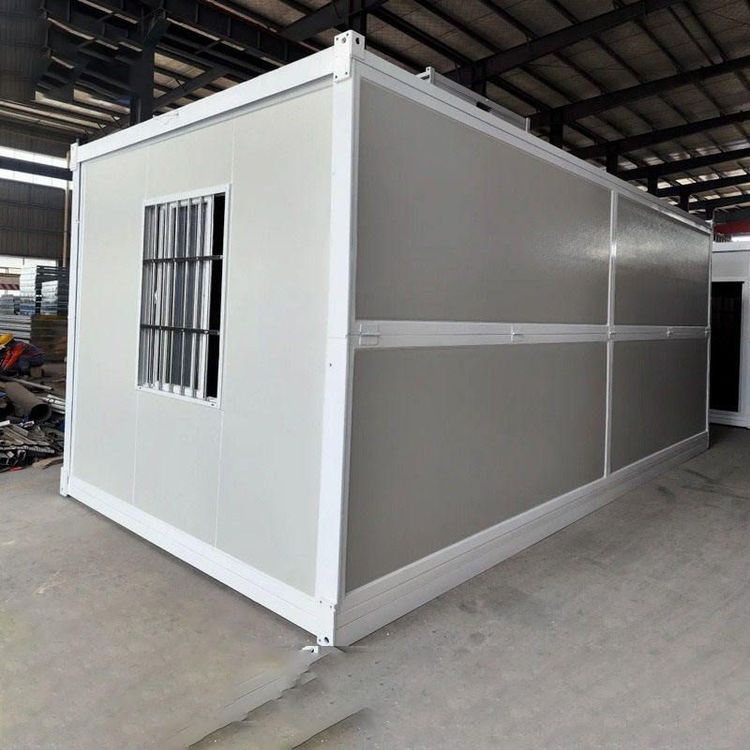
Handan mobile container houses feature modularity, mobility, and low cost, making them widely applicable in temporary offices, emergency housing, and small commercial venues. When purchasing, it is essential to focus on core indicators such as structural safety, material environmental friendliness, and project efficiency.

Key Features and Advantages
Mobile container houses are assembled from standard containers through modular design, offering significant advantages such as rapid deployment, flexible relocation, and green sustainability. Their main structure is made of steel frames, with cladding materials mostly being sandwich panels with a fire rating of A. Formaldehyde emissions are below the E0 standard, ensuring environmental performance meets national requirements. With over 90% prefabrication in factories, there is minimal wet work on-site, reducing construction waste and significantly improving project efficiency compared to traditional buildings, with delivery typically taking 15-45 days from order placement.
Application Scenarios and Requirement Differences
Requirements for container houses vary across different scenarios:
- Construction Engineering Scenarios: Focus on structural safety, such as whether wind and earthquake resistance levels meet Grade 8 fortification requirements, as well as transportation convenience and rapid deployment capabilities.
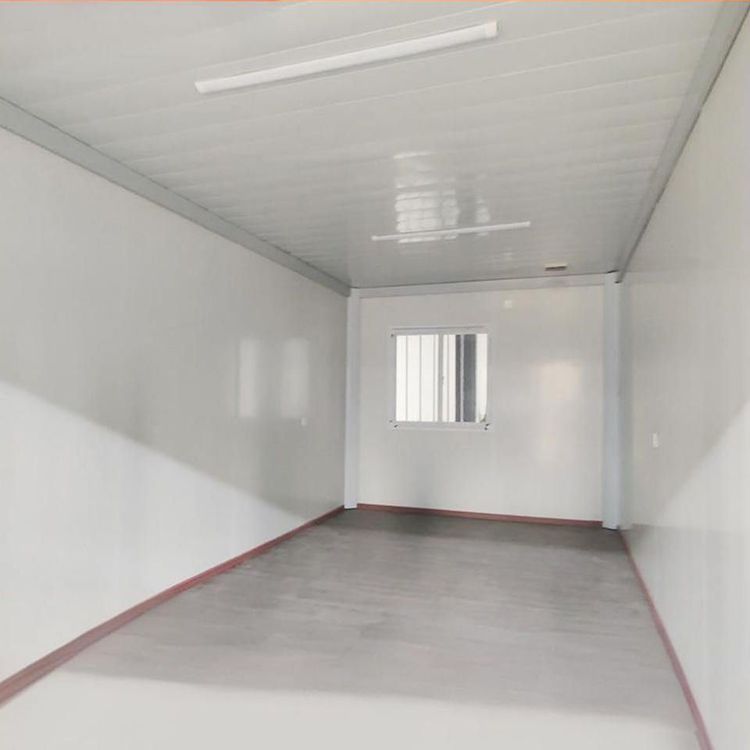
- Commercial Operation Scenarios: Emphasize appearance cleanliness and space utilization, such as whether wall materials support customized design and whether internal layouts are flexible and adjustable.
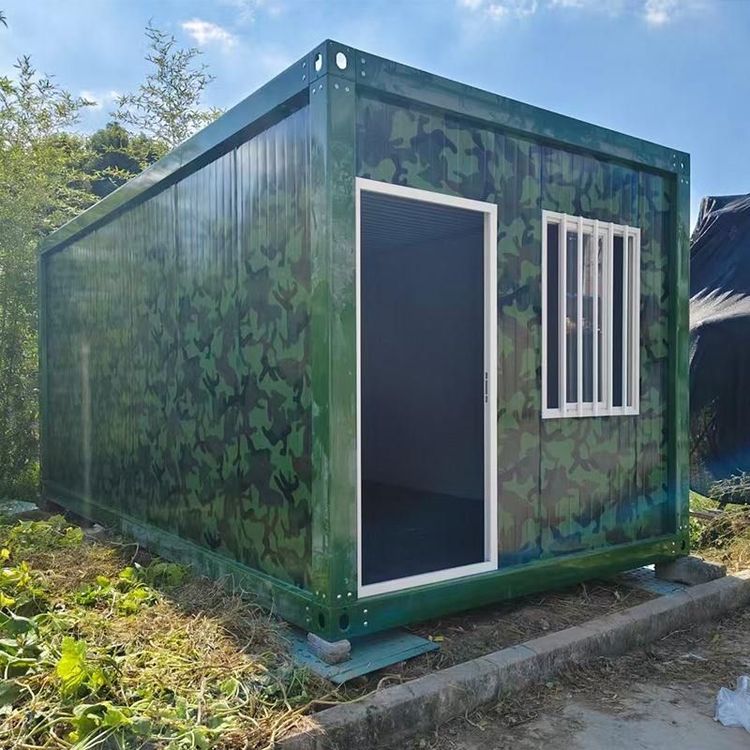
- Cultural and Tourism Support Scenarios: Highlight overall aesthetics and environmental integration, such as whether the container surface uses anti-rust and anti-corrosion processes and whether the color coordinates with the surrounding landscape.
Purchase Considerations
- Structural Safety: Prioritize manufacturers with steel structure engineering contracting qualifications to ensure the main structure uses welded H-section steel or box-section beams and columns, with load-bearing capacity meeting usage requirements.
- Material Quality: Check if the channel steel thickness meets standards to avoid container deformation or shortened service life due to insufficient thickness.
- Customization Capabilities: Choose manufacturers that support flexible customization of size, appearance, and internal layout based on needs, especially confirming whether projects with complex functional layouts or special appearance requirements can be realized.
- After-sales Service: Evaluate whether the manufacturer provides basic installation instructions and their performance in terms of delivery cycles for large orders and after-sales response speed.