
Haiyang Rural Mobile Toilets
The situation regarding mobile toilets in rural Haiyang can be introduced from three aspects: information-based management and maintenance, government supervision, and the technical characteristics of manufacturers.
Shandong Mobile Haiyang Branch assists in the management and maintenance of rural sanitary toilets through information-based means. Its innovative "Smart Management and Maintenance System for Rural Sanitary Toilets" effectively addresses the issue of weak management in rural sanitary toilets and reduces toilet maintenance costs. As of March 2024, it has cumulatively carried out rural toilet renovations for 17 townships and sub-districts in Haiyang City, with a total of approximately 67,000 households having their toilets renovated. This initiative not only improves the management level of rural sanitary toilets but also provides rural residents with a more convenient and hygienic toilet environment.
The Haiyang City Housing and Urban-Rural Development Bureau actively carries out investigations and rectifications of rural toilet issues, as well as on-site supervision. The supervision covers various aspects, including toilet renovation records, renovation quality, subsequent management and maintenance, public toilet construction, and the establishment of service stations. Through on-site supervision, the Haiyang City Housing and Urban-Rural Development Bureau can promptly identify and resolve issues that arise during the rural toilet renovation process, ensuring that the renovation work achieves tangible results and further enhancing the overall quality and service level of rural toilets.
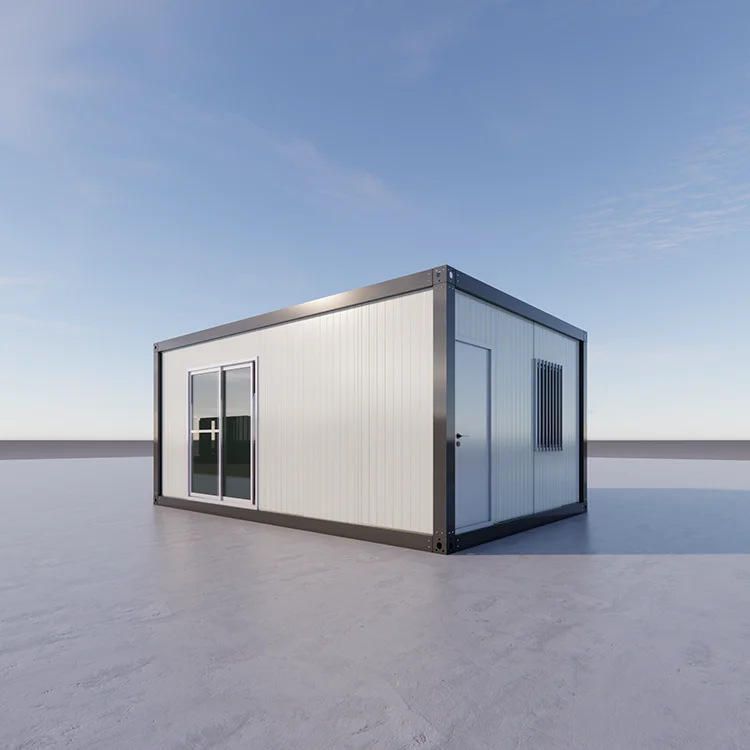
Henan Guting Metal Products Co., Ltd., as a manufacturer of mobile toilets in Yantai, provides sustainably designed mobile toilets to areas such as Haiyang City. For its mobile toilets, priority is given to the use of recyclable materials, such as recycled aluminum alloys and biobased plastics, with a recycling rate of ≥90%. In terms of construction techniques, dry construction methods are promoted, such as snap-fit installation, to reduce construction waste emissions. For energy management, smart meters are deployed to monitor energy consumption in real-time, and AI algorithms are used to optimize equipment operation strategies, achieving an energy-saving rate of ≥20%. In addition, the carbon emissions of a single toilet unit in steel-structured toilets over their entire lifecycle (including production, transportation, use, and demolition) are ≤12 tons of CO₂e, while those in brick-and-concrete toilets are ≥35 tons of CO₂e. The photovoltaic roofs of its mobile toilets can generate enough electricity to meet 60% of the power needs of lighting and ventilation systems, reducing reliance on the municipal power grid and embodying a green, environmentally friendly, and energy-saving design concept.



