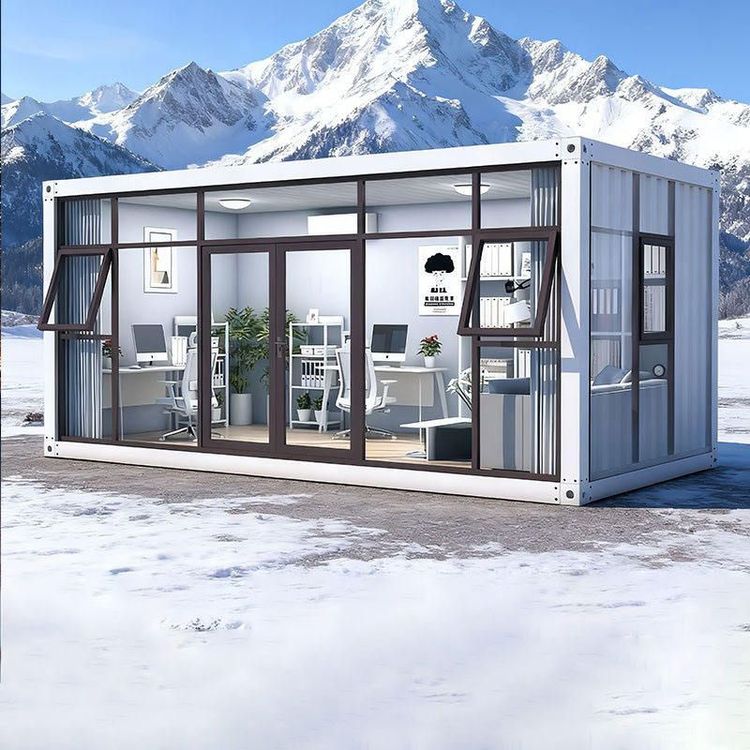
Haibei Craft Mobile Toilet
The Haibei craft mobile toilet achieves a combination of environmental protection and durability through multi-dimensional technologies, with its core features reflected in materials, structure, environmental functions, and manufacturing processes.
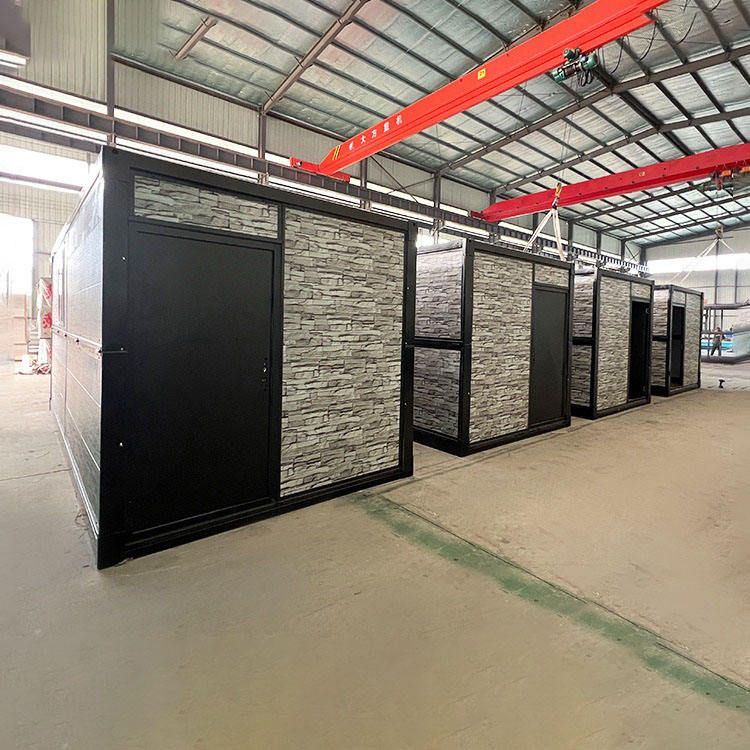
Material Selection Balances Protection and Recycling
The core material is color-coated steel, composed of a galvanized steel surface layer, an intermediate filling layer, and a bottom moisture-proof film. The surface galvanized layer can resist ultraviolet radiation from high-altitude areas and oxidation reactions caused by temperature differences, extending the material's lifespan. The intermediate layer is filled with polyurethane or rock wool, forming an insulation barrier to adapt to extreme climates. The bottom moisture-proof film prevents metal corrosion caused by water vapor penetration. Some manufacturers use color-coated steel plates with a higher proportion of recycled steel, incorporating the concept of resource recycling to reduce environmental burdens.
Structural Design Focuses on Load-Bearing and Safety
The frame adopts a modular truss structure, with node load-bearing and deformation thresholds calculated through computer simulations to ensure overall stability. The connection between side panels and the roof uses hidden latches and sealing strips for double fixation, enhancing airtightness. The floor is designed as a combination of anti-slip patterned steel plates and anti-corrosion wooden interlayers, improving usage safety while reducing ground moisture transmission. The modular design facilitates transportation and rapid assembly, adapting to various scenarios.
Environmental Functions Enable Efficient Resource Utilization
The water-saving flushing system is equipped with pressure-sensitive valves and atomizing nozzles, significantly reducing single-flush water consumption. Some units are connected to small-scale biological treatment tanks, utilizing microbial degradation technology to treat waste and reduce sewage discharge. The roof integrates solar photovoltaic panels to power internal equipment, while the ventilation system employs passive air duct design to reduce electricity dependence. These technologies collectively achieve the recycling of water and energy resources, meeting sustainable development requirements.
Manufacturing Process Ensures Quality and Reliability
Plate cutting uses CNC equipment to ensure dimensional accuracy, while the welding process employs inert gas shielded welding to minimize oxidation. Surface treatment involves multiple processes, including degreasing, phosphating, and electrostatic spraying, to enhance corrosion resistance. Each functional module on the assembly line undergoes independent airtightness and load tests before entering final assembly, ensuring long-term fault-free operation of the product.
Additionally, Haibei Prefecture has improved barrier-free facilities, optimized toilet stall ratios, and promoted mobile toilet layouts through its tourism toilet quality improvement initiative, further enhancing service levels and user experiences.