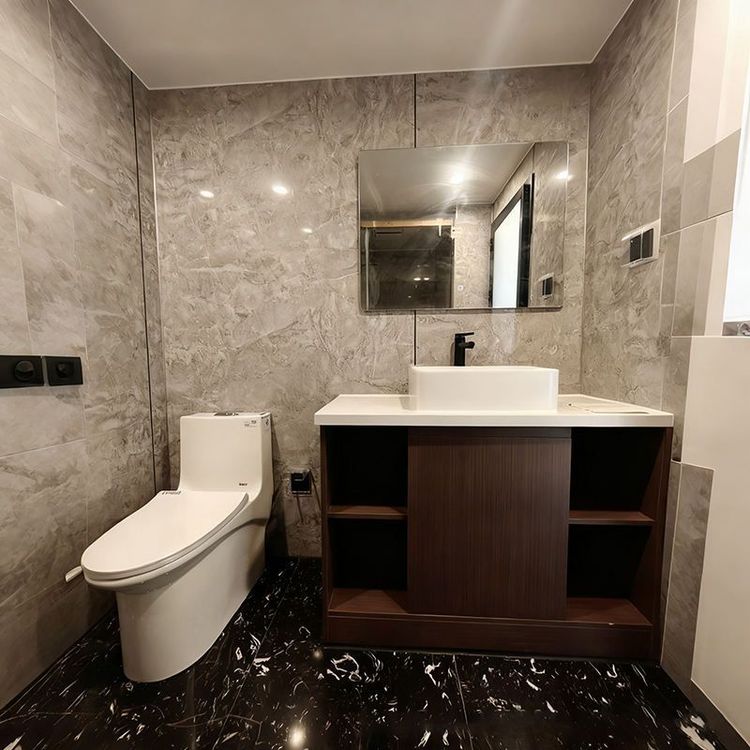
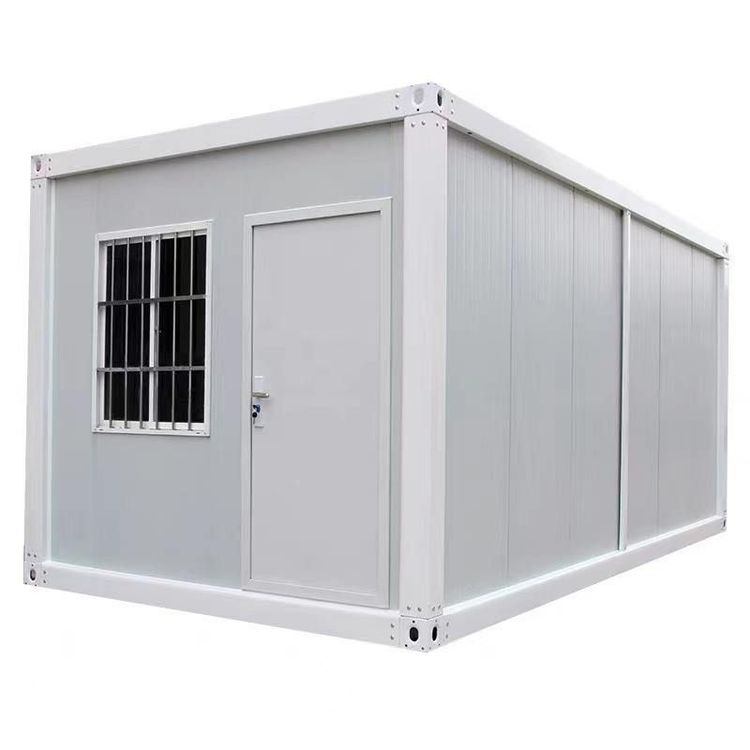
Mobile Toilets in Guoluo Prefecture Parks
Mobile toilets in Guoluo Prefecture parks require specialized design for cold and permafrost environments. Key considerations for procurement in 2026 include reliability in extreme low temperatures, modular adaptability, and pipeless sewage disposal technology. Their technical approaches and environmental values are reflected in the following aspects:
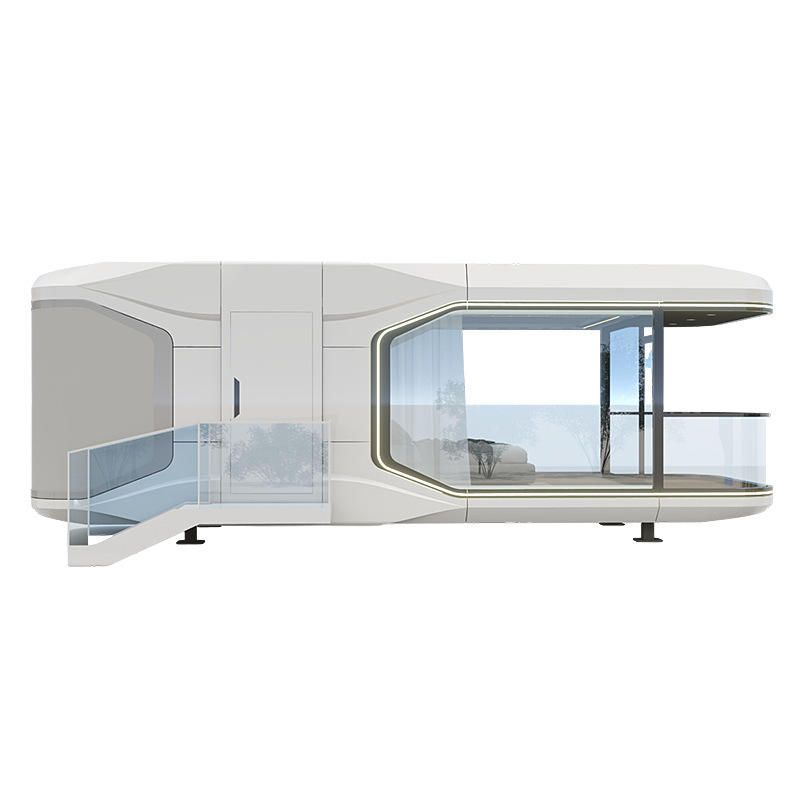
1. Product Types and Performance Adaptation
Steel-structured insulated mobile toilets are the mainstream choice, accounting for over 68%. They utilize double-layer galvanized steel plates + polyurethane foam insulation layer (thickness ≥ 80mm) to effectively isolate external cold temperatures. Standard features include electric tracing pipes, frost-resistant hand basins, and solar power supply interfaces, ensuring continuous and stable operation in environments as cold as -35°C. For example, the GT-35 series from Guting Metal Products operated fault-free for 137 consecutive days at a winter emergency support site in Maduo County, demonstrating its adaptability to cold conditions. The typical dimensions of a single unit are 2.0×2.4×2.8m, supporting customized photovoltaic bracket interfaces and quick-release structures for biodegradation tanks to meet the needs of decentralized energy access and rapid maintenance.
2. Installation Technology and Permafrost Layer Treatment
Given the characteristics of permafrost layers, a shallow-buried foundation combined with frost heave prevention technology is required: an insulation layer (such as polystyrene foam board) and a drainage layer (gravel or permeable concrete) are laid around the foundation to prevent structural deformation caused by frost heave; modular assembly is adopted, with connection points designed as adjustable structures to accommodate ground displacement caused by freeze-thaw cycles. Such techniques reduce construction disturbance to the permafrost and extend the service life of the facilities.
3. Excreta Treatment Systems
Two technical approaches are recommended:
- Biodegradation technology: Utilizes psychrophilic microbial communities to decompose organic matter in environments ranging from -5°C to 15°C. The treated residues can be used as soil amendment materials, achieving resource utilization.
- Vacuum micro-water technology: Consumes less than 0.5L of water per use, equipped with a biological agent treatment tank or vacuum sewage collection tank, supporting 7-15 days of maintenance-free operation, suitable for low-maintenance scenarios in remote areas.
4. Environmental Protection and Energy Configuration
Lifecycle resource management reflects environmental value: modular transportation reduces on-site construction damage to vegetation, with disassembled components having a reuse rate of over 80%, and color steel plates being recyclable. Some models are equipped with sensors to monitor the operational status and discharge quality of treatment units in real-time, ensuring compliance with environmental standards. For energy configuration, it is recommended to adopt a photovoltaic + energy storage system, with the battery pack capacity meeting the electricity demand for three consecutive cloudy and rainy days. Auxiliary wind power generation devices should use low wind speed startup blades to adapt to the complex climatic conditions of the plateau.