
Gulou Park Mobile Toilet
The construction and management of mobile toilets in Gulou Park vary by region, but generally focus on addressing toilet needs, enhancing user experience, and adopting advanced technologies for environmental protection and intelligence.
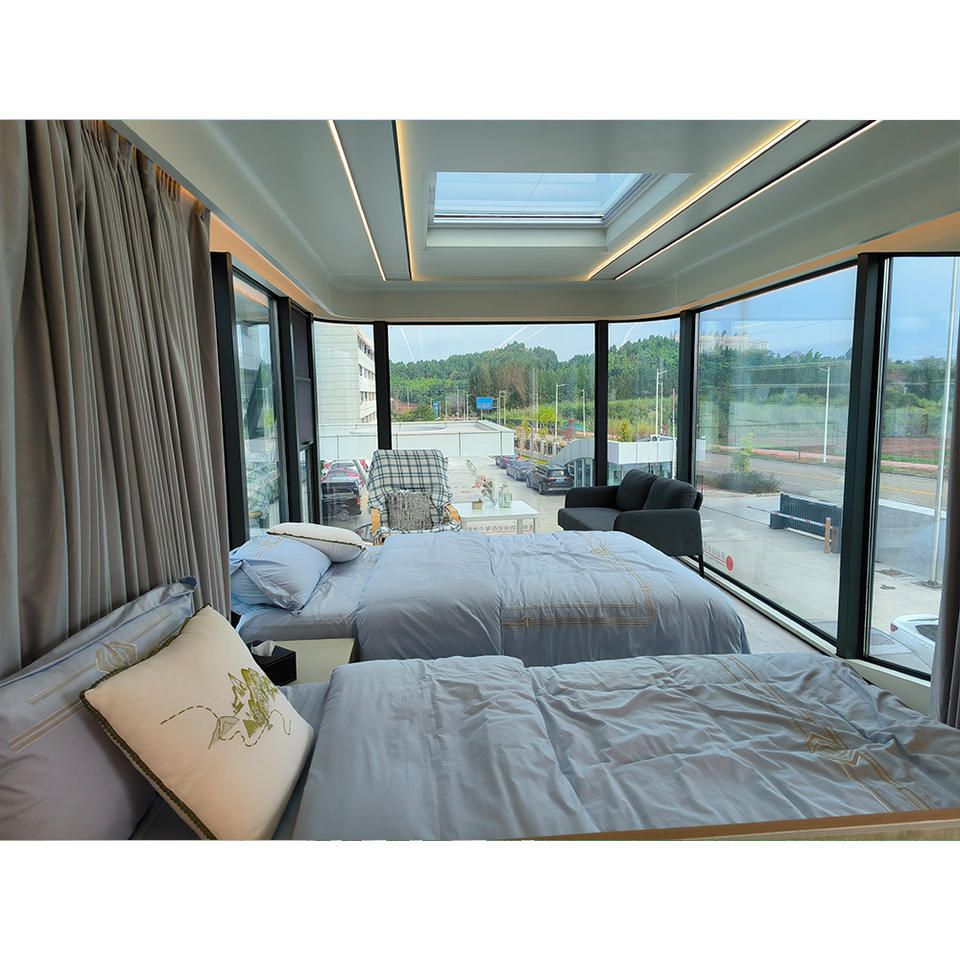
I. Gulou Park, Nanjing: Historical Legacy Issues and Formalities Completion
The construction of mobile toilets in Gulou Park, Nanjing, is related to historical legacy issues. The original public toilet, built in the 1970s, lacked property and land certificates, resulting in incomplete formalities for the construction of a new two-story building (including mobile toilets and a power distribution room). The management office responded that due to historical reasons, the building could not directly obtain property rights, and it was currently in the process of completing planning permits and other formalities. This case reflects the institutional challenges faced by some old parks in facility upgrades and highlights the flexibility of mobile toilets as a temporary solution.
II. Lianhu District, Xi'an: Dynamic Deployment and Refined Services
Lianhu District, Xi'an, adopts a 'one toilet, one policy' model to dynamically deploy mobile public toilets in response to the dense tourist flow around the Bell and Drum Towers. These toilets are located in high-traffic areas (such as Bell and Drum Tower Square and around subway entrances), ensuring real-time availability through inspection mechanisms. In terms of services, they are equipped with dedicated cleaning staff, non-slip mats, hand sanitizers, and other facilities. Some toilets also include third restrooms or barrier-free facilities to meet the needs of special groups. This model demonstrates the advantages of mobile toilets in 'demand-based configuration and rapid response,' effectively alleviating toilet pressure during peak tourist seasons.
III. Technical Features: Emphasis on Environmental Protection and Intelligence
The technology selection for park mobile toilets focuses on environmental protection and user experience:
- Water-saving technology: Vacuum suction-type public toilets (such as the case in Datong Ancient City) reduce water consumption through negative pressure systems, suitable for areas with water scarcity; biological degradation-type toilets use microorganisms to decompose excreta, achieving zero emissions.
- Intelligent management: Some high-end models integrate IoT monitoring functions, enabling real-time alerts for toilet occupancy, consumable levels (such as toilet paper and hand sanitizer), and equipment failures, reducing maintenance costs.
- Comfort design: Technologies such as intelligent lighting, ventilation and deodorization systems, and temperature control enhance the user experience, while non-slip floors and safety handrails ensure user safety.
IV. Application Scenarios and Adaptability
The deployment of mobile toilets should consider park size, tourist flow, and geographical conditions. For example, around historical buildings where permanent construction is restricted due to preservation requirements, mobile toilets can be flexibly adjusted in position; large parks can combine fixed and mobile toilets to cover remote areas. In terms of technology selection, flush-type toilets are suitable for areas with municipal sewage networks, while packaged or biological degradation-type toilets are suitable for sites without infrastructure.



