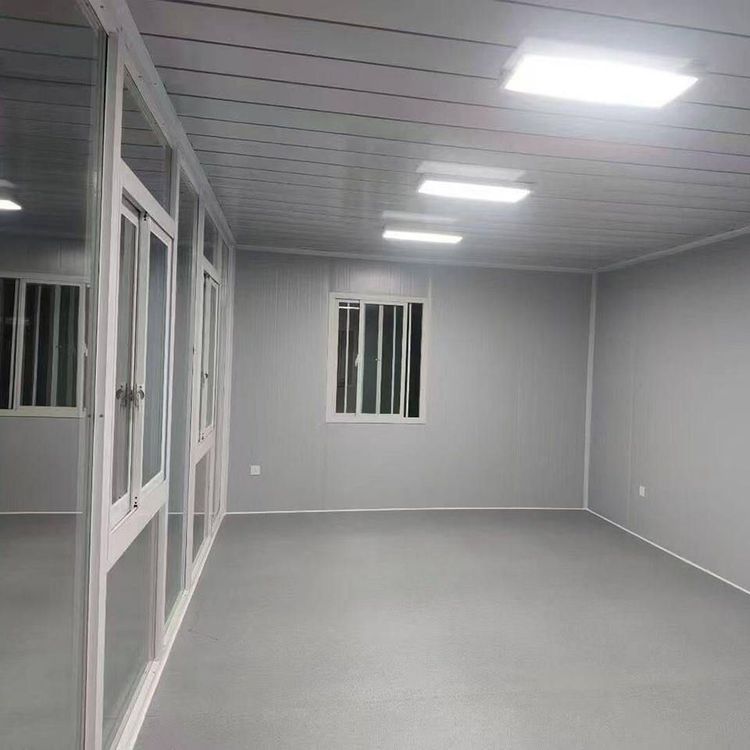
Guizhou Mobile Toilet Factory Design
The design of mobile toilet factories in Guizhou requires comprehensive consideration of key factors such as materials, functionality, sewage disposal, terrain adaptation, and service processes to ensure that the products meet local climate conditions, usage scenarios, and terrain characteristics.

Material and craftsmanship are the foundation of the design. Guizhou has a humid climate with frequent acidic rain, so the outer shell material must be rust-resistant and moisture-proof. High-quality manufacturers typically use reinforced fiberglass-reinforced plastic (FRP) or galvanized steel sheets with outdoor anti-rust coatings, which effectively resist the effects of humid environments and acid rain. The inner tank is made of high-density polyethylene (HDPE) formed in one piece, with few seams and a smooth surface, making it easy to clean and preventing leakage issues, thereby extending its service life.
Functional configurations need to be flexibly adjusted according to usage scenarios. For example, large-scale events like music festivals require an increased density of squatting positions and the design of quick-cleaning passages to improve turnover efficiency; high-end business meetings place greater emphasis on comfort, necessitating the inclusion of flushing systems, sinks, mirrors, and deodorization devices. Manufacturers should offer a variety of plans, including standard, luxury, barrier-free, and mother-and-baby-specific models, and support the selection of energy-saving or intelligent configurations such as solar exhaust fans, LED lighting, and automatic induction flushing to meet different scenario needs.
The choice of sewage disposal method directly affects environmental protection and applicability. Waterless packaging toilets seal feces with biodegradable film, requiring no water and producing no odors, making them suitable for remote areas with limited water supply; water-flush direct-discharge types need to be connected to municipal sewage networks and are suitable for locations with complete sewage disposal systems; microbial decomposition types utilize bacteria to degrade feces, achieving resource utilization, but require regular maintenance of bacterial activity. Manufacturers need to customize plans based on the usage area to ensure that the sewage disposal method matches the site conditions.
Terrain adaptation is a special requirement for mobile toilet design in Guizhou. Due to the significant terrain undulations, some venues require toilets to be placed on slopes, so the base must be equipped with adjustable legs to adjust the levelness through hydraulic or mechanical structures, ensuring stability during use. Additionally, the overall structure of the toilet should adopt a lightweight design to reduce transportation and installation difficulties while ensuring wind resistance.
The completeness of the service process reflects the professionalism of the manufacturer. The design must cover transportation, installation, regular sewage removal, and post-event recovery. Reliable manufacturers will specify response times in contracts, such as arriving at the site within 2 hours to handle malfunctions, and provide spare toilets to meet emergency needs. Regular sewage removal services can prevent blockages or odor issues, while quick recovery after events reduces site occupation and enhances customer satisfaction.