
Guizhou Mobile Toilet Dry-Wet Partition
Currently, there is no standardized product information directly targeting the 'Guizhou mobile toilet dry-wet partition,' but relevant functions can be achieved through customized solutions. The design of dry-wet partitions in mobile toilets needs to consider usage scenarios, functional requirements, and environmental protection standards. The following analysis is conducted from the perspectives of technical feasibility, customization plans, and practical applications:
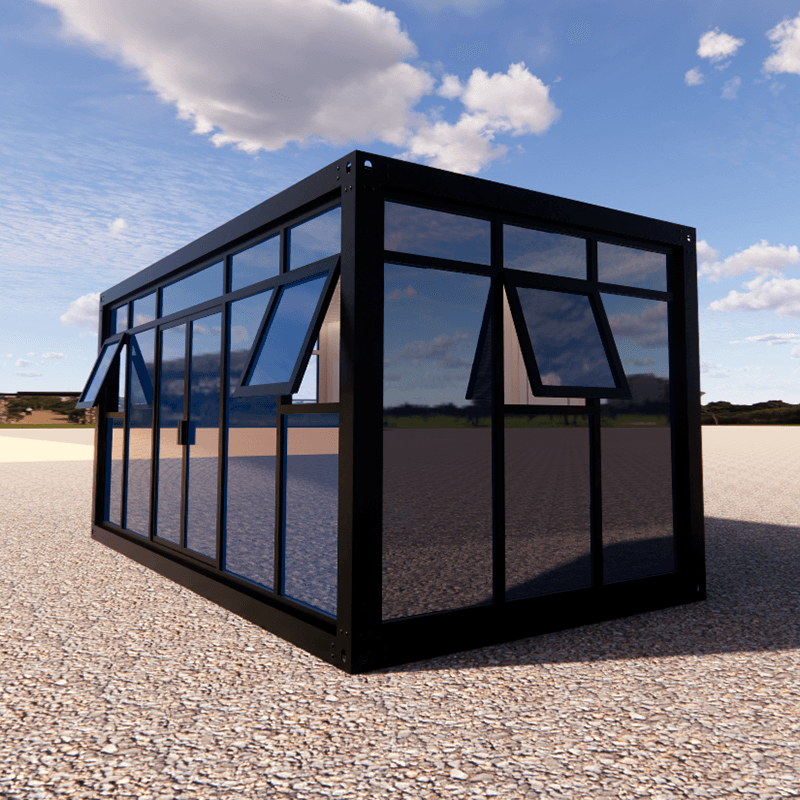
1. Technical Feasibility: Core Requirements for Dry-Wet Separation Can Be Met
The primary purpose of dry-wet partitions in mobile toilets is to separate the excretion area from the cleaning area, with core requirements including waterproofing, moisture resistance, ventilation, odor control, and structural stability. Factories in Guizhou already possess the technical capabilities to customize shower enclosures and glass partitions for bathrooms. The sliding door designs, waterproof seals, and corrosion-resistant materials (such as 304 stainless steel and tempered glass) they use can be directly applied to the dry-wet partitions of mobile toilets. For example, sliding doors save space and are suitable for the compact layout of mobile toilets; tempered glass partitions ensure natural light while effectively blocking water vapor, preventing moisture from the excretion area from spreading to the cleaning area.
2. Customization Plans: Adjustments Needed Based on the Uniqueness of Mobile Toilets
Traditional fixed bathroom dry-wet partition designs (such as shower enclosures) need to be optimized for the mobility and environmental protection requirements of mobile toilets.
1. Structural Reinforcement: Mobile toilets must withstand vibrations during transportation, so partition frames should use thickened profiles (such as aluminum alloy with a thickness of over 2.0mm), and anti-loosening devices should be added at connections to ensure long-term use without deformation.
2. Drainage System Integration: Dry-wet partitions need to seamlessly connect with the sewage collection system of mobile toilets. For example, the floor of the excretion area should be designed with a slope (≥2%) and equipped with odor-proof floor drains to ensure rapid drainage of sewage into the fecal storage tank; the cleaning area (such as sinks) should have separate drainage pipes to avoid cross-contamination with sewage from the excretion area.
3. Environmental Protection Technology Adaptation: Some mobile toilets in Guizhou use advanced treatment technologies such as biodegradation and vacuum suction, and dry-wet partitions need to reserve space for equipment installation. For example, biodegradable toilets require the installation of a bacterial reaction tank below the excretion area, and the partition design should avoid blocking ventilation openings or maintenance ports.
3. Practical Applications: Consideration of Differentiated Needs in Usage Scenarios
1. Scenic Spots/Temporary Event Scenarios: These scenarios have high foot traffic and require prioritizing the durability and ease of cleaning of partitions. It is recommended to use a combination of tempered glass and stainless steel frames, with anti-fouling coatings applied to the surface to reduce cleaning frequency; at the same time, the partition height should be ≥1.8m to ensure privacy.
2. Scenarios with Strict Environmental Protection Requirements: Such as nature reserves and areas near water sources, non-polluting materials should be selected. For example, partition frames can use recyclable aluminum alloy, glass can use low-emissivity (Low-E) materials to reduce heat conduction; seals can use silicone materials to avoid the emission of harmful substances.
3. Extreme Climate Scenarios: Some areas in Guizhou are cold in winter, and partitions need to have thermal insulation properties. An air gap can be added inside the glass, or double-layer tempered glass can be used to reduce heat loss; in summer, top ventilation openings can be designed to enhance air circulation and prevent闷热 (stuffiness) inside the partition.
4. Supplementary Suggestion: Prioritize Local Customization Services
Local factories in Guizhou are more familiar with climate conditions and transportation distances, enabling them to provide more precise customization plans. For example, in response to the rainy and humid characteristics of Guizhou, factories can adjust the waterproof rating of partitions (such as IPX4 or above) to ensure long-term use without leakage; at the same time, local production can shorten delivery times and reduce transportation costs.



