Guilin Square Portable Toilet
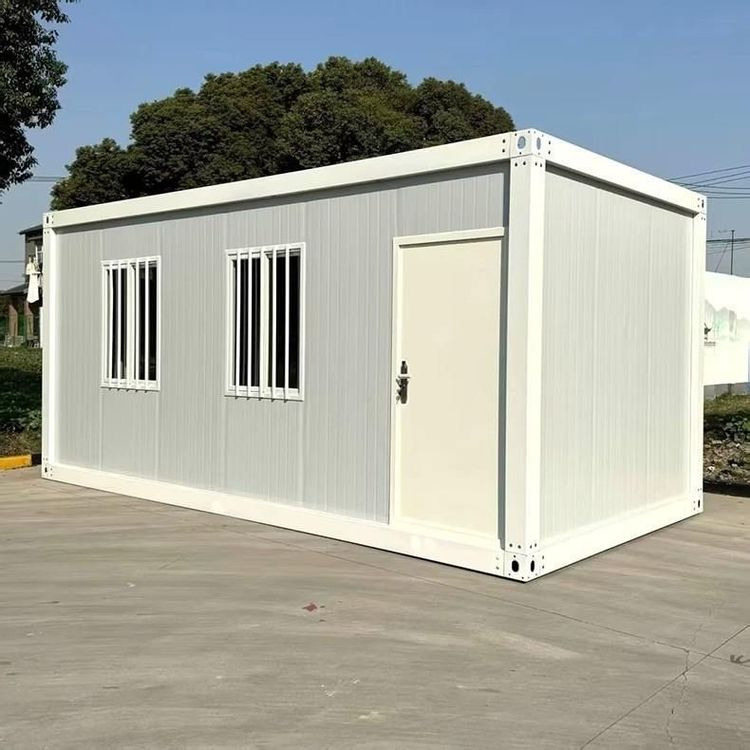
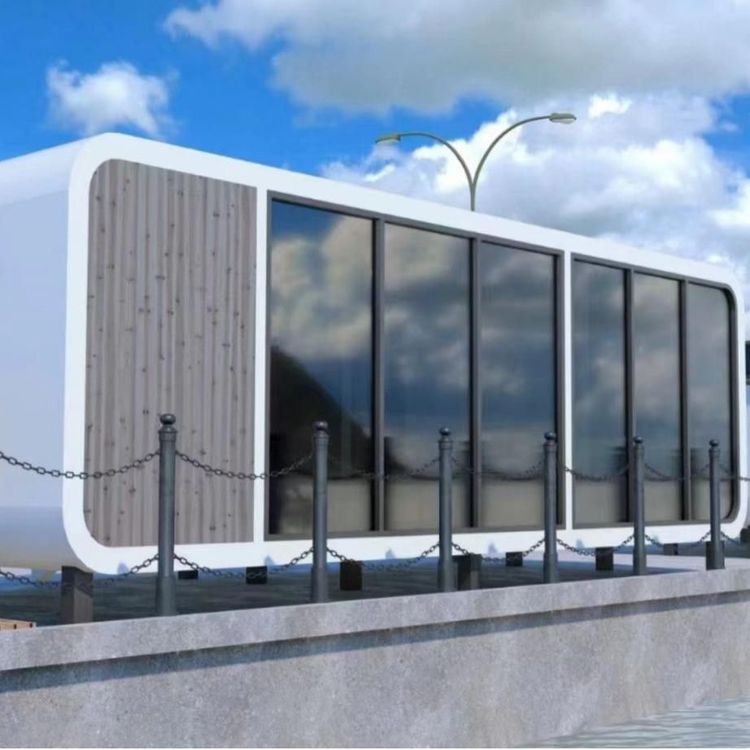
Portable toilets can be seen in public areas such as squares in Guilin. These toilets mainly provide convenient services for the passing crowd and are characterized by practicality, durability, and ease of cleaning.

As a popular tourist city, Guilin has a high volume of foot traffic in public areas, leading to a high demand for sanitation facilities. Portable toilets, as supplementary public facilities, are often deployed in high-traffic areas such as squares and around scenic spots to meet the temporary restroom needs of residents and tourists. Their presence effectively alleviates the problem of insufficient coverage by fixed public toilets, significantly improving public service efficiency, especially during peak tourist seasons or large-scale events.
Practicality is at the core of the design features. The structure of portable toilets usually adopts a modular design, facilitating quick installation, disassembly, and relocation to adapt to the dynamic needs of different scenarios. The outer shell materials are mostly high-strength composite panels or metal, which are corrosion-resistant and impact-resistant, enabling them to withstand complex outdoor environments. The internal layout is compact yet fully functional, typically including basic facilities such as independent squatting or sitting toilets and handwashing stations. Some high-end models are also equipped with barrier-free access, reflecting humanized design.
Durability and ease of cleaning are key considerations. To cope with high-frequency usage scenarios, the floors and walls of portable toilets often use anti-slip and anti-fouling tiles or specialized panels to reduce stain residue and lower cleaning difficulty. The drainage system is optimized to ensure rapid sewage discharge and prevent blockages. Additionally, the ventilation system combines natural ventilation with mechanical exhaust to effectively control odor diffusion and maintain fresh indoor air.
Water-saving technologies are widely applied. Some portable toilets are equipped with sensor-based flushing devices triggered by infrared sensors or foot pedals to avoid water waste. This design not only aligns with environmental protection concepts but also reduces contact contamination caused by manual operation, enhancing hygiene levels. Meanwhile, some models adopt a recirculating water treatment system that recycles handwashing water for toilet flushing, further conserving water resources.
Maintenance management focuses on efficiency. The cleaning of portable toilets is usually carried out regularly by professional teams, with increased cleaning frequency in high-usage areas. Some equipment is also equipped with intelligent monitoring systems that can provide real-time feedback on usage status, water levels, battery levels, and other data, enabling managers to promptly schedule maintenance resources and ensure the normal operation of the facilities.