
Guilin Mobile Public Toilets
Guilin mobile public toilets can be classified into four types based on usage scenarios: scenic-area-specific, temporary-event, public-area, and eco-friendly types, each with distinct features and clear service functions.
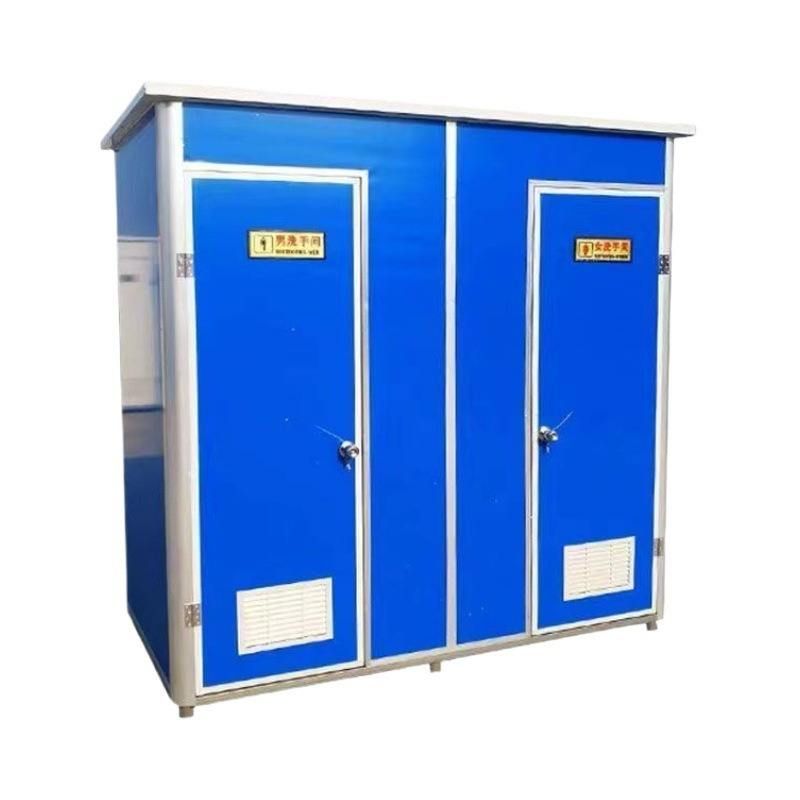
Scenic-area-specific mobile toilets are primarily located in popular scenic spots such as the Lijiang River and Yangshuo West Street. Their design emphasizes integration with natural or cultural landscapes, adopting antique or modern architectural styles to minimize visual disruption to the scenic areas. The internal facilities are relatively comprehensive, including standard provisions of toilet paper and hand soap, with some high-end models equipped with barrier-free access, baby-changing rooms, and emergency call devices to meet diverse visitor needs. These toilets are densely distributed, typically placed every 500-1000 meters, and follow a regular cleaning schedule, offering better hygiene conditions than ordinary public toilets, although queues may still form during peak periods.
Temporary-event mobile toilets are designed for short-term events such as the Guilin Landscape Music Festival and marathons, featuring rapid deployment and removal capabilities. Their structures are mainly made of lightweight materials, allowing installation within a few hours and quick removal to restore the site after the event. The facilities are basic, mostly providing squatting positions, with some large-scale events adding simple hand-washing sinks but lacking additional equipment like hand dryers or deodorization systems. These toilets have lower rental costs, suitable for event organizers with limited budgets, but require prior planning for sewage pipelines or the use of fecal storage tanks for temporary storage.
Public-area mobile toilets are commonly found in high-traffic areas such as railway stations, bus stations, and squares, with a design focus on practicality and durability. The exteriors are often made of corrosion-resistant metals or high-strength plastics, while the interiors are equipped with sensor-activated flushing systems, non-slip floors, and ventilation systems. Some models also incorporate smart monitoring to display real-time usage status and cleaning needs. These toilets handle hundreds of users per day, so they adopt a modular design for easy and quick repairs and maintain hygiene standards through regular deep cleaning.
Eco-friendly mobile toilets represent the future direction of development, utilizing water recycling or composting technologies to reduce environmental impact. For example, water-saving models use microorganisms to decompose feces, reducing water consumption to one-tenth of that of traditional toilets; composting toilets convert waste into organic fertilizer through natural fermentation, achieving resource utilization. These toilets are mostly deployed in ecologically sensitive areas or remote scenic spots. Although their initial costs are higher, they can save water resources and reduce pollution in the long run, aligning with sustainable development principles.



