
Back to blog
Article
Customization of Guilin Mobile Environmental Toilets
Admin October 05, 2026
The customization of mobile environmental toilets in Guilin requires systematic planning across four stages: customization, installation preparation, installation process, and post-installation completion, taking into account both functional practicality and landscape harmony. Specific requirements are as follows:
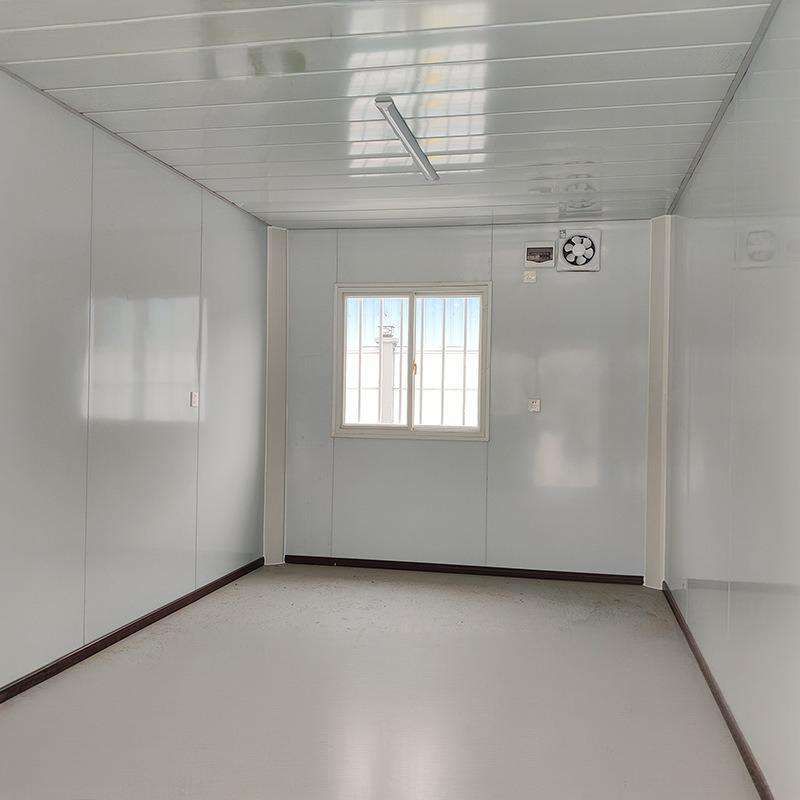
I. Customization Phase
- Scientific Planning: It is necessary to calculate the shortage of toilet stalls by considering the distribution of tourist flows and peak traffic in scenic spots, and reasonably determine the quantity, size, and ratio of toilet stalls. The ratio of female toilet stalls to male toilet stalls (including urinal stalls) should not be less than 1.5. Popular attractions and viewing platforms should be prioritized for configuration to avoid queues and congestion.
- Exterior Design: It is essential to incorporate regional cultural elements such as Guilin's landscapes and northern Guangxi's folk houses, using materials like imitation wood and imitation stone to ensure harmony with the surrounding natural or cultural landscapes and avoid a sense of incongrity.
- Functional Configuration:
- Basic Functions: It is mandatory to equip with accessible toilet stalls, water-saving toilets, and hand-washing facilities, providing hand sanitizer, hand dryers, and fire-extinguishing equipment to ensure safety and hygiene during use.
- Environmental Protection Technologies: In remote areas, solar power systems can be selected to reduce reliance on traditional energy sources. For sewage disposal, microbial degradation technology is recommended to minimize environmental pollution.
- Adaptation to Special Scenarios: For instance, in a customized solution provided by Guilin Lvlu Environmental Technology, a single-stall mobile toilet is equipped with a hand-washing sink, a rear fecal discharge valve, LED solar lights, and a non-slip patterned aluminum floor plate. It is suitable for temperatures ranging from -20℃ to 50℃ and can meet the needs of various scenarios such as parks, construction sites, and scenic spots.
II. Installation Preparation
- Compliance Reporting: It is necessary to submit the installation plan to the Guilin cultural tourism and environmental protection departments in advance to confirm compliance with the quality requirements and assessment standards for tourist toilets, avoiding occupation of core scenic areas, fire exits, or ecological protection zones.
- Site Survey: The ground needs to be leveled, and underground pipelines should be inspected. Soft soil foundations require reinforcement to ensure the stability and safety of the toilet after installation, preventing settlement or tilting.
III. Installation Process
- Modular Assembly: Priority should be given to modular design to reduce on-site construction time and minimize disturbance to the scenic environment.
- System Integration: Strictly regulate the connection of sewage and power supply lines to ensure seamless integration with municipal pipelines or independent treatment systems.
- Sealing Treatment: Properly seal the bottom to prevent leakage and contamination of soil and water sources, with particular attention to the sealing of microbial degradation toilets.
IV. Post-Installation Completion
- Commissioning and Acceptance: Comprehensively inspect the functionality of toilet stalls, sewage systems, lighting equipment, etc., to ensure compliance with hygiene standards and safety regulations.
- Operation and Maintenance Preparation: Equip with cleaning tools, clarify management responsibilities, and formulate a regular cleaning and maintenance plan to ensure the toilet remains clean, odor-free, and operates normally over the long term.



