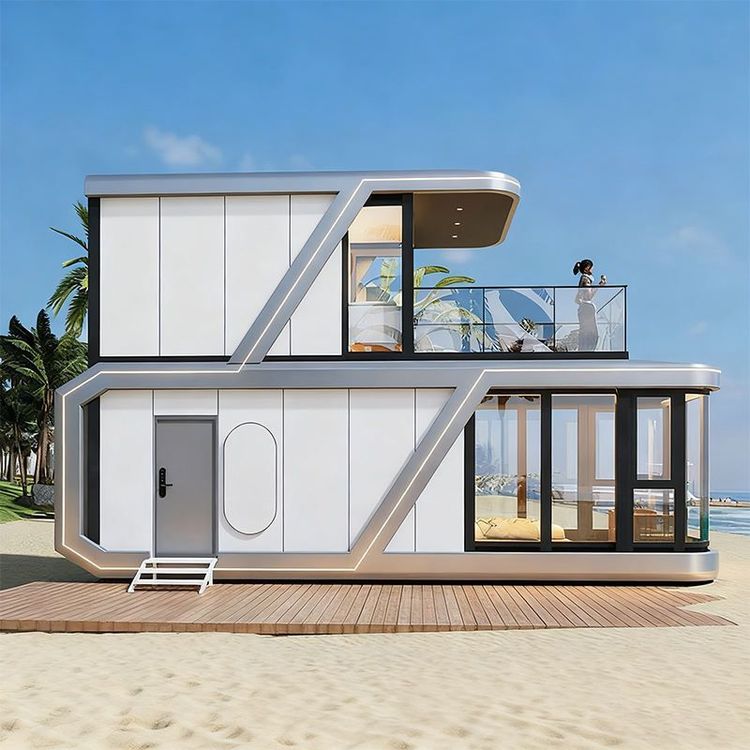
Gucheng Movable Toilet Structure Diagram
Although there is no specific structural diagram for movable toilets in Gucheng, they typically include core components such as the main frame, enclosure structure, functional modules, fecal collection and treatment system, and other systems.

Main Frame: This is the supporting structure of the movable toilet. It is generally welded using national standard light steel keels, with the bottom reinforced by channel steel or I-beams. The columns are made of square steel and, after anti-rust treatment, can have a service life of up to 20 years. Some also use lightweight alloy materials, which ensure structural strength while facilitating easier transportation.
Enclosure Structure: This includes walls, ceilings, and floors. Walls can be made of polyurethane sandwich color steel plates, metal carved panels, etc., with a thickness of ≥1mm, providing fire resistance, corrosion resistance, and sound insulation. The ceiling is made of FRP material with built-in thermal insulation layers and is internally fitted with plastic-steel decorative ceilings. The floor is made of FRP anti-slip flooring, with silicone rubber strips at the edges for waterproofing, and can also be replaced with tiles or plastic flooring.
Functional Modules: Standard equipment includes makeup mirrors, coat hooks, toilet paper holders, toilets, exhaust fans, lighting fixtures, handrails, door locks, and signs. The interior is divided into multiple independent functional areas. The toilet area uses water-saving flushing devices, with working principles involving pneumatic assistance and water circulation technology. The cleaning system includes automatic sensing devices that control the timed spraying of disinfectants. The temperature regulation module operates independently, maintaining a stable internal environment through heat exchangers. The lighting system uses low-energy LED light sources, with brightness adjustment achieved through light sensors. All functional modules are coordinated by a central control system, with real-time transmission of energy consumption data to the management platform.
Fecal Collection and Treatment System: The fecal collection system mostly uses sealed fecal storage tanks, into which biological or chemical degradants can be added to accelerate solid-liquid separation and organic matter decomposition. Waste treatment technologies are diverse. Microbial degradation devices use specific bacterial strains to decompose organic matter into harmless compounds. Vacuum collection systems transport waste through negative pressure pipelines, reducing water consumption. Some units are equipped with physical separation devices to treat liquid and solid waste separately. Gases produced during the treatment process pass through activated carbon filtration devices to ensure emissions meet air quality standards. The treatment terminal can be connected to municipal sewage networks or equipped with storage containers, with the choice of scheme depending on site conditions.
Other Systems: Ventilation devices ensure internal air circulation, which can be achieved through natural convection or mechanical exhaust. Some new designs attempt to integrate solar panels to provide electricity for lighting and ventilation. Rainwater collection devices, after filtration, are used for non-potable purposes, achieving local water circulation.