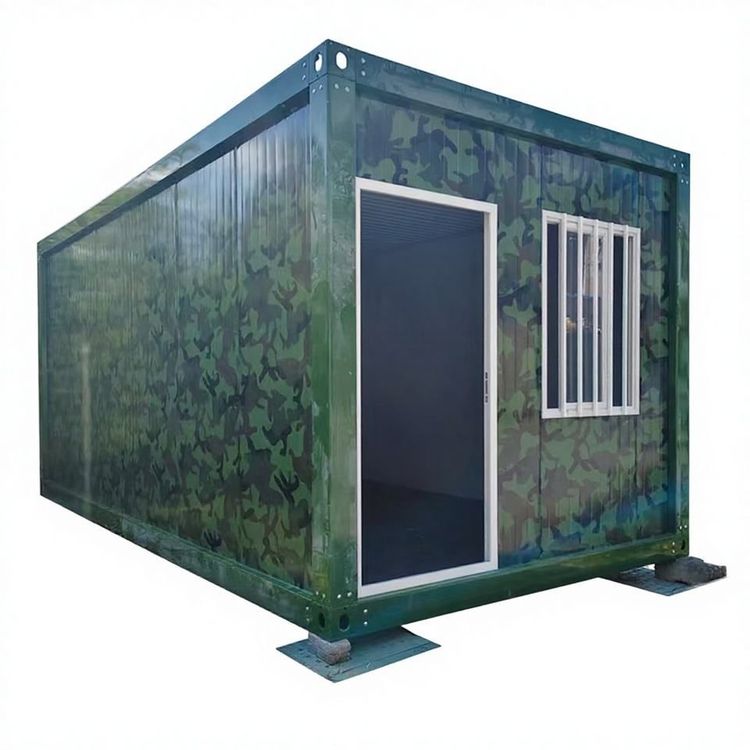
Guantao County Mobile Toilet Installation
For mobile toilet installation in Guantao County, you can contact Guantao Min'an Environmental Protection Facilities Co., Ltd., which provides mobile toilet project contracting and installation services. Here are the detailed points for installing mobile toilets:

I. Installation Location Selection
Before installing a mobile toilet, choose an appropriate location. Prioritize flat ground with good drainage, avoiding low-lying or sloped areas. Low-lying areas are prone to water accumulation, which may cause internal dampness or equipment damage in the toilet; sloped areas may increase the risk of tipping due to unstable center of gravity. If there is a slight slope in the installation area, it needs to be leveled by padding or adjusting the height of the anchor bolts.
II. Fixing Method
To ensure the stability of the mobile toilet, anchor bolts or heavy objects should be used for fixation. Anchor bolts are suitable for hard surfaces such as concrete, firmly connecting the bottom of the toilet to the ground through the bolts; if the ground is soft soil or a temporary site, heavy objects (such as sandbags or stones) can be placed around the bottom of the toilet to prevent tipping due to wind or human collision.
III. Drainage System Connection (for flush-type toilets)
If installing a flush-type mobile toilet, connect the drainage pipe to a septic tank or sewage system. Before connection, confirm that the pipe diameters match and ensure a reasonable pipe slope (usually not less than 1%) to avoid sewage backflow or blockage. If there is no existing sewage system in the installation area, plan the location of the septic tank in advance and reserve a cleaning and maintenance passage.
IV. Ventilation Design
The interior of the mobile toilet should maintain good ventilation, which can be achieved by installing an exhaust fan or opening windows. The exhaust fan should be a low-noise, high-air-volume model, and ensure a stable power supply; if natural ventilation is used, ventilation openings should be provided on the top or side walls of the toilet, and insect screens should be installed to avoid odor retention or mosquito entry.
V. Posting of Usage Instructions
After installation, post usage instructions and precautions in a conspicuous location in the toilet. The content should include equipment operation methods, maintenance cycles, emergency contact information, etc. For example, flush-type toilets should be marked with water-saving tips, and non-flush-type toilets should explain garbage disposal methods to enhance user experience and extend equipment life.