Guantang Mobile Toilet
No direct public information related to 'Guantang Mobile Toilet' has been found at present. The following is a general introduction to mobile toilets from the perspective of common knowledge:

Definition and Classification of Mobile Toilets
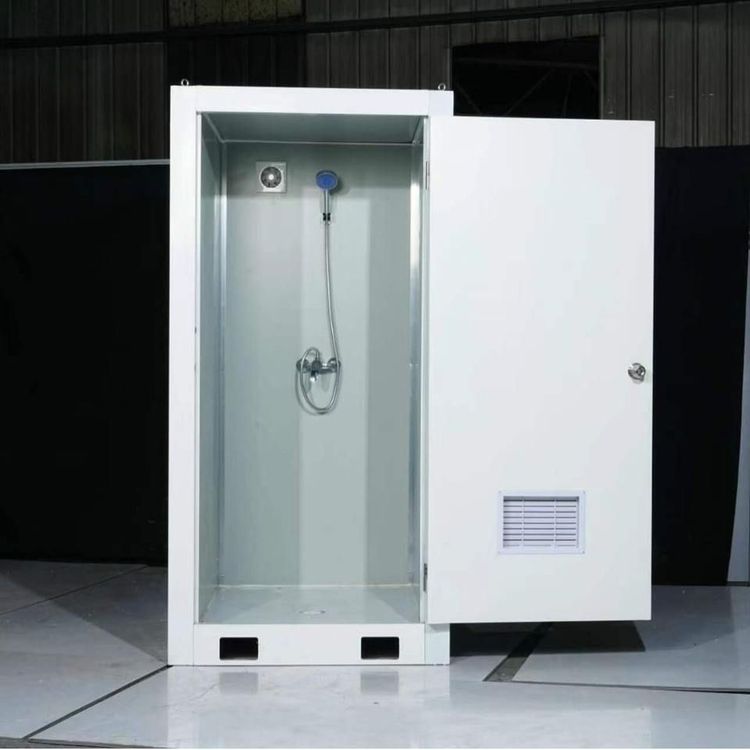
A mobile toilet is a public sanitation facility that can be moved and flexibly arranged. It usually consists of a shell, a toilet fixture, a sewage disposal system, and other parts. Depending on the disposal method, it can be classified into various types such as packing-type, foam-type, microbial degradation-type, and water-flush-type. Packing-type mobile toilets collect excrement using biodegradable plastic bags and do not require water. Foam-type mobile toilets use foaming liquid to cover the surface of the toilet fixture, reducing odors and saving water. Microbial degradation-type mobile toilets decompose excrement through specific microorganisms to achieve harmless treatment. Water-flush-type mobile toilets are similar to traditional toilets but are equipped with a water tank or connected to an external water source for cleaning through water flushing.
Application Scenarios of Mobile Toilets
Due to their flexibility, mobile toilets are widely used in various scenarios. At large outdoor events (such as music festivals and sports events), they can be quickly deployed to meet the toilet needs of a large number of people. On construction sites, they provide temporary sanitation facilities for workers. In tourist attractions, especially in remote or undeveloped areas, they solve the toilet problems for tourists. At the scenes of natural disasters or emergencies, they serve as emergency sanitation facilities to prevent the spread of diseases.
Advantages of Mobile Toilets
Compared with traditional fixed toilets, mobile toilets have significant advantages. Firstly, they are highly flexible and can be moved to different locations as needed to adapt to changes in different scenarios. Secondly, they are easy to install and do not require complex foundation construction, shortening the construction period and reducing costs. Thirdly, they are environmentally friendly and energy-saving. Some types, such as microbial degradation-type and foam-type, can significantly reduce water consumption, and the excrement disposal process is environmentally friendly, reducing pollution to the environment. Fourthly, they have good sanitary conditions. Through sealed design, regular cleaning, and disinfection, they effectively control odors and the spread of germs, improving the user experience.