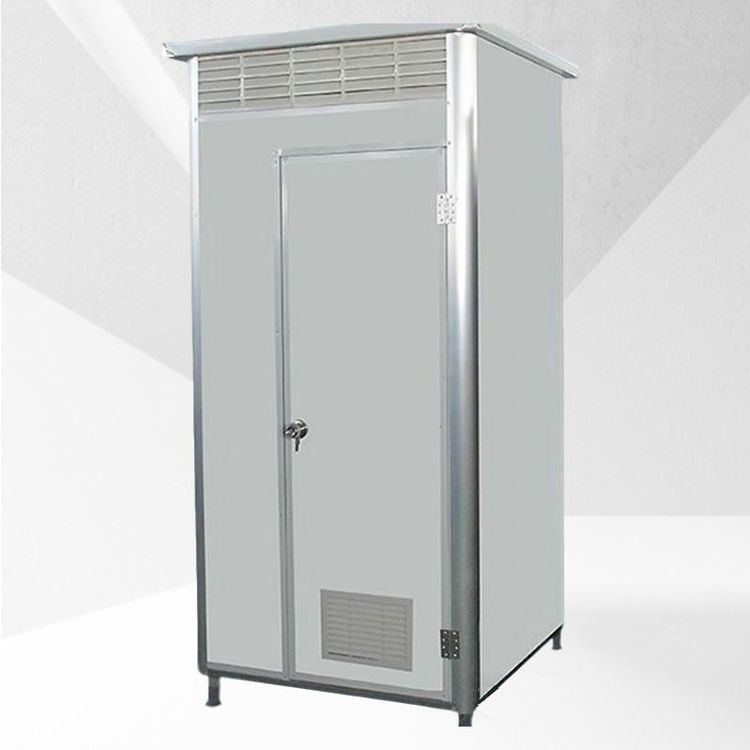
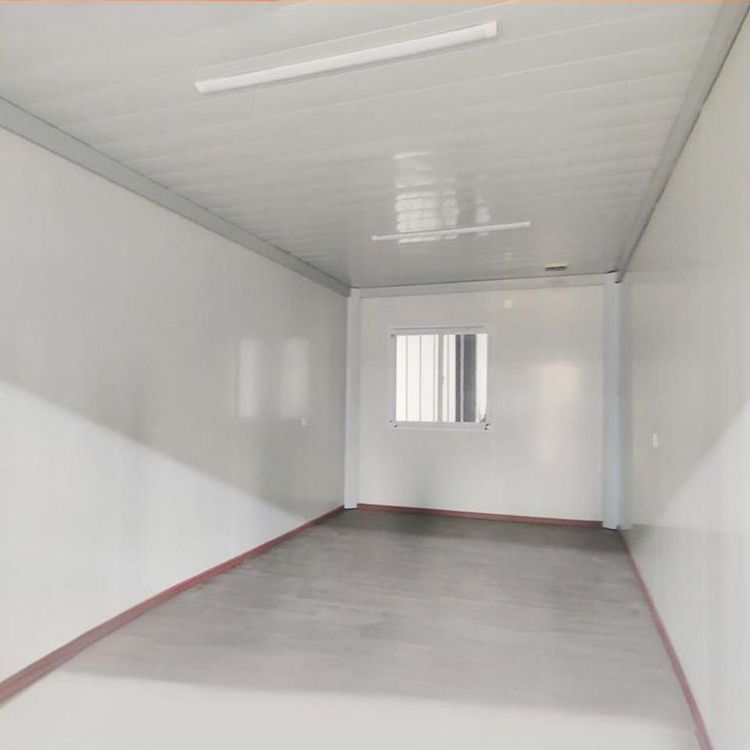
Installation of Mobile Toilets in Guangxi Scenic Areas
The installation of mobile toilets in Guangxi scenic areas should be systematically advanced through four stages: customized planning, installation preparation, installation process, and acceptance and maintenance, taking into account practicality, environmental protection, and landscape harmony.
1. Customized Planning Stage
It is necessary to calculate the shortage of toilet stalls based on the distribution of tourist flows and peak traffic in the scenic area. The ratio of female toilet stalls to male toilet stalls (including urinal stalls) should be no less than 1.5, with priority given to popular attractions. The exterior design should incorporate regional cultural elements, such as Guilin landscapes and northern Guangxi folk houses, using imitation wood and stone materials to ensure harmony with the surrounding landscape. Functional configurations should comply with regulations, including barrier-free toilet stalls, water-saving toilets, hand-washing facilities, hand soap, hand dryers, and fire-extinguishing equipment. In remote areas, solar power supply and microbial degradation sewage treatment technologies can be adopted to reduce reliance on traditional energy sources. For example, the Liuzhou Smart Station public toilet uses an integrated fecal pre-treatment technology, occupying a small area and being movable, suitable for temporary reception scenarios.
2. Installation Preparation Stage
It is necessary to report in advance to the Guilin cultural and tourism and environmental protection departments to confirm that the plan complies with the quality requirements and evaluation standards for tourist toilets, avoiding occupation of core scenic areas, fire exits, and ecological protection zones. Conduct a detailed survey of the installation site, level the ground and inspect underground pipelines. Soft soil foundations require reinforcement to prevent later settlement. If there is no municipal sewage pipeline in the scenic area, stainless steel waterless packaged squatting toilets can be selected, with a sewage-free design suitable for waterless areas.
3. Installation Process Stage
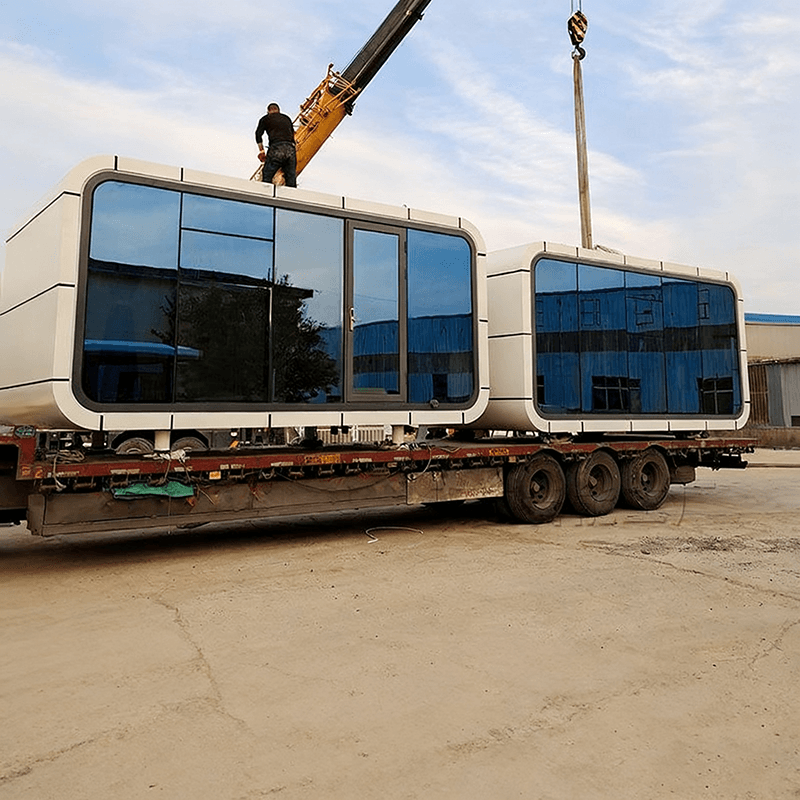
Priority should be given to modular assembly methods to minimize construction disturbance to the scenic environment. Strictly ensure proper sewage and power supply connections and bottom sealing to prevent leakage pollution. For example, environmentally friendly mobile toilets can treat feces through microbial decomposition technology without the need for external sewage pipelines; standard toilets must ensure effective connection of sewage pipes with the municipal system or septic tanks.
4. Acceptance and Maintenance Stage
After installation, comprehensive debugging is required to check whether the toilet stall functions, sewage system, and lighting equipment are normal, ensuring compliance with hygiene standards and safety regulations. Later, cleaning tools should be provided, management responsibilities should be clarified, and regular cleaning and maintenance should be carried out to ensure the toilets are clean, odor-free, and functioning properly. Guangxi mobile toilet services are characterized by mobility, high hygiene standards, and environmental protection and energy efficiency. Standard or environmentally friendly products with sewage treatment functions can be selected according to needs.