
Guangxi Cement Prefabricated House
Guangxi cement prefabricated houses are a form of construction characterized by the on-site assembly of factory-prefabricated components. They offer advantages such as rapid construction and low cost, but have drawbacks like poor earthquake resistance and inadequate sound and heat insulation, making them suitable for non-seismic zones or temporary housing needs.
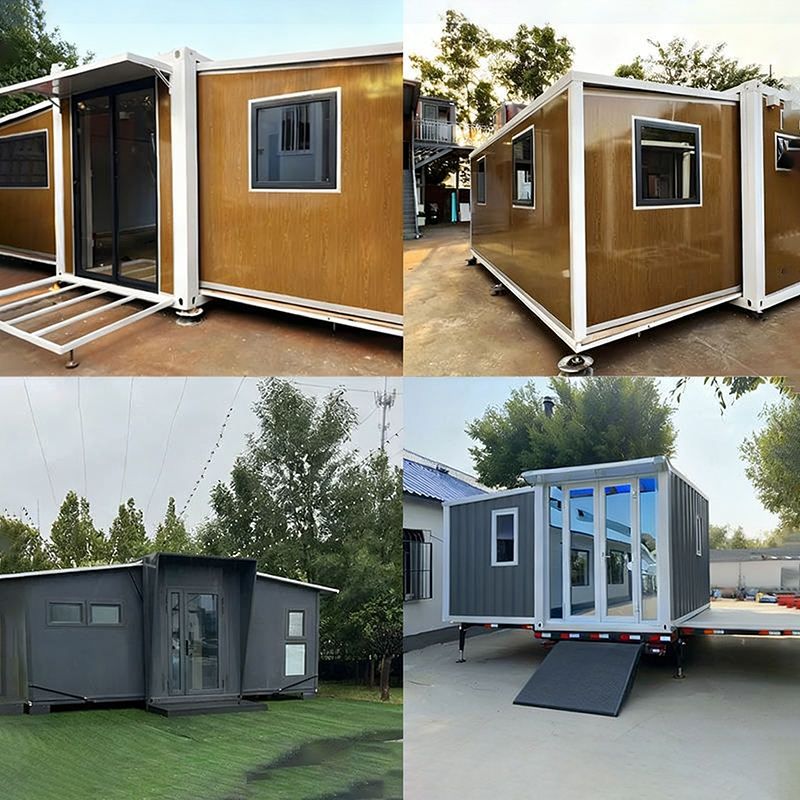
Construction Method and Efficiency
Guangxi cement prefabricated houses are built using factory-prefabricated components that are assembled on-site. Factories produce wall panels, floor slabs, and other components in advance, which are then transported to the site and quickly assembled like building blocks. For example, in Nanning and Fangchenggang, this method has been adopted, allowing the main structure to be assembled in 4 hours and the house to be ready for occupancy in just two or three days. This significantly shortens the traditional construction cycle and is expected to become a mainstream construction trend by 2025.
Cost and Price Advantages
These houses are relatively low-cost, with a price of approximately 300 yuan per square meter. Building a two-story house costs only around a hundred thousand yuan, saving about half the cost compared to traditional brick houses. This advantage makes them competitive in scenarios with limited budgets, especially suitable for rural self-built houses or temporary housing needs.
Structural Performance and Limitations
- Poor Earthquake Resistance: Cement prefabricated houses have weak earthquake resistance and are not suitable for seismic zones, posing safety risks.
- Inadequate Sound and Heat Insulation: The walls have poor sound insulation, making them hot in summer and cold in winter, with sounds from neighboring rooms easily penetrating. The heat insulation performance is also poor, leading to extreme indoor temperatures.
- Joint Seam Issues: The connections between components are prone to water leakage, and long-term use may lead to steel bar corrosion, affecting the lifespan of the house.
- Limited Functional Expansion: The house structure is fixed, making it difficult to meet personalized needs such as smart home installation and garage renovation, and less attractive to young groups like those born in the 1980s and 1990s.
Theoretical Lifespan and Practical Impacts
Theoretically, cement prefabricated houses can have a lifespan of up to 70 years, but the actual lifespan is affected by factors such as construction quality and maintenance. If the assembly process is rough or maintenance is inadequate, it may accelerate the aging of the house and shorten its lifespan.
Supplementary Rental Information
The land of Dalongtan Cement Prefabricated Factory in Long'an County, Nanning City, Guangxi, is available for public rental. The land is classified as comprehensive land, covering an area of 75.27 acres, with a lease term of 10 years and a listing price of 1,100 yuan per acre per year. The lease must comply with requirements from water conservancy and environmental protection departments, with strict prohibition of open-flame operations and changes to the land nature. The rent will increase by 5% starting from the 6th year. This information is unrelated to the performance of the houses themselves but reflects the supporting development of the local cement prefabrication industry.



