Back to blog
Article
Guangrao Mobile Toilet Processing
Admin September 27, 2026
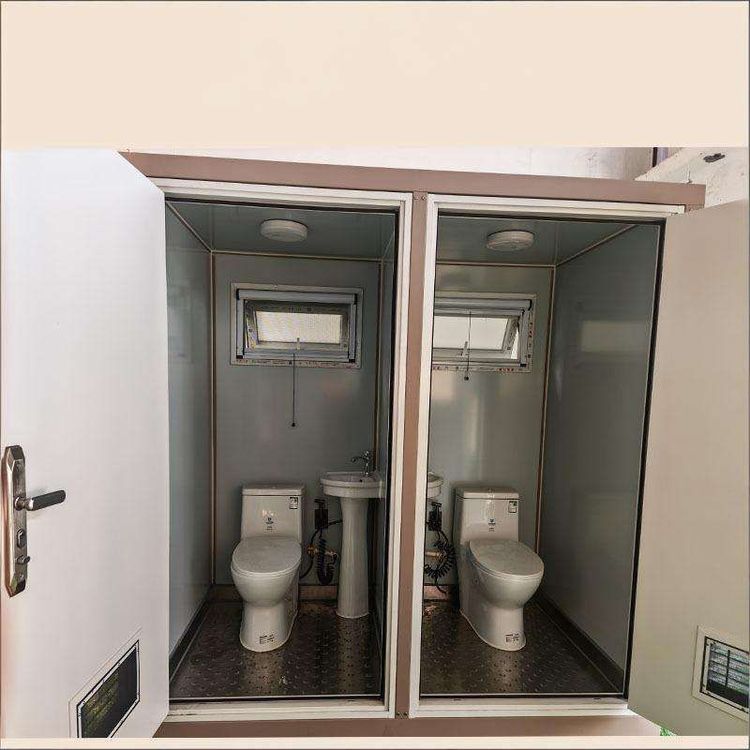
Currently, there is no publicly available information regarding the specific processing of mobile toilets in Guangrao. However, a general introduction to the processing of mobile toilets can be provided:
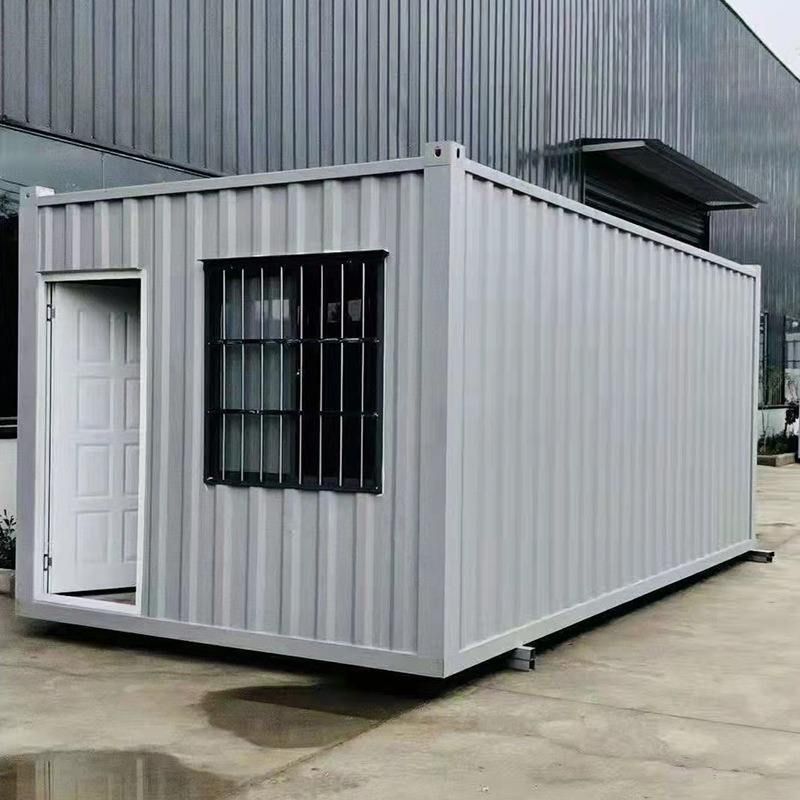
Common Materials Used in Mobile Toilet Processing
- Metal Materials: Stainless steel and aluminum alloy are commonly selected. Stainless steel is corrosion-resistant and has high strength, ensuring that the main structure of the toilet remains unaffected by the external environment during long-term use, thereby extending its service life. Aluminum alloy, on the other hand, is lightweight, facilitating easy movement and installation, and also possesses good corrosion resistance, making it suitable for the frames and some decorative parts of mobile toilets.
- Plastic Materials: Such as polyethylene and polypropylene. These plastics have excellent waterproof and moisture-proof properties, making them suitable for manufacturing toilet partitions and seat rings. Moreover, plastic materials are relatively lightweight and have lower processing costs, contributing to a reduction in the overall cost of mobile toilets.
- Fiberglass Reinforced Plastic (FRP) Materials: FRP is a composite material known for its lightweight, high strength, corrosion resistance, and good insulation properties. In mobile toilet processing, FRP can be used to manufacture the outer shell of the toilet, providing an aesthetically pleasing appearance while effectively protecting the internal structure and facilitating easy cleaning and maintenance.
Main Processing Techniques for Mobile Toilets
- Cutting Techniques: For metal materials, laser cutting or plasma cutting technologies are typically employed to precisely cut metal sheets into the required shapes and sizes, ensuring the accuracy and quality of each component. For plastic and FRP materials, specialized cutting tools are used.
- Welding Techniques: Welding is a crucial step in the processing of metal frames. Common welding methods include TIG welding and CO2 gas shielded welding, which firmly connect various metal components to form a stable structure.
- Assembly Techniques: The processed components are assembled according to design requirements, including the installation of partitions, doors, windows, and sanitary fixtures. During assembly, it is essential to ensure that each component is accurately positioned and securely connected to guarantee the overall stability and functionality of the mobile toilet.