Back to blog
Article
Guanghan Lightweight Container House
Admin September 16, 2026
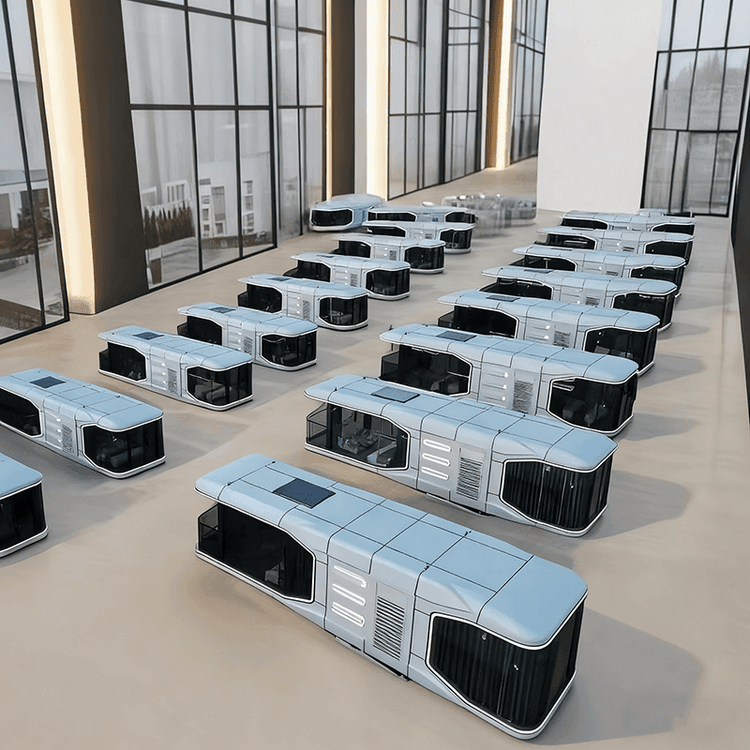
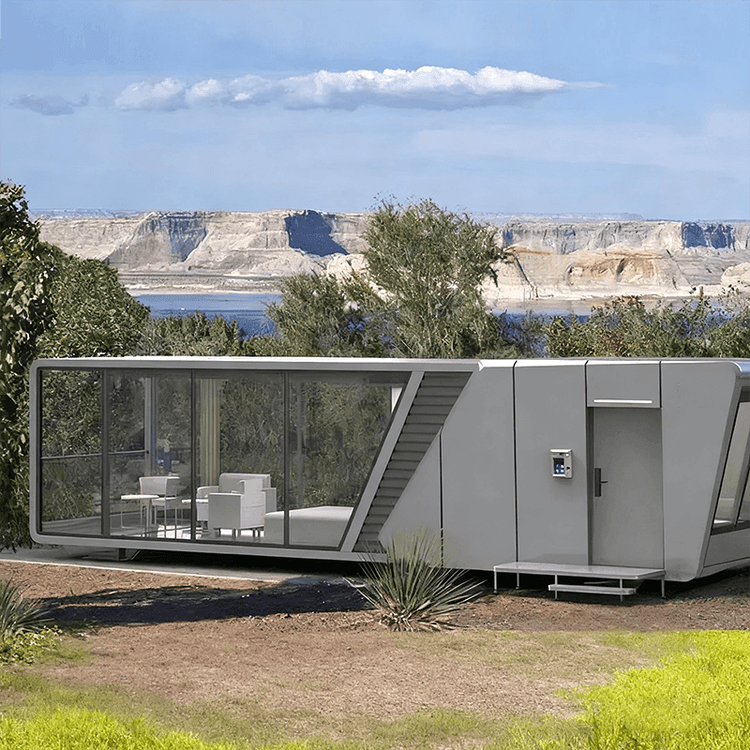
Guanghan lightweight container house is a type of housing that utilizes lightweight materials and modular design, featuring mobility, rapid construction, and adaptability to various scenarios. The following provides an introduction from the aspects of materials, design, application scenarios, and advantages:

Materials and Design
- Lightweight Materials: Traditional container houses often use heavy steel structures, while lightweight container houses gradually adopt new materials such as alloy composite panels and honeycomb composite structures. These materials effectively reduce the self-weight of the cabin while maintaining structural strength and impact resistance, making them more suitable for vehicle transportation, helicopter lifting, and other needs, and reducing the difficulty of transportation and deployment.
- Modular Design: Container houses are derived from the design evolution of freight containers, adopting standard steel structural frames with pressure resistance, wind resistance, and corrosion resistance. Through modular design, rapid assembly and disassembly are achieved, allowing for simple installation like building blocks and significantly shortening the construction cycle.
Application Scenarios
- Rural Cultural Tourism Projects: In rural cultural tourism projects, lightweight container houses serve as modular housing, addressing the pain points of long construction periods and difficult renovations associated with traditional civil engineering. They can function as reception desks, rural cafes, agricultural product sales houses, tourist rest tea rooms, small storage houses, etc. Their appearance and color schemes can be customized to blend with the pastoral style and integrate with the surrounding natural environment.
- Field Operations: Meeting the core needs of rapid deployment and efficient operation and maintenance in modern field operations, such as in the petrochemical, new energy power station, and offshore mining sectors, they can serve as temporary offices, field stations, and emergency housing.
- Other Scenarios: They can also be used as creative studios, homestays, tea rooms, office spaces, etc., without occupying permanent building quotas, offering high flexibility.
Advantages
- Rapid Construction: After prefabrication in the factory, they can be hoisted into place on-site and put into use after connecting to water and electricity, with construction completed in just a few days.
- Mobility: They can be hoisted away as a whole, allowing the land to be restored to its original state without leaving permanent structures.
- Environmental Protection: They are placed on elevated foundation piers, eliminating the need for large-scale land excavation and causing minimal damage to the original landscape.
- Economy: Compared to newly built brick-and-mortar supporting houses, they have lower initial investment and shorter construction periods.
Related