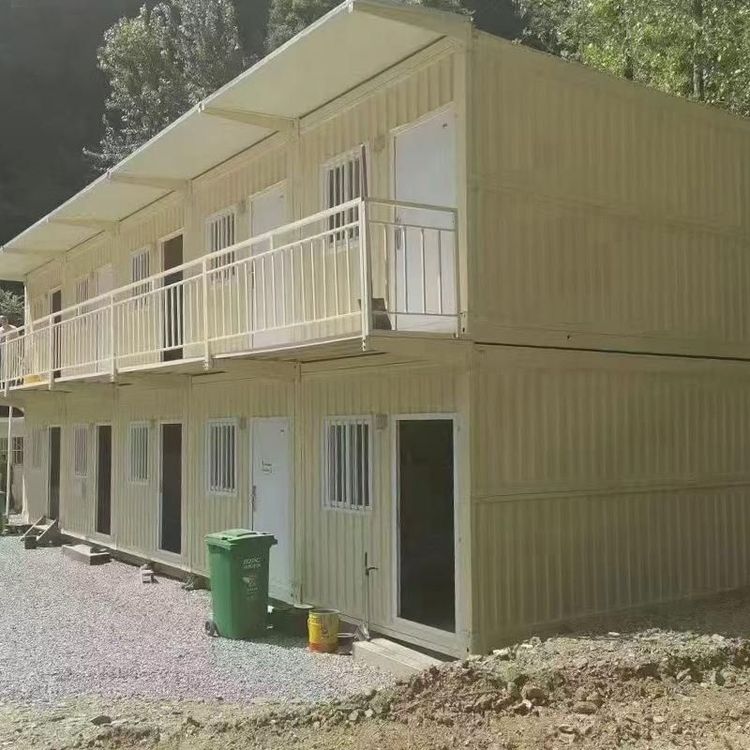
Guangdong Prefabricated Assembly Houses
Guangdong has witnessed rapid development in prefabricated assembly houses, with significant achievements in policy promotion and project implementation.
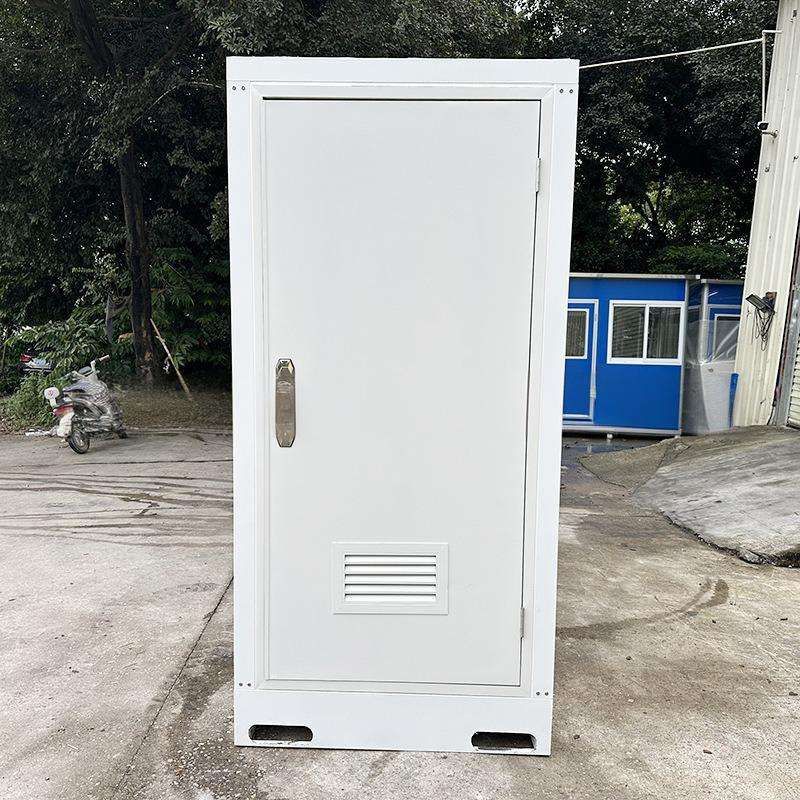
Strong Policy Support: Governments in various regions of Guangdong have actively introduced policies to promote the development of prefabricated assembly houses. Foshan City has set a target for newly built prefabricated buildings to account for more than 50% of the total newly built area by 2030, with government-invested projects reaching over 70%. Yunfu City aims to have prefabricated buildings account for 50% of the newly built area by 2030 and strives to establish at least five prefabricated building industrial bases, creating a new growth pole for a trillion-yuan green building materials cluster. The Guangzhou Housing and Urban-Rural Development Bureau has proposed strict quality control procedures for prefabricated building projects that enjoy floor area ratio incentives, including developers purchasing 'quality latent defect insurance' and 'green building performance insurance', with independent third-party supervision throughout the process, traceable quality for each prefabricated component, and certification requirements for 'green buildings'.
Fruitful Project Implementation: Modular buildings, as a form of prefabricated assembly houses, have numerous applications in Guangdong. For example, a public housing project in Shenzhen, Guangdong, features five residential towers nearly 100 meters high, assembled from 6,028 concrete modules. Compared to traditional construction methods, the completion and delivery time have been reduced from 2.5 to 3 years to just 1 year, with a reduction in on-site labor by approximately 50%. The China Construction Hailong Intelligent Construction Industrial Park, located in Shenzhen, Guangdong, can deliver 20,000 to 30,000 modules annually. The ceilings, walls, and waterproof layers of bathrooms are all manufactured here, utilizing parallel operations, automated vertical warehouses, and intelligent production lines. Compared to traditional construction, the construction period for modular buildings can be shortened by more than 60%.
Clear Advantages but High Requirements: Compared to traditional construction methods, prefabricated assembly houses offer advantages such as shorter construction periods, controllable quality, energy efficiency, environmental protection, and ease of maintenance. Compared to the traditional cast-in-place model, prefabricated buildings can shorten the construction period by more than 30% and reduce construction waste by 70%. However, this model places extremely high demands on the industrial foundation, requiring support from technical systems, production systems, and industrial clusters.