
Guangdong Park Mobile Toilets
Guangdong park mobile toilets feature diversity in design, supply, and product offerings, aiming to enhance user experience and address practical issues.
Practice and Optimization of Tidal Toilets
To address the issue of long queues for female restrooms during holidays in some Guangdong park scenic areas, the concept of "tidal toilets" has been trialed. For example, Huizhou West Lake Scenic Area initially used manually adjustable signs to switch gender areas, but this led to management chaos due to random changes by tourists. Later, fixed slot-type door plates were adopted. In Shenzhen and Dongguan, "gender-neutral universal toilet stalls" were set up, equipped with movable signboards or lockable sliding doors, allowing dynamic adjustment of usage rights based on real-time foot traffic. After implementation in Qinghai Heidushan Scenic Area, the waiting time for women during peak hours was reduced from 30 minutes to less than 10 minutes. Such designs reflect the transition of public toilets from standardized construction to refined management, with the core focus on alleviating supply-demand imbalances through flexible resource allocation.
Pain Points and Solutions for Mobile Toilet Suppliers
In 2026, Guangdong boasts a large number of mobile toilet suppliers, but the industry faces significant challenges:
- Product Homogenization: Most manufacturers lack differentiated designs, making it difficult to meet diverse scenario demands.
- Unstable Quality: Some manufacturers use subpar raw materials and processes, resulting in poor product durability.
- Complex Operation of Smart Models: The design of smart control systems is cumbersome, raising the usage threshold for users.
- Supply Chain and Delivery Issues: Some suppliers have imperfect production systems, leading to long delivery cycles and a lack of supporting services.
- Insufficient Environmental Performance: Some products fail to meet energy-saving and emission-reduction standards, falling short of green development principles.
Professional manufacturers address these challenges through full-chain optimization, such as launching differentiated products (e.g., modular, expandable toilets), selecting high-quality outdoor-specific materials (e.g., corrosion-resistant steel, UV-resistant panels), simplifying smart control solutions (e.g., one-touch operation panels), providing full-process customization services (from design to installation), and establishing strict production and quality inspection systems to ensure environmental performance.
Typical Product Information and Suitable Scenarios
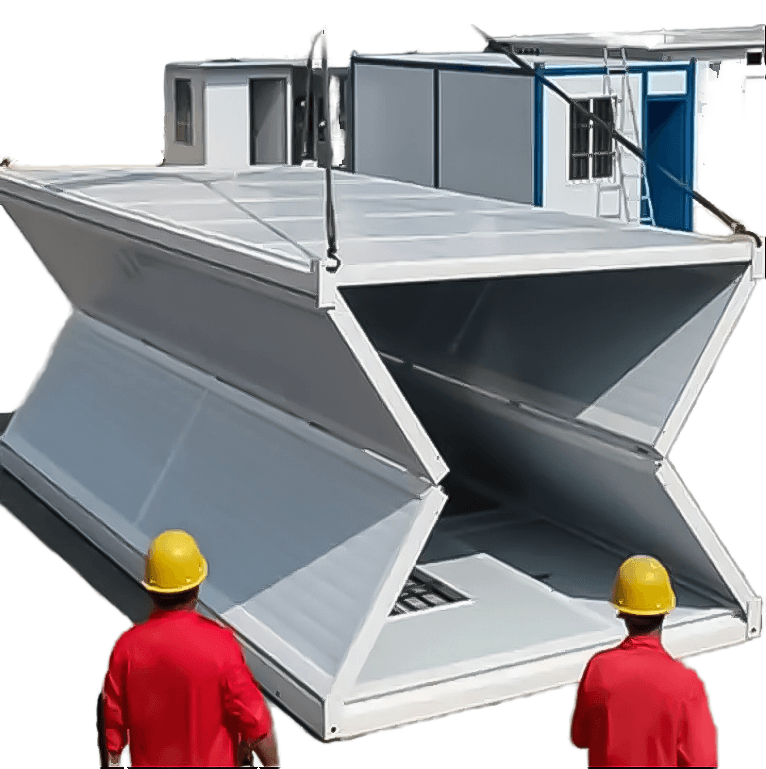
Take the "Xigu Mobile Toilet" from Foshan Xigu Steel Structure Co., Ltd. as an example. It features a frame-type steel structure design, reinforced at the bottom with channel steel or I-beams, with square steel columns. Wall materials can be selected from color-coated steel plates, fiberglass, stainless steel, or metal carved panels, meeting lifting requirements. The product specifications are 1200×1500×2700 millimeters, classified as a container-type mobile toilet, available for sale nationwide with a minimum order quantity price of 2900 yuan. This product is suitable for densely populated areas such as city streets, parks, stations, docks, and tourist attractions. Its modular structure facilitates rapid deployment and relocation, while the color-coated steel plate material combines lightweight properties with corrosion resistance, making it ideal for long-term outdoor use.



