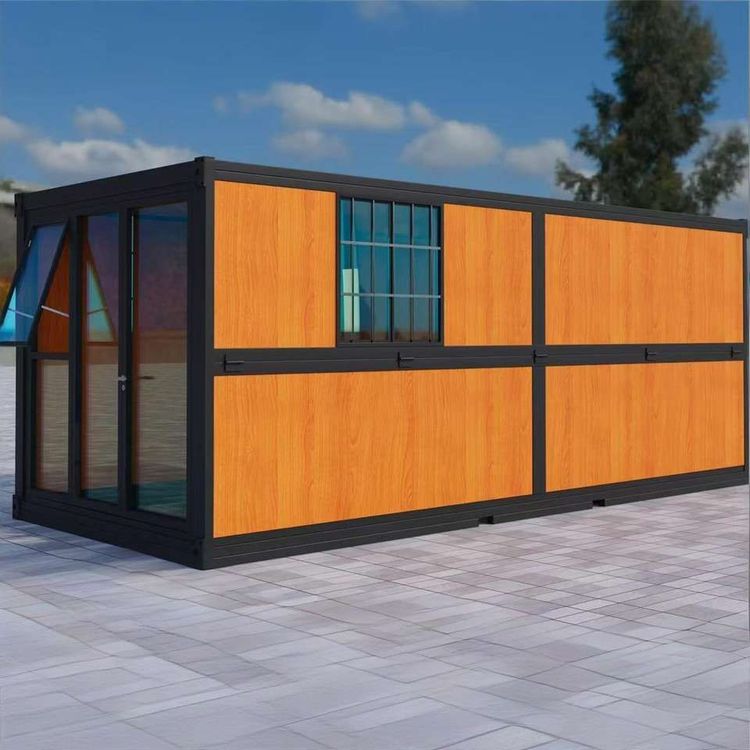
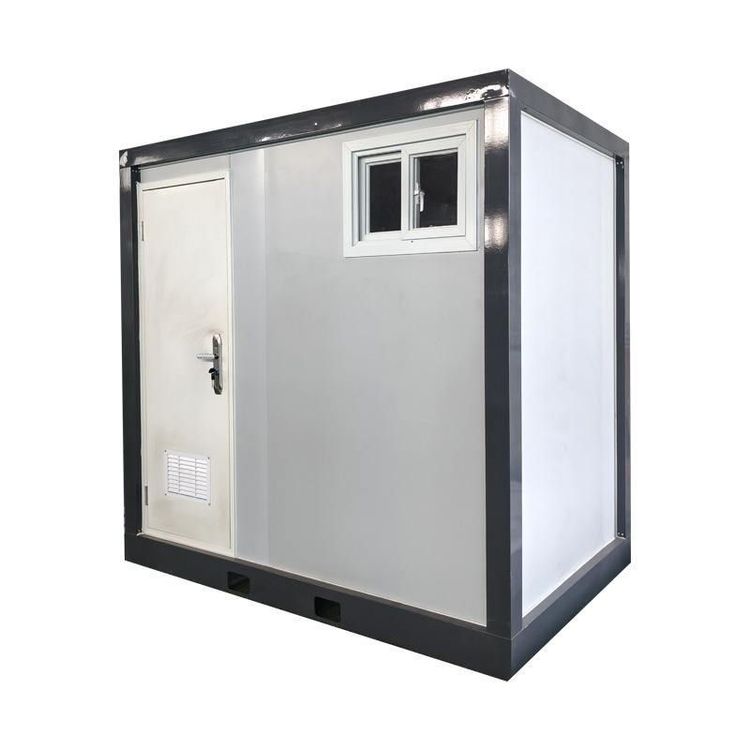
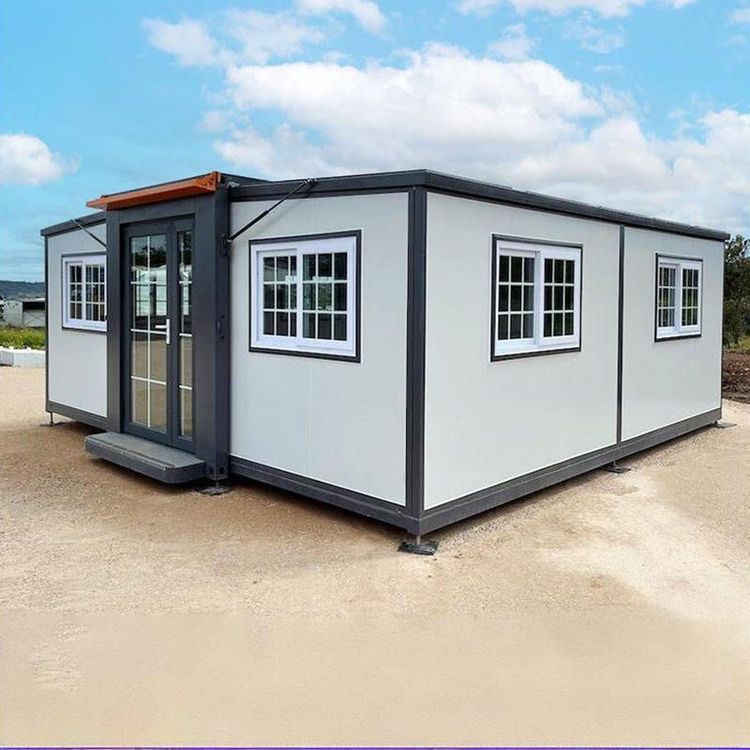
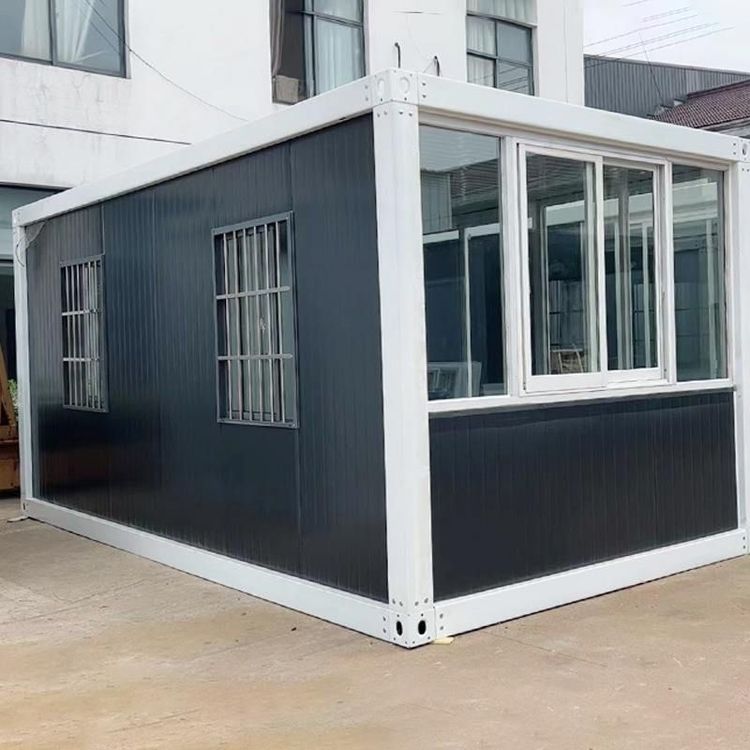
Guangdong New Type Mobile Toilet Design
The design of Guangdong's new type mobile toilet reflects a profound integration of modern craftsmanship, intelligent technology, and humanistic care. Its core features can be summarized into the following four aspects:
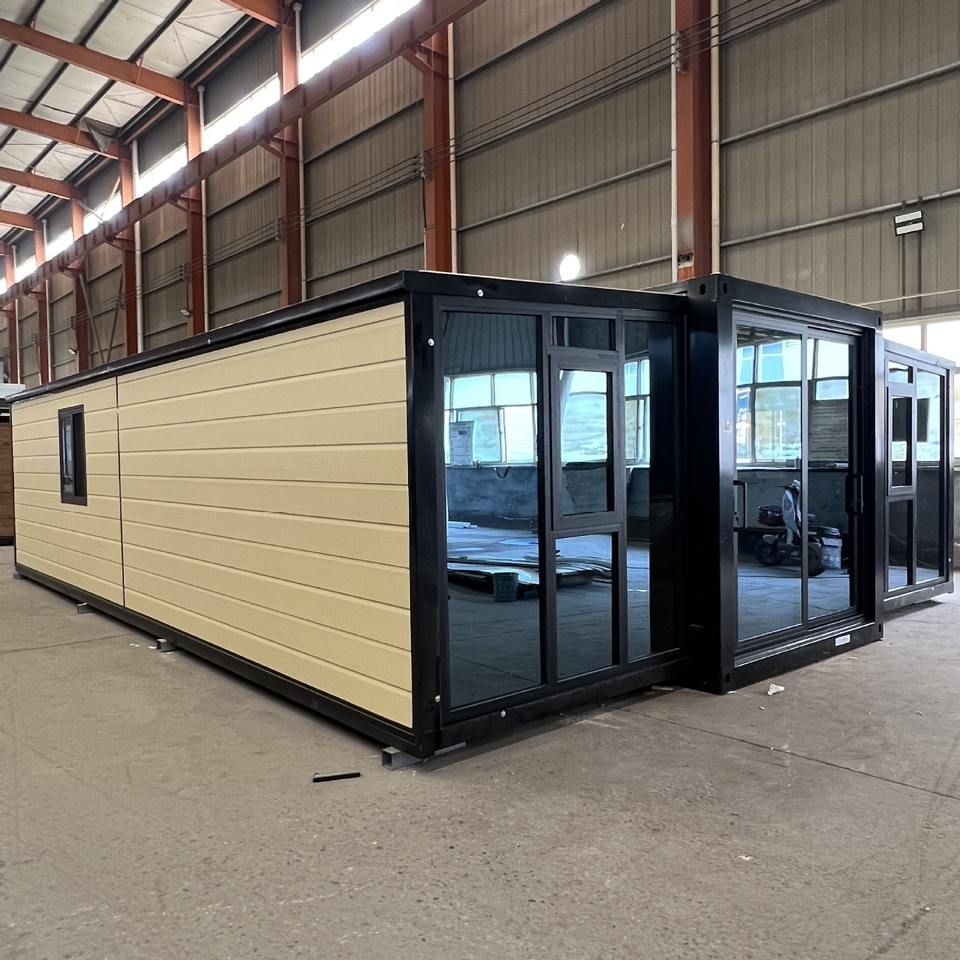
1. Modular Design for Efficient Resource Utilization
This design employs standardized prefabricated modules, enabling rapid transportation and on-site assembly through a Lego-like interlocking method. Each module can be prefabricated in a factory and, upon delivery to the site, can be put into use within 1-2 days at the fastest, supporting quick disassembly and reassembly. This approach not only shortens the construction cycle but also allows for flexible adjustment of the toilet's scale or relocation to other venues based on actual needs, making it particularly suitable for temporary large-scale events (such as concerts, sports meets) or areas with weak infrastructure (such as mountainous rural areas, construction sites), significantly enhancing resource utilization efficiency.
2. Waterproof and Moisture-Proof Technology Ensuring Long-Term Durability
The toilet body is constructed using integral SMC (Sheet Molding Compound) material, featuring a seamless molding technique that creates a smooth inner wall, completely eliminating leakage risks. The floor is paved with anti-slip tiles and designed with a dual drainage system of 'one inlet and two outlets' to ensure rapid drainage and a dry floor. The outer shell structure utilizes a stainless steel frame paired with UV-resistant fiberglass material, enhancing corrosion resistance and extending service life. This combination of technologies effectively addresses complex environments such as humidity and heavy rainfall, reducing long-term maintenance costs.
3. Intelligent and Humanized Features Enhancing User Experience
At the equipment level, it is equipped with touchless facilities such as sensor-based flushing systems and non-contact handwashing stations, reducing the risk of cross-infection. Some models integrate biodegradation treatment technology, using microorganisms to decompose waste and achieve zero sewage discharge; or adopt solar power systems to reduce energy consumption. In terms of spatial design, the interior layout is spacious and includes additional facilities such as baby care rooms and dedicated amenities for the disabled (such as barrier-free access and handrails) to meet the needs of special groups. These designs balance hygiene, environmental protection, and convenience, demonstrating a deep understanding of user needs.
4. Multi-Scenario Adaptability Addressing Infrastructure Gaps
This design breaks free from the fixed limitations of traditional toilets, capable of handling peak人流 (pedestrian flow) at large events while also being flexibly deployable in tourist attractions, remote villages, and other locations. For example, during peak tourist seasons or temporary exhibitions, the number of toilets can be quickly increased; in remote areas, they can serve as supplementary permanent sanitation facilities to solve the problem of 'difficult toilet access'. Its flexibility and universality make it an important solution for optimizing public service spaces.
Through the combination of technological innovation and demand orientation, Guangdong's new type mobile toilet redefines the functional boundaries of mobile toilets, providing a replicable modern solution for the public health sector.