
Guangdong Mobile Toilet Operation
Guangdong mobile toilet operation covers three core areas: service items, operational models, and technological implementations, meeting temporary sanitation needs through modular combinations and customized services.
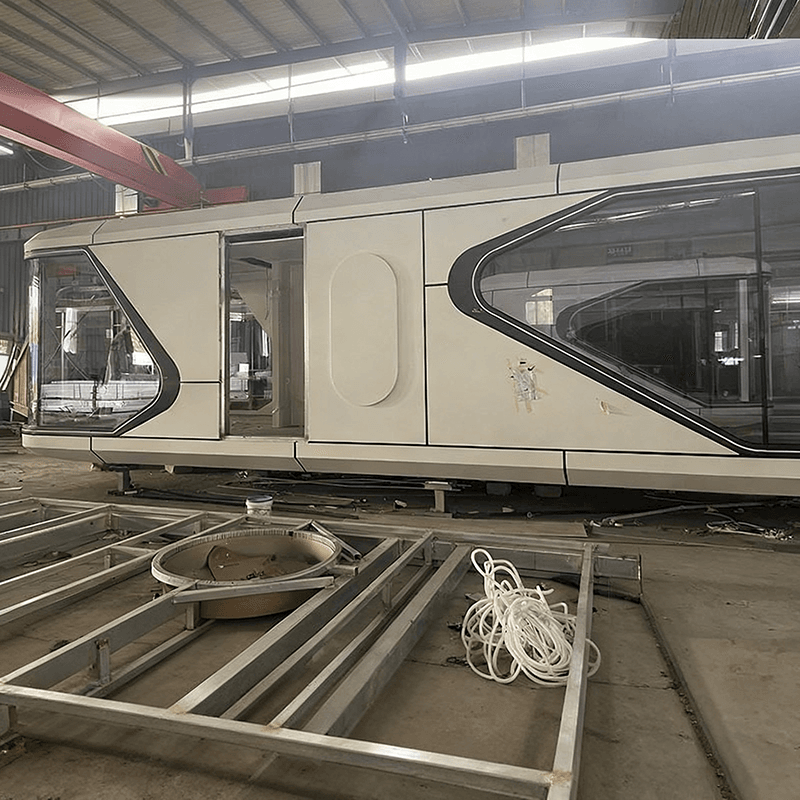
I. Service Items: Meeting Diverse Rental Demands Across Scenarios
Guangdong mobile toilet operation primarily focuses on rental services, covering high-traffic scenarios such as construction sites, sports events, concerts, and tourist attractions. For instance, construction sites require equipment that can be quickly installed and is resistant to wear and tear due to short construction periods; marathons necessitate the placement of mobile toilets based on the race length, typically at a rate of 1-2 units per kilometer; tourist attractions need to consider visitor flow patterns, placing toilets at popular spots and rest areas while ensuring aesthetic harmony with the environment. Rental services are usually charged on a daily basis, with some providers offering "all-inclusive packages" that cover transportation, installation, cleaning, and removal.
II. Operational Model: Modular Combination and Dynamic Maintenance
The operational model of mobile toilets centers on the temporary combination of functional modules. The sanitation unit body is made of polymer materials (such as fiberglass and PE), offering lightweight and corrosion-resistant properties for quick assembly, disassembly, and transportation. The waste treatment system selects technological paths based on scenario requirements: chemical decomposition types use disinfectants and deodorizers to solidify waste, suitable for low-frequency usage scenarios; biodegradation types utilize microorganisms to decompose organic matter, requiring temperature and humidity control to maintain microbial activity; and bagged storage types collect waste in sealed bags, emphasizing physical seal reliability and requiring regular collection and transportation. The supporting service system includes: transportation using specialized vehicles to ensure equipment safety; positioning through GPS or on-site marking to optimize layout; cleaning and maintenance plans based on usage intensity (e.g., cleaning every 2 hours in high-traffic scenarios); and site restoration during removal. Service providers customize plans based on estimated visitor numbers (e.g., 50-80 toilet units for a concert expected to draw 20,000 people), event duration (e.g., a 6-month construction period for a site), and site conditions (e.g., terrain and access to water and electricity).
III. Technological Implementation: Balancing Efficiency and Maintenance
Technological choices directly impact the operational efficiency of mobile toilets. The maintenance cycle of biological enzyme decomposition technology is related to usage intensity (e.g., the number of toilet uses) and ambient temperature (optimal activity range of 20-40°C), requiring increased enzyme dosage in high-temperature environments. Bagged storage technology necessitates regular checks on the integrity of sealed bags to prevent waste leakage, with high timeliness requirements for collection and transportation (usually within 24 hours). Recirculating water flushing technology achieves water reuse through membrane filtration but requires regular filter replacement and water quality monitoring. Service providers monitor equipment status in real-time through sensors (e.g., waste tank levels, air quality) and optimize maintenance plans using big data analysis, such as increasing cleaning frequency before peak periods at concerts.



