
Green Mobile Toilet Website Design
The design of a green mobile toilet website should revolve around environmental protection concepts, technology display, and user experience, with functional module planning referencing the product features of relevant enterprises.
1. Core Functional Module Design
The website should highlight the environmental protection features of green mobile toilets. A 'Technical Principles' section can be established to provide detailed introductions to water-saving technologies such as micro-flush toilets, foam sealing, and vacuum collection. For example, the micro-flush toilet technology developed by Beijing Aibei Space Technology Co., Ltd. optimizes water flow paths to reduce single flush volume to below 0.5L, saving over 80% of water compared to traditional toilets. Foam sealing technology uses foaming agents to cover the toilet bowl, blocking odors and reducing flushing water usage. Such technical descriptions should be accompanied by animations or diagrams to enhance user understanding.
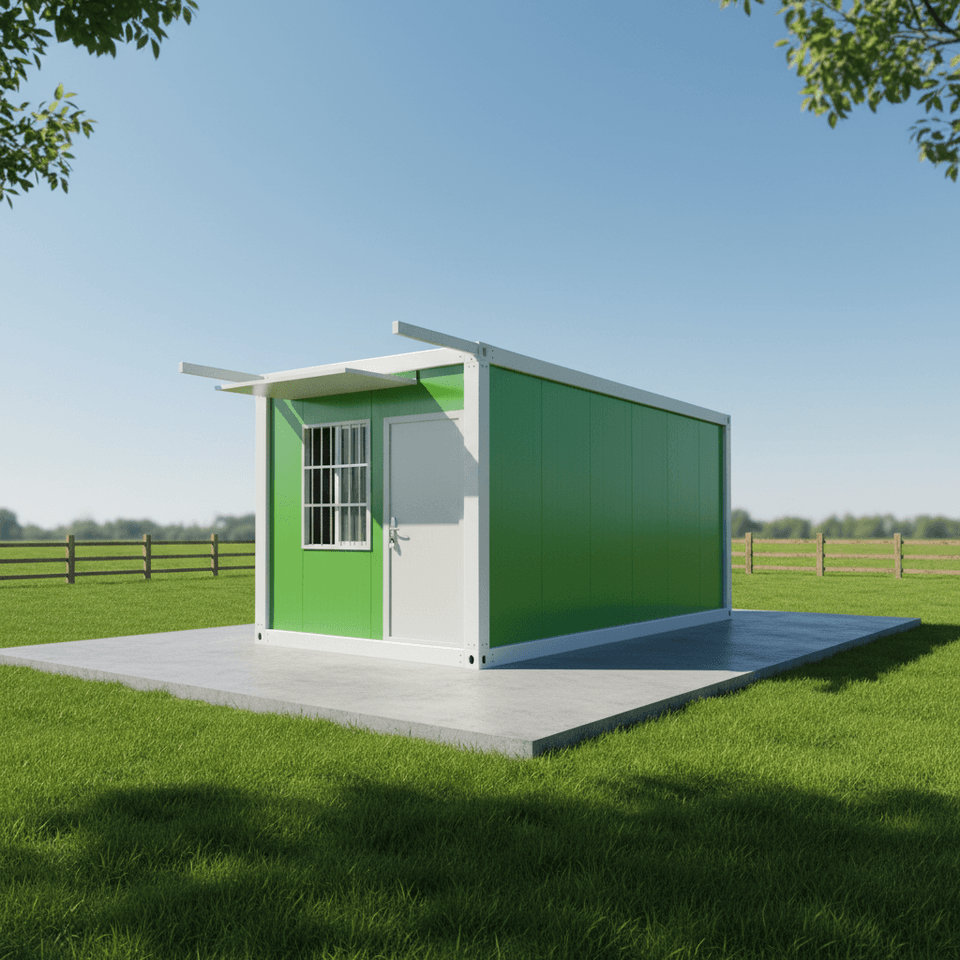
The 'Product Types' section can categorize and display solutions for different scenarios, such as prefabricated toilets for scenic spots and packaged toilets for emergency relief. The prefabricated mobile toilets provided by Cangzhou Hengtai Sanitation Equipment Co., Ltd. support modular combinations, allowing flexible adjustment of toilet stall numbers based on foot traffic. Their customization services can be quickly connected through website forms or online customer service.
2. Visual Presentation of Environmental Value
The website should strengthen its green attributes through data comparisons, such as by incorporating an 'Environmental Benefits' calculator. Users can input usage scenarios, and the system automatically generates quantified results for water savings, electricity savings, or pollution reduction. Drawing on cases of smart ecological public toilets, the website can demonstrate how prefabricated construction reduces construction carbon emissions or how 3D visualization technology optimizes toilet interior layouts to enhance space utilization.
3. User Experience Optimization Design
Mobile compatibility is crucial, ensuring users can quickly access nearby toilet locations, real-time usage status (e.g., available stall counts), and navigation functions. Drawing on smart management systems provided by some enterprises, the website can integrate online service portals for cleaning reservations, fault repairs, etc., improving operational efficiency. Additionally, a 'Case Studies' section can showcase toilet exteriors and interiors through real-life photos or videos, alleviating user concerns about the hygiene conditions of mobile toilets.
4. Technical Cooperation and After-Sales Support
The website should clarify the technical cooperation process, such as how enterprises can customize toilet specifications, materials (e.g., using recyclable plastics or bamboo fiber panels), and energy solutions (solar power or wind power) based on customer needs. The after-sales section should list maintenance cycles, component replacement costs, and a 24-hour customer service response mechanism to enhance user trust.



