
Green Mobile Toilet Design
Green mobile toilet design is reflected in multiple aspects such as energy, water resources, materials, intelligent control, sanitation assurance, modularization, and product utilization.
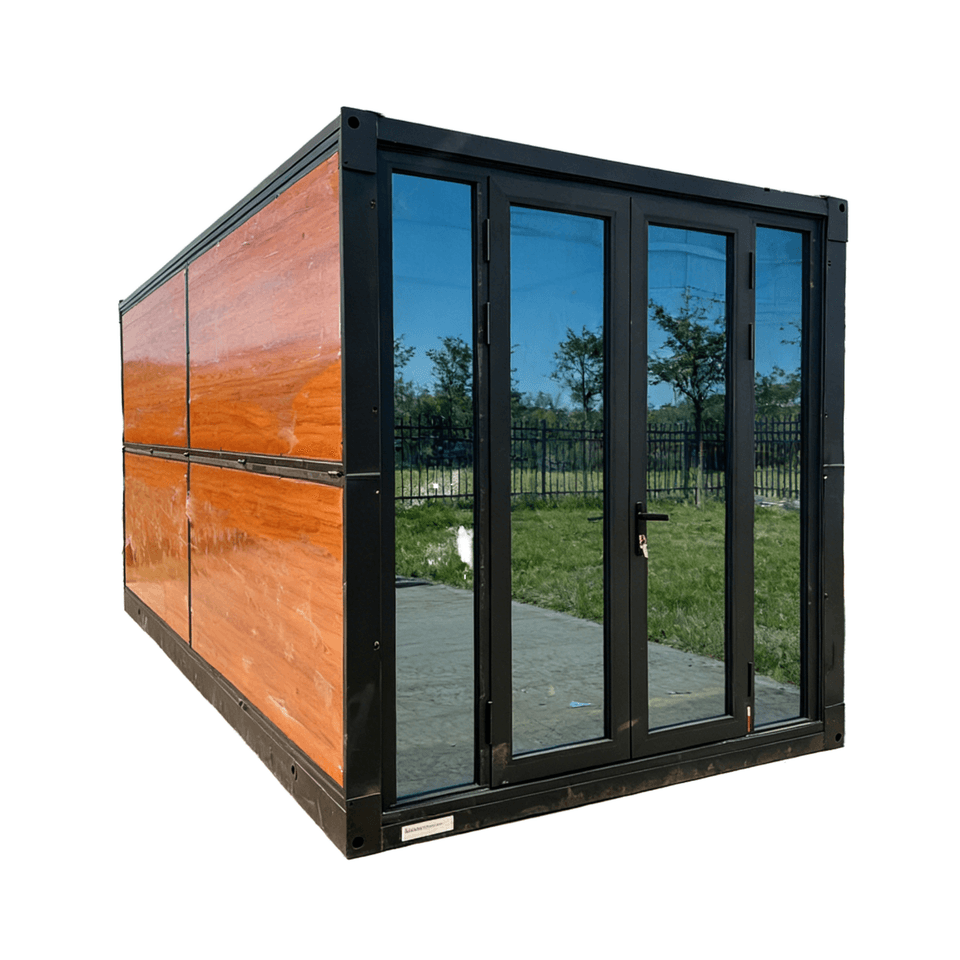
Energy Self-Sufficiency: Integrated design is employed to achieve energy capture and recycling. Flexible photovoltaic panels are installed on the toilet roof to convert solar energy into the electrical energy required for internal lighting and ventilation systems. Some experimental designs incorporate small-scale wind power generation devices, providing auxiliary power through airflow and forming a multi-energy complementary energy supply system.
Water Resource Management: A closed water circulation system is constructed through physical filtration and biological treatment technologies. Phosphorus elements are extracted from urine using struvite precipitation technology, and solid waste enters a high-temperature composting chamber where thermophilic bacteria accelerate decomposition, producing reclaimed water that can be reused for flushing or irrigation. Some designs adopt vacuum suction technology, requiring only 0.3 liters of water per flush; waterless toilets achieve zero water consumption through biodegradation technology, significantly reducing water resource consumption.
Material Selection: Priority is given to low-carbon and environmentally friendly materials over traditional high-energy-consuming materials. New designs utilize bamboo fiber composite materials or recycled plastics, which are lightweight and easy to transport, with a carbon footprint more than 50% lower than that of fiberglass or metal materials. Cutting-edge exploration involves biodegradable polymers, enabling the main structure of the toilet to naturally decompose under specific conditions after its service life, avoiding the generation of construction waste.
Intelligent Control System: Relying on IoT sensors, dynamic optimization management is achieved. The system continuously monitors usage frequency, energy storage status, and water tank capacity, automatically adjusting ventilation rates, lighting intensity, and flushing frequency. For example, ventilation is increased during peak usage periods, and an energy-saving mode is activated during idle times to ensure a balance between sanitation standards and energy consumption control.
Sanitation Assurance Technology: Focus is placed on non-contact design and air quality control. The inner surface of ventilation ducts is coated with titanium dioxide, which decomposes odor molecules and pathogenic microorganisms through ultraviolet photocatalytic oxidation technology; the surface of the toilet bowl adopts a hydrophobic nano-coating to reduce dirt adhesion and lower the frequency of chemical cleaning agent use, ensuring the sanitation and safety of the usage environment.
Modular Design: Energy, water treatment, and main functions are divided into independent units, supporting on-demand combination and upgrades. For example, areas with abundant sunshine can enhance photovoltaic configurations, while areas with scarce water resources can expand water circulation units. The modular structure facilitates individual replacement and maintenance, extending the overall system's service life and reducing operation and maintenance costs.



