
Greece Portable Toilet
There is currently limited publicly available information on portable toilets in Greece, but their application can be inferred by combining the general characteristics of portable toilets with the tourism scenarios in Greece.
Applicable Scenarios of Portable Toilets and Tourism Demand in Greece
Portable toilets are typically suitable for stations, docks, tourist attractions, densely populated public places, etc. Their core advantages lie in flexible deployment, rapid installation, and mobility. As a major tourist destination, Greece, with popular spots like Santorini, experiences a large influx of tourists, especially during the peak tourist season. Traditional public toilets may face sanitation issues due to insufficient capacity or delayed maintenance. For example, descriptions have mentioned a "foul odor" in local public toilets, which can affect the tourist experience. Portable toilets can serve as supplementary facilities, temporarily installed in areas with high tourist concentrations (such as observation decks, pedestrian streets, beaches, etc.) to alleviate toilet pressure and improve sanitation conditions through regular cleaning and maintenance.
Possible Types and Characteristics of Portable Toilets in Greece
Based on the classification of portable toilets, Greece may adopt the following types:
- Single Portable Toilet: Such as "portable toilet", commonly used in outdoor activities or temporary venues, with a simple structure, low cost, and suitable for short-term use.
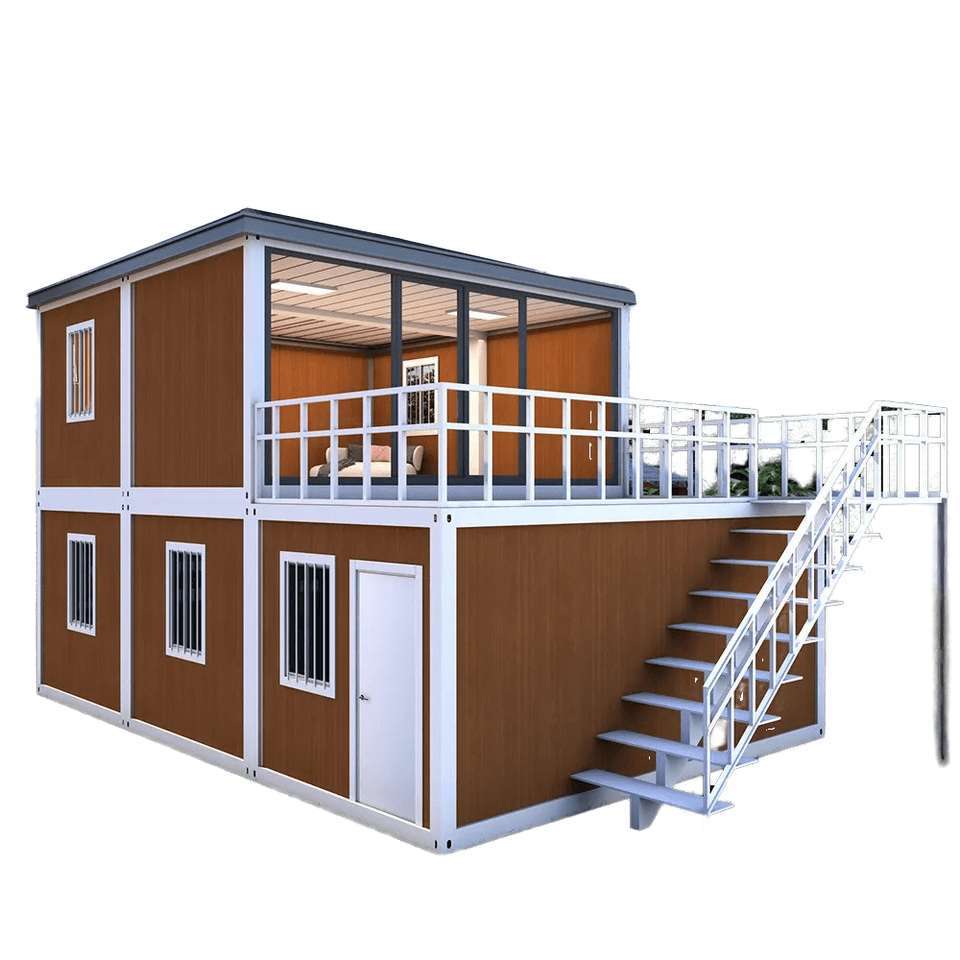
- Modular Combined Toilet: Composed of multiple independent units spliced together, it can be expanded in scale according to demand and is suitable for areas with a large number of tourists.
- Eco-Friendly Toilet: Utilizing biodegradation or recirculating water technology to reduce water consumption and odors, aligning with Greece's emphasis on environmental protection and sustainable development.
English Translations and Terminology Usage
In Greek literature or signage, portable toilets may be expressed using the following English terms:
- Portable toilet: The most general translation, emphasizing portability.
- Mobile restroom: Focusing on "mobile restrooms", suitable for formal scenarios.
- Temporary sanitation unit: Emphasizing temporary sanitation facilities, commonly seen in engineering or disaster emergency scenarios.
- Relocatable toilet cabin: Referring to a relocatable toilet cabin, suitable for long-term but flexible location adjustment scenarios.
Challenges in Practical Application
Although portable toilets can alleviate toilet difficulties, their application in Greece may face the following challenges:
- Maintenance and Management: Regular cleaning and replenishment of consumables (such as toilet paper, disinfectant) are required; otherwise, sanitation issues similar to those of traditional public toilets may recur.
- Cultural Adaptability: Some tourists may have concerns about the privacy or comfort of portable toilets, necessitating design optimizations (such as adding partitions, ventilation systems) to enhance acceptability.
- Seasonal Demand Fluctuations: More facilities are needed during the peak tourist season, while they may remain idle during the off-season, requiring reasonable planning of deployment cycles.
Conclusion: Although specific information on portable toilets in Greece is not clear, considering the tourism scenario demand, portable toilets can serve as a supplement to traditional public toilets, enhancing the tourist experience through flexible deployment and scientific management. For further information in the future, one can follow the public reports of the Greek tourism department or municipal engineering projects.



