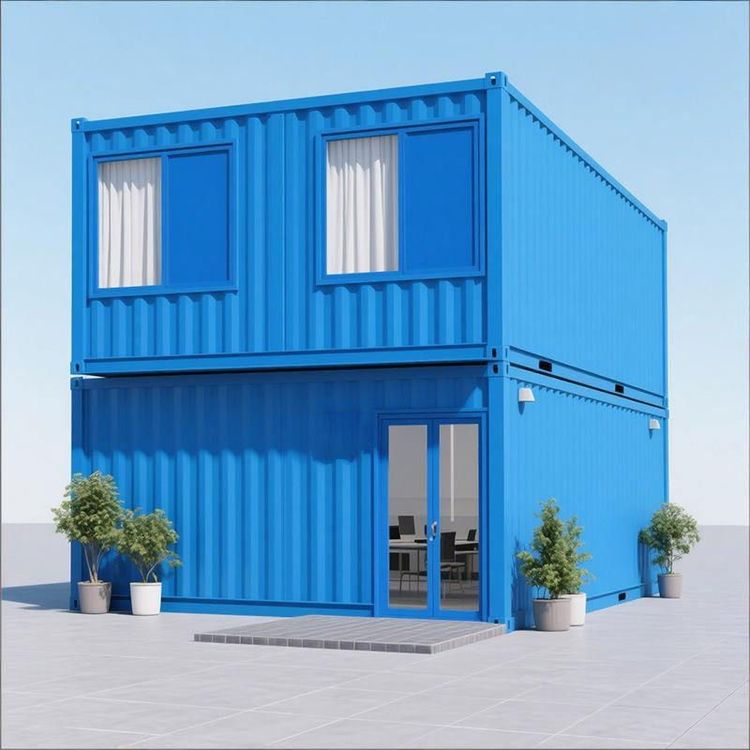
Gongyi Mobile Toilet Construction Plan
The construction plan for mobile toilets in Gongyi should be designed in combination with specific scenarios and local regulations, with the following key points:

I. Construction Scope and Positioning
The usage scenarios of mobile toilets (such as scenic spots, construction sites, or transportation hubs) should be clarified, and configurations should be adjusted according to functional requirements. For example, toilets in scenic spots can be equipped with additional母婴 stalls, barrier-free access, and deodorization devices; toilets at construction sites need reinforced anti-collision structures and oil-resistant materials; and toilets at transportation hubs should optimize pedestrian flow lines to reduce queuing times. If there are special requirements in the Gongyi area (such as winter freeze protection or summer moisture resistance), materials and processes should be selected accordingly.
II. Construction Process and Standards
- Site Selection and Foundation: Prioritize areas with dry terrain and good drainage, ensuring that the groundwater level is at least 1.5 meters below the bottom of the toilet pit to avoid seepage issues. Use a total station to measure ground flatness, with an error tolerance of ±5mm to prevent structural tilting. Before construction, detect underground pipelines (such as gas and electricity) to avoid conflicts.
- Main Structure: Adopt a modular design, with the main body assembled from steel structures or composite panels. During transportation, it can be disassembled into components for rapid on-site assembly. If a brick-and-mortar structure is used, it is recommended to use 18-wall or 12-wall masonry, with a red brick-to-cement ratio of 3:1 to ensure structural stability.
- Sanitary Treatment System: A three-chamber treatment method is recommended for the septic tank, with the first chamber for fermentation for 60 days, the second chamber for sedimentation for 30 days, and the third chamber for direct use as fertilizer. For construction site toilets used by an average of 100 people per day, each chamber should have a volume of no less than 2 cubic meters; scenic spot toilets can be equipped with biological degradation devices to reduce odors.
III. Quality and Safety Requirements
- Quality Objectives: The main structure should have a wind resistance rating of ≥8, pass waterproof tests without leakage, maintain construction noise levels ≤60 decibels, and ensure 100% classified disposal of construction waste.
- Safety Objectives: Zero casualties during construction and no risk of tipping after commissioning. Anti-slip floors, emergency call devices, and night lighting should be installed, and structural connectors should be regularly inspected.
IV. Environmental Protection and Energy-Saving Measures
Priority should be given to using flush-free toilets, rainwater collection systems, or solar power to reduce reliance on municipal pipelines. In arid areas, flush-free composting toilets can be selected, combined with wood chip coverage for zero emissions; scenic spot toilets can be equipped with air purification devices to reduce ammonia levels.
V. Construction Period and Resource Allocation
Conventional projects should be completed from mobilization to delivery within 72 hours, with a dedicated team including a project manager, technical leader, construction foreman, safety officer, and logistics personnel. If there is soft soil or a high groundwater level in the Gongyi area, ground reinforcement (such as sand and gravel replacement or piling) should be carried out in advance, extending the construction period accordingly.
VI. Adaptation to Local Regulations
Reference should be made to the Unified Standard for Construction Quality Acceptance of Building Installation Engineering (GB50300-2013) and the special management regulations of the Gongyi Environmental Protection and Urban Management Departments to ensure compliance with the plan. For example, if local regulations require mobile toilets to meet Class I emission standards, filtration devices should be installed or the septic tank should be regularly cleaned and transported.