
Glue Portable Toilet
Currently, there is no specific product type called 'glue portable toilet'. The installation and use of conventional portable toilets typically do not rely on glue as the primary fixing or connecting material.
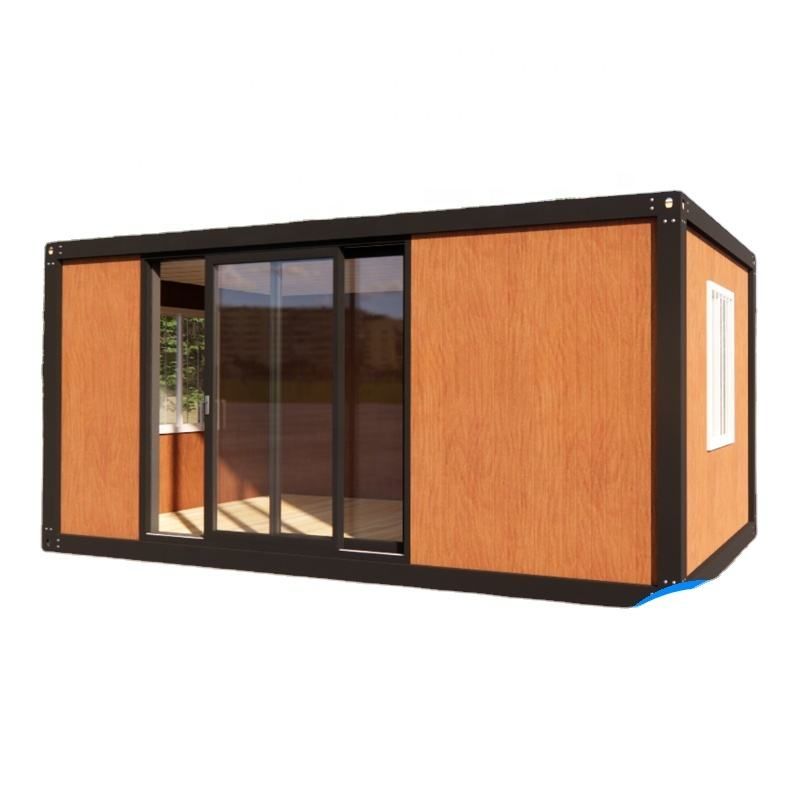
Structure and Installation Methods of Conventional Portable Toilets
The main structure of portable toilets usually employs metal frames (such as aluminum alloy or galvanized steel pipes), with wall materials including color-coated steel sheets, fiberglass, and stainless steel sheets. These materials are fixed through mechanical methods such as welding, bolting, or riveting to form a stable structural system. For example, color-coated steel sheet walls are connected to metal frames using bolts, while fiberglass materials may be assembled with frames after being molded into one piece, all without using glue as the primary fixing means. This design not only ensures structural stability but also facilitates disassembly and transportation, meeting the core requirement of portability for portable toilets.
Auxiliary Application of Sealants in Portable Toilets
Although glue is not the primary connecting material for portable toilets, some sealants may be used for auxiliary sealing in specific scenarios. For example:
- Toilet and Floor Interface: If a portable toilet is equipped with an independent toilet, neutral silicone sealants or 3M 540 polyurethane adhesive (known as 'toilet sealing structural adhesives') may be used to fill the gaps between the toilet base and the floor, preventing water leakage or odor diffusion. However, such adhesives are only used for local sealing, not for overall structural fixation.
- Wall Joint Treatment: The joints between color-coated steel sheets or fiberglass walls may be filled with sealants to address minor gaps, enhancing wind and water resistance, but they do not bear structural loads.
Cases of Damage Caused by Glue Abuse
It should be noted that glue has been maliciously used to damage portable toilets. For instance, in one case, a simple portable toilet was deliberately coated with glue, causing the door locks, flushing mechanisms, and other components to become stuck and fail to function properly. Such behavior is abnormal and unrelated to the design of portable toilets, instead highlighting the potential harm glue can cause to precision mechanical structures.
Conclusion
The design of portable toilets primarily relies on mechanical fixation, with glue playing only an auxiliary role in local sealing, not serving as a core material. When selecting or maintaining portable toilets, attention should be focused on key indicators such as frame material, wall durability, and drainage systems, rather than the use of glue.



