
Glass Requirements for Installing a Movable Sunroom
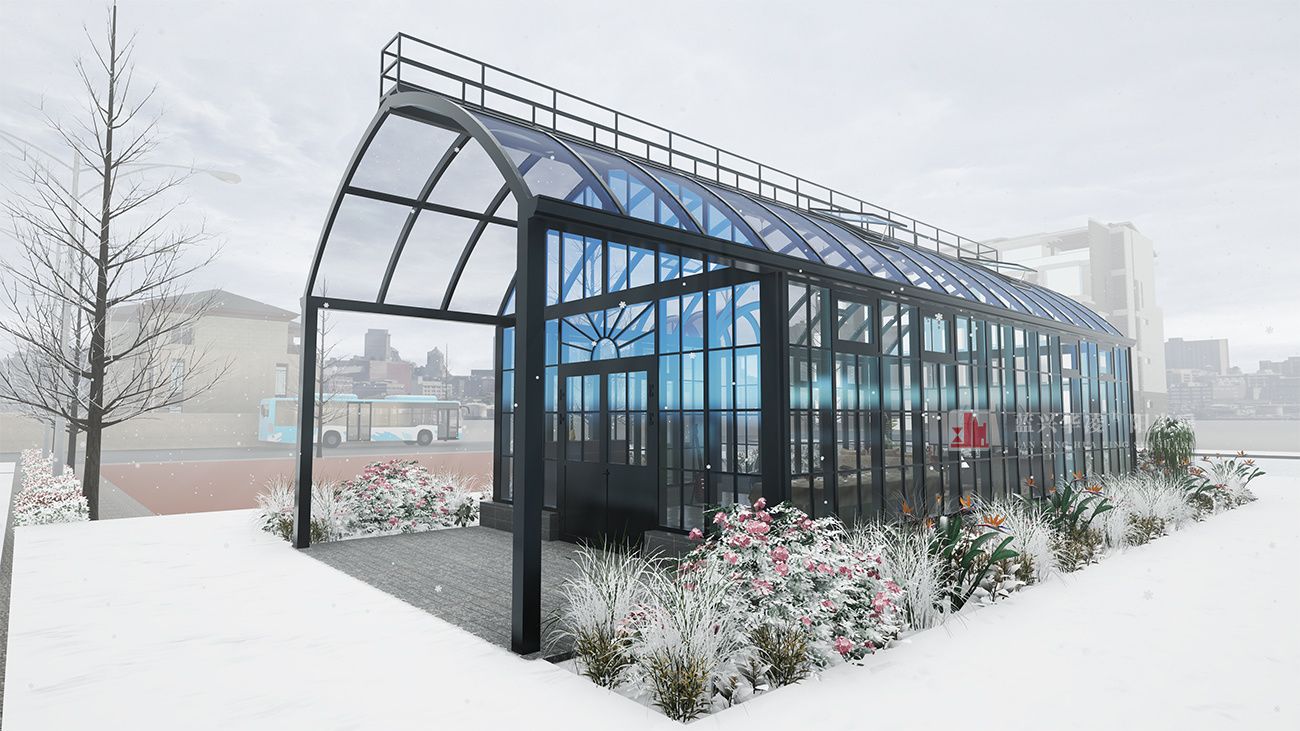
Terraces are the home's closest link to nature. Enclosing them expands indoor area, improves daylight, and shelters from wind and rain—but fixed sunrooms bring compliance and comfort challenges. New movable sunrooms address both.
Glass Requirements for Movable Sunrooms
I. Energy efficiency
Sealed air cavities transfer heat slowly. High-quality sunroom products typically use double insulating glass for better thermal performance than single pane—reducing HVAC load in summer and winter.
II. Safety
Tempered glass offers 5–10× impact resistance versus ordinary glass—standard for reputable sunroom manufacturers.
III. Aesthetics
East-facing sunrooms may use heat-absorbing coated glass; other orientations often use clear white glass. Absorbing glass reduces UV and indoor heat gain with stronger decorative color options.
Movable vs. Traditional Sunrooms
Movable sunrooms improve on fixed designs with flexible usability. The original goal: outdoor activity regardless of weather. Electric sliding rails in aluminum frames divide panels into modules that slide freely—adjust coverage by need or weather. Closed: expanded indoor space and weather protection. Open: panoramic connection to nature. During property inspections, opening the unit helps avoid unauthorized-structure concerns without affecting neighbors' light.
Traditional enclosed sunrooms trap heat in summer and cold in winter. Movable sunrooms use low-conductivity polycarbonate with strong insulation and weather resistance—maintaining comfortable temperatures and better user experience.
Beyond flexibility, new movable sunrooms differ fundamentally from legacy fixed glass boxes.



