Glass House Mobile Toilet
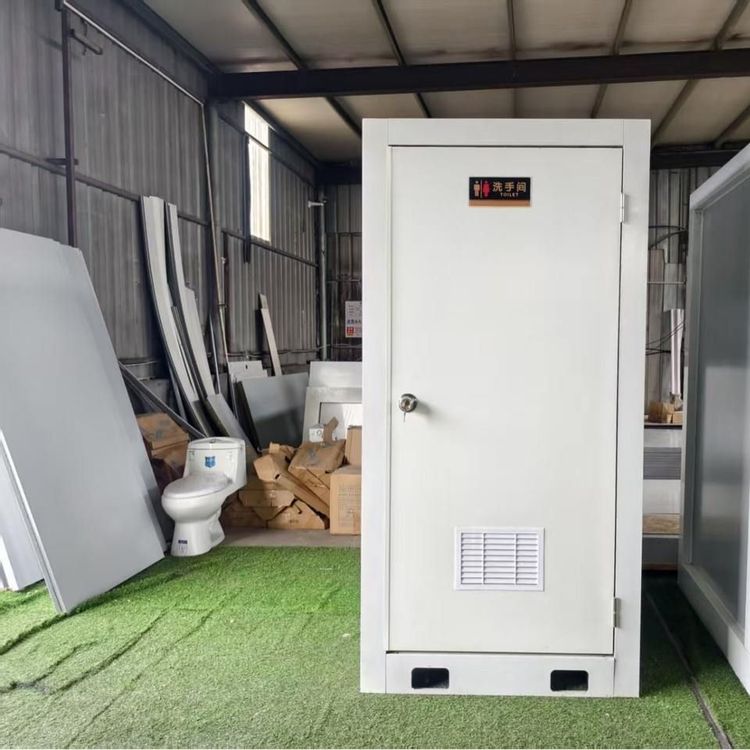
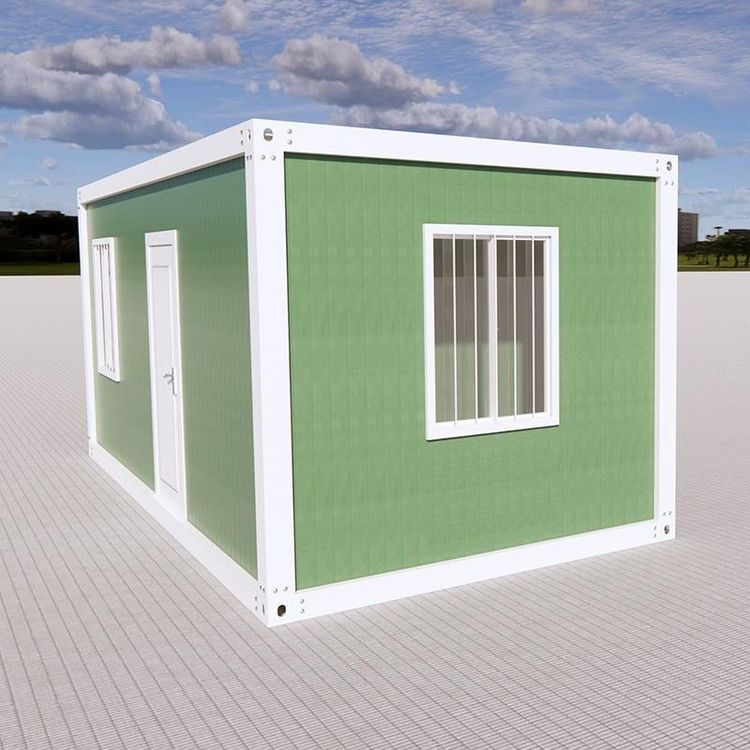
A glass house mobile toilet generally refers to a facility that combines the structure of a glass house with the functions of a mobile toilet, but some cases involve illegal construction and pose safety hazards.

Glass House Mobile Toilets in Illegal Construction Cases
To meet their own needs, some residents have illegally built two aluminum alloy glass sunrooms on the rooftop terrace and set up a mobile toilet in violation of regulations. Such glass house mobile toilets have multiple issues. From a safety perspective, they are located close to the edge of the terrace, presenting an obvious risk of falling. In the event of natural disasters such as strong winds or earthquakes, or due to structural aging or human collisions, the glass house mobile toilet and its internal facilities may fall from the terrace, causing serious damage to pedestrians, vehicles, and surrounding buildings below. In terms of compliance, none of the constructed facilities have obtained any construction planning approval, making them illegal constructions. This behavior violates relevant urban planning management laws and regulations, disrupts the overall urban planning and building order, and may face penalties such as orders for demolition and fines.
Glass House Mobile Toilets in Conventional Designs
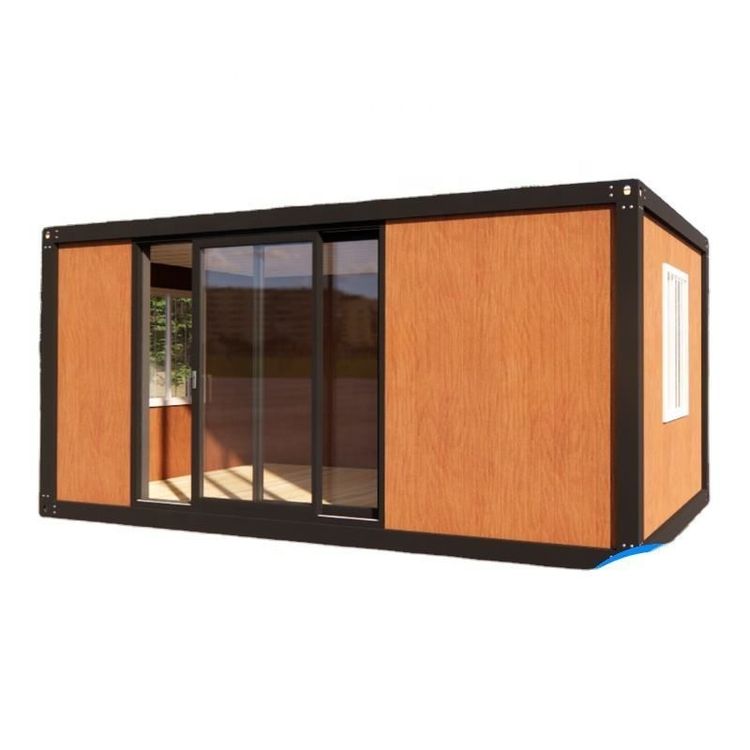
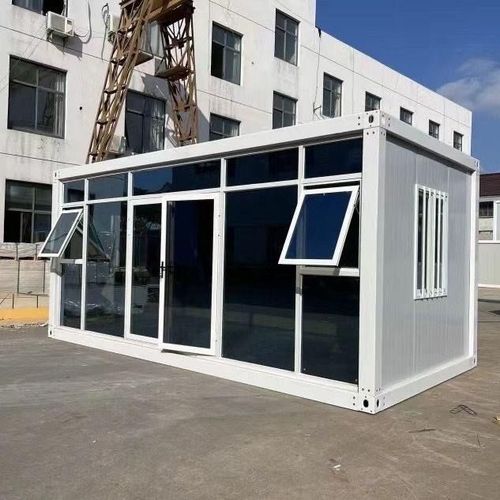
Conventional mobile toilets also adopt glass house structures in their designs. In terms of appearance, they use a gray and white color scheme, giving a simple and clean impression. They feature sliding windows for light and ventilation at the front, ensuring good lighting and ventilation inside the mobile toilet, reducing odors and dampness, and enhancing user comfort. Additionally, they have gray aluminum alloy outward-opening doors. Aluminum alloy has advantages such as high strength and corrosion resistance, ensuring the durability of the doors and extending the service life of the mobile toilet. Such conventionally designed glass house mobile toilets are usually constructed and used in compliance with laws and regulations, meeting the toilet needs of public places or specific areas and providing convenience for people.