
Back to blog
Article
German Container Mobile House
Admin September 14, 2026
German container mobile houses are modular, movable prefabricated buildings that combine the sturdiness of containers with the flexibility of mobile houses. They are widely used in various scenarios such as residential, commercial, and cultural tourism.
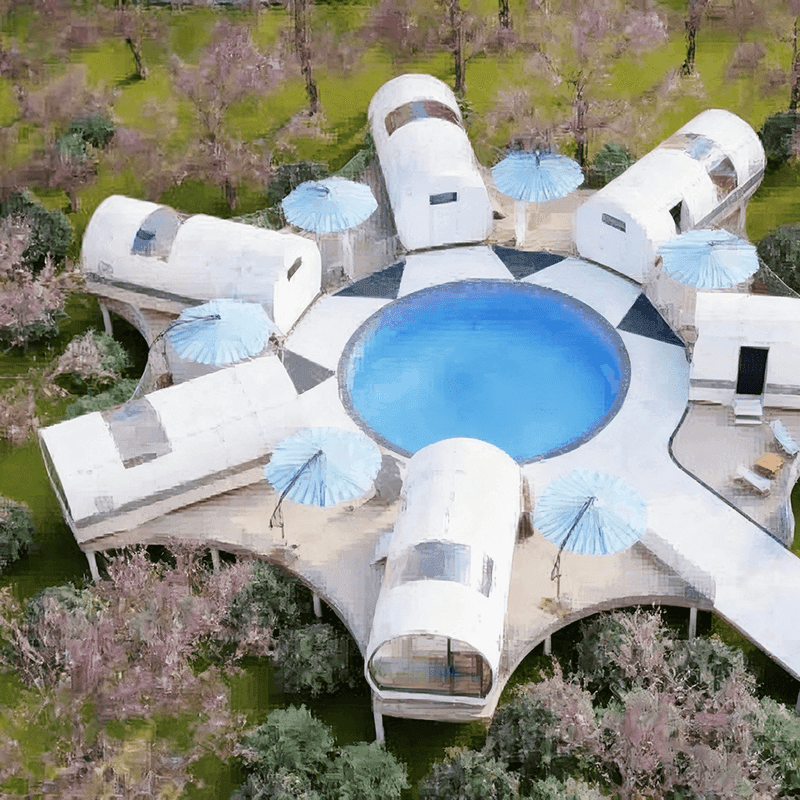
1. Types and Characteristics There are various types of container mobile houses in the German market, including standard container houses, expandable modular houses, and luxury mobile residences. Their core characteristics are as follows:
- Modular Design: Standardized container units are used, supporting rapid assembly and disassembly to adapt to different spatial requirements. For example, 20-foot or 40-foot containers can be used individually or combined to form multi-room residences.
- Movability: The houses are equipped with wheels or trailer structures at the bottom, facilitating transportation and relocation, especially suitable for temporary residences, construction site dormitories, or cultural tourism projects.
- Structural Stability: The main frame is made of steel, providing resistance to typhoons, earthquakes, heat insulation, and sound insulation, with a long service life. Some products have passed Class A fire safety certification, ensuring high safety.
- Customizable Flexibility: They support personalized exterior designs (such as curved roofs, glass curtain walls) and internal functional modifications (such as independent bathrooms, air conditioning and floor heating), meeting the needs of high-end homestays or commercial purposes.
2. Application Scenarios
- Residential Field: Used as temporary housing, vacation homes, or low-cost residences, particularly favored by young people and retirees. For example, Apple Warehouse mobile houses, with their panoramic floor-to-ceiling windows, blend with natural landscapes and have become a popular choice for rural homestays.
- Commercial Use: Used for mobile shops, kiosks, offices, etc., supporting rapid deployment and scenario switching.
- Emergency Support: In disaster relief or municipal resettlement, they serve as temporary medical stations or command centers.
- Cultural Tourism Industry: Combined with scenic spots, orchards, etc., they create unique accommodation experiences, such as independent residences in mountainous areas.
3. Industry Trends
- Low-carbon Circulation: Supporting multiple disassembly and reuse, the amount of construction waste generated is reduced by about 90% compared to traditional buildings, in line with Germany's green construction policies.
- Technological Upgrades: Integrated with solar power supply and sewage treatment systems, they achieve energy self-sufficiency and environmentally friendly emissions.
- Market Expansion: With growing overseas demand, Chinese manufacturers have obtained cross-border compliance certifications and exported their products to European markets such as Germany.



