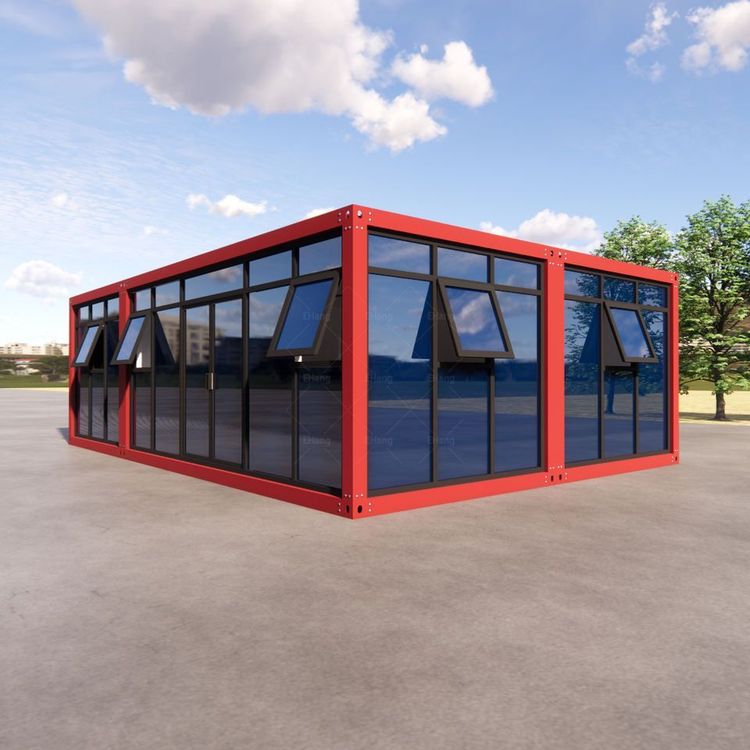
Gender-Specific Mobile Toilets in Quanzhou, Fujian
In Quanzhou, Fujian, the allocation of gender-specific mobile toilets should be determined based on the scale of the event, the volume of foot traffic, and industry standards, as detailed below:

I. Allocation Ratios and Quantity Basis
The allocation of mobile toilets should be adjusted according to the actual usage scenario. For example, in a rural fruit-picking event with 2,000 participants, it is recommended to deploy 8-10 mobile toilets, with a gender-specific ratio of approximately 1:1.5 for toilet stalls. This ratio is set based on the characteristics that women generally take longer to use the toilet and have higher demand during peak hours, effectively reducing queuing times. If the event is predominantly male-oriented (such as a sports event), the ratio can be adjusted to 1:1 or 1.5:1, but actual demand should be evaluated in advance.
Industry standards further specify that at least 3 mobile toilets should be allocated for every 500 people. For instance, a 2,000-person event would require at least 12 toilet stalls (2,000 ÷ 500 × 3), but actual allocation should be flexibly adjusted based on factors such as site layout and usage periods. If the event lasts a long time or involves a wide age range of participants (including the elderly and children), it is advisable to increase the number of toilet stalls appropriately.
II. Strategies for Peak Hours
During peak hours (such as the start of the event or one hour before the end), foot traffic is concentrated, necessitating the addition of extra toilet stalls. For example, a 2,000-person event could temporarily deploy 2-4 additional mobile toilets during peak hours or alleviate pressure by reallocating existing stalls (such as temporarily converting some male stalls for female use). Additionally, dedicated personnel should be arranged to maintain order and guide the flow of people to avoid localized congestion.
III. Other Influencing Factors
- Site Conditions: If the event site is dispersed (such as a large park), toilet stalls should be allocated by region to ensure that the coverage radius in each area does not exceed 100 meters.
- Duration of Use: If the event lasts more than 4 hours, consider increasing the frequency of cleaning or deploying upgraded mobile toilets with sinks and septic tanks to improve hygiene conditions.
- Special Needs: For individuals with disabilities and mothers with infants, separate accessible toilet stalls or nursing rooms should be provided, with a recommended proportion of no less than 5% of the total toilet stalls.
IV. Industry Standard References
According to the Design Standard for Urban Public Toilets (CJJ 14-2016), the allocation of mobile toilets should adhere to the principles of "sufficient quantity, reasonable distribution, and effective management." In Quanzhou, local conditions can be taken into account, and more precise allocation plans can be formulated by conducting advance research on participant characteristics and simulating peak traffic flows, with reference to the above cases and industry standards.