
Gender-Combined Toilet Mobility
Gender-combined toilets can achieve flexible adjustment and mobile deployment through three methods: mobile toilet rental, unisex toilet design, and tidal toilet technology.
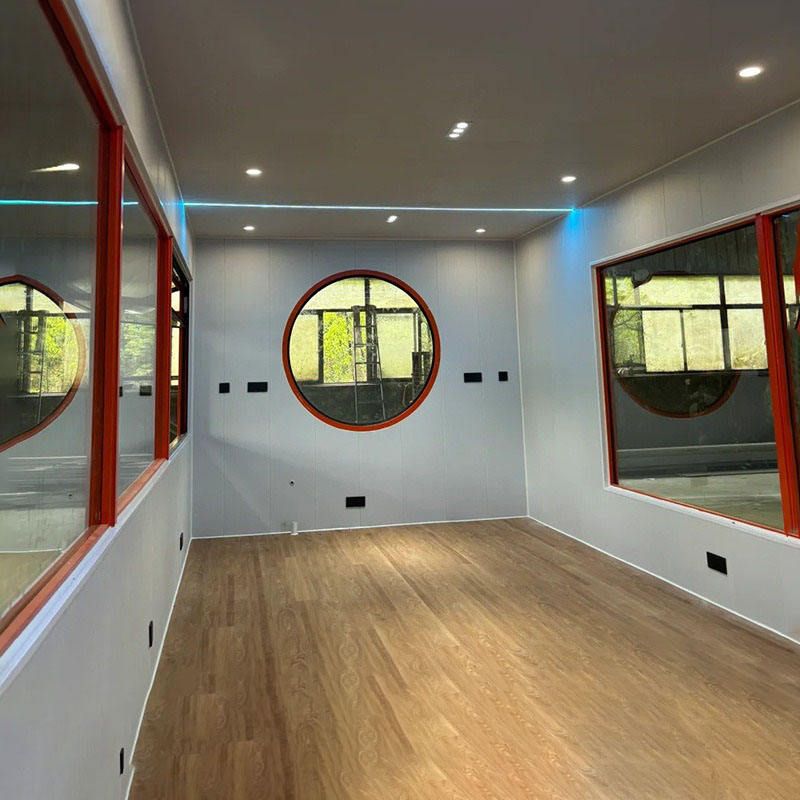
I. Mobile Toilet Rental Services
Portable mobile toilets are a core solution for addressing temporary or short-term needs. These toilets are typically designed for both genders, featuring independent single-room structures equipped with built-in flush toilets and wastewater tanks (e.g., the camping restroom provided by Beijing Shunxi Yijie Technology Co., Ltd., with a wastewater tank capacity of 400 liters). They can be rapidly deployed in scenic spots, event venues, and other settings. Rental prices vary based on configuration, with basic models starting at approximately 360 yuan per unit, suitable for short-term use. Their advantages include no need for fixed infrastructure, convenient transportation and installation, and standardized design to ensure privacy and hygiene.
II. Unisex Toilets (Gender-Neutral Restrooms)
The Ministry of Culture and Tourism has issued notices explicitly encouraging the construction of unisex toilets to address the imbalance between toilet supply and demand during peak tourist seasons. These facilities achieve functional compatibility through single-room independent design or multi-person independent partitions, allowing users to freely choose restrooms without gender distinction. For example, some scenic spots adopt a full single-room layout, with each toilet equipped with an independent door lock and ventilation system, ensuring privacy while improving space utilization. Their core values include:
- Dynamic balancing of toilet resources: By eliminating fixed gender partitions, they alleviate long queues for female toilets;
- Cost savings in construction: Reducing space waste caused by gender ratio disparities;
- Promoting gender equality: Providing convenience for transgender individuals and groups requiring assisted restroom use (e.g., parents with children of the opposite gender).
III. Tidal Toilet Technology
For scenarios with significant fluctuations in visitor traffic, tidal toilets achieve dynamic switching of toilet functions through physical modifications. Their principles include:
- Movable partition design: Installing sliding partitions between male and female restrooms, allowing adjustments to partition positions during peak periods to expand the number of toilets for one gender;
- Smart sign replacement system: Combining sensors to monitor queue conditions and automatically changing toilet signage (e.g., temporarily converting some male toilets to female toilets).
Practices at Huizhou West Lake in Guangdong Province demonstrate that tidal toilets can reduce female restroom queue times from 30 minutes to under 10 minutes, significantly improving operational efficiency. Such designs require supporting smart management systems to monitor toilet usage in real-time and optimize scheduling.



