
Back to blog
Article
Garden Mobile Toilet Construction
Admin September 20, 2026
The construction of garden mobile toilets mainly includes two parts: preparatory work before installation and the main installation process, as detailed below:
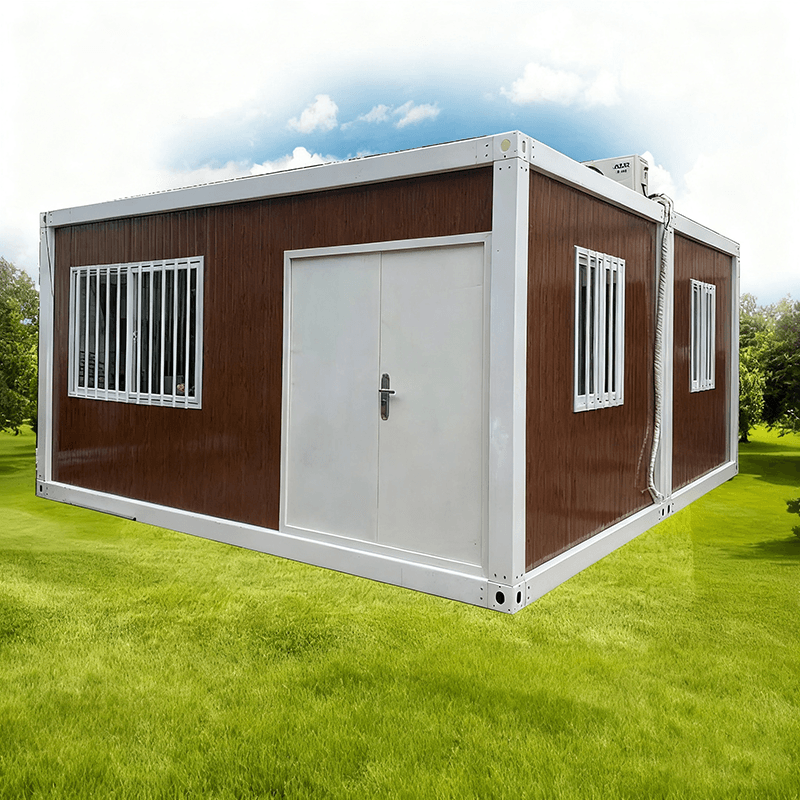
Preparatory Work Before Installation
- Site Survey and Location Selection: Conduct a detailed survey of the garden site. The chosen location should be easily accessible to visitors, avoiding low-lying areas prone to water accumulation. Select a position with firm soil and relatively flat terrain. Additionally, consider the harmony with the surrounding landscape and ensure that the installation location facilitates the future entry and exit of sewage suction vehicles for cleaning operations.
- Determine Specifications and Model: Based on the peak visitor flow, usage frequency, estimated gender ratio, and management conditions of the garden, select the appropriate specifications and model of the mobile toilet and confirm its sewage disposal method.
- Handle Relevant Procedures: Understand and complete all reporting or approval procedures required by the garden management or relevant property management departments.
- Prepare Materials and Tools: According to the size and installation requirements of the selected mobile toilet, prepare basic building materials such as cement, sand, gravel, and bricks of corresponding specifications, as well as necessary tools like level gauges, tape measures, wrenches, screwdrivers, electric drills, and lifting equipment. Ensure that all water and electricity access points have been planned and reserved in place.
- Foundation Construction:
- Marking and Excavation: Mark the outline of the foundation pit on the ground using lime powder or string according to the size of the toilet base. The excavation depth should be determined based on local soil conditions and the weight of the toilet, typically excavating below the frost line and slightly larger than the base size.
- Pour Concrete Foundation: Lay a layer of crushed stone at the bottom of the foundation pit and compact it as a bedding layer, then pour concrete to form a flat and sturdy foundation platform. The foundation platform should be kept level, and fixed parts should be embedded in the foundation. For direct-discharge toilets that need to be connected to the municipal sewage network, pre-embed the sewage pipes simultaneously and ensure that the pipes have an appropriate slope.
- Curing: After pouring the concrete foundation, allow sufficient curing time, usually not less than 3 days, until it fully solidifies and reaches the required strength before proceeding to the next installation step.
Main Installation Process
After the foundation is stable, use a flatbed transport vehicle to deliver the mobile toilet box to the site. Use lifting equipment (crane or forklift) to lift the box steadily and carefully move it onto the prepared concrete foundation. A dedicated person should be present to direct the operation during this process.



