Garden Environmental Protection Mobile Toilet Design
Through a closed-loop resource recycling design, garden environmental protection mobile toilets integrate sanitation facilities into the garden ecosystem, achieving three core goals: water conservation, waste reduction, and self-sufficiency in energy supply. The design features can be elaborated from the following five aspects:

I. Water Conservation Mechanism: Dual Pathways to Reduce Clean Water Consumption
- Reclaimed Water Reuse: Connected to the garden irrigation system via pipelines, treated reclaimed water is used for flushing. The pipeline material must be corrosion-resistant and highly sealed, with water quality meeting standards of no suspended solids and low organic content to prevent blockages or contamination within the toilet.
- Pneumatic-Assisted Cleaning: Utilizing vacuum or pneumatic technology, air power replaces traditional water flow. For example, vacuum toilets achieve rapid waste suction through a negative pressure of -0.08 MPa in the pipeline, requiring only a small amount of water (about 0.5 L per use) for cleaning, saving over 80% of water compared to conventional toilets. The key technologies lie in precise pressure control and pipeline sealing to prevent odor leakage.
II. Waste Treatment: Synergistic Biodegradation and Membrane Filtration
- Solid Waste Conversion: Equipped with a biodegradation chamber, thermophilic bacteria (such as Bacillus subtilis) are added while maintaining a temperature of 50-60°C and humidity of 60%-70%. This allows organic matter like feces to decompose into humus within 24-48 hours, reducing volume by about 90% and producing no odor.
- Liquid Recovery and Purification: Integrated with a small-scale membrane treatment unit (such as ultrafiltration membranes), liquids like urine are filtered to retain impurities with a molecular weight greater than 5000 Da, producing water that meets garden irrigation standards (COD < 50 mg/L). The membrane module must be made of anti-fouling material (such as PVDF) and equipped with a backflushing function to handle outdoor dust.
III. Energy Supply: Hybrid Mode for Self-Sufficiency
- Solar-Dominated Power Supply: Monocrystalline silicon photovoltaic panels (about 500 W in power) are installed on the roof, generating an average of 2-3 kWh of electricity per day to meet the demands of lighting, ventilation (50 W in power), and the control system (20 W in power).
- Kinetic Energy Recovery Supplement: Micro-generators are installed under door hinges and floors, converting mechanical energy generated by door opening (about 5 J per use) and footsteps (about 10 J per use) into electricity. Stored in supercapacitors, this electricity is used for nighttime lighting, supplementing an average of about 0.5 kWh per day.
IV. Operational Logic: User Behavior Guides Resource Recycling
- Tiered Flushing Control: The toilet is equipped with 'small flush' (2 L per use for urine) and 'large flush' (4 L per use for feces) buttons, or infrared sensors automatically adjust the flush volume.
- Degradation Program Triggering: After the toilet lid is closed, the system automatically initiates ventilation (at a wind speed of 2 m/s) or stirring (at a rotation speed of 10 rpm) to promote the mixing of bacteria with waste.
- Handwashing Water Recovery: A diversion pipe is installed under the handwashing sink to directly channel wastewater into the membrane treatment unit. It is recommended to use low-foaming, water-saving hand soap (with a surface tension of less than 30 mN/m) to prevent membrane fouling.
- Disposal Guidelines: Illustrations are posted inside to clearly indicate the disposal ports for solids (degradation chamber) and liquids (collection tank). Incorrect disposal may lead to bacterial death or membrane blockage.
V. Overall Structure: Modular Design Balances Strength and Mobility
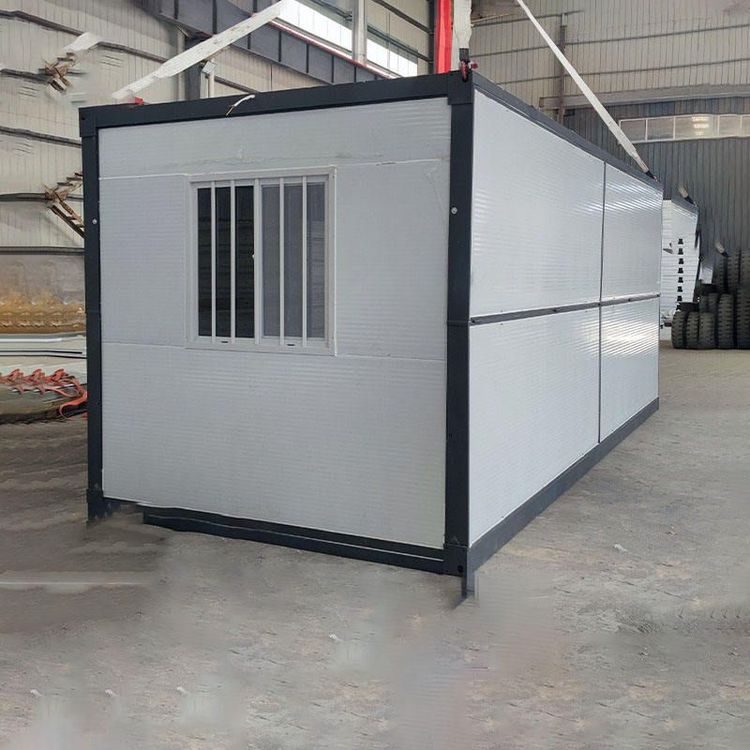
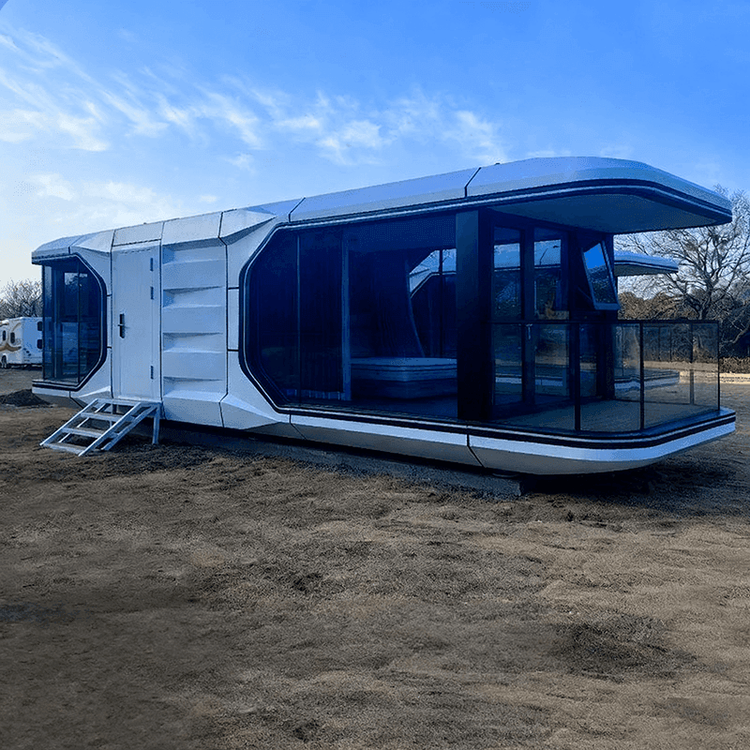
- Frame Structure: Constructed using Q235 steel welding, with bottom channel steel (10#) for load-bearing, upright square steel (80×80 mm) for support, and walls made of color-coated steel plates (0.5 mm in thickness) or preservative-treated wood (treated with ACQ), meeting wind resistance grade 8 and seismic fortification intensity grade 7 requirements.
- Modular Assembly: The main body is divided into a base module (including the degradation chamber), an energy module (photovoltaic panels + batteries), and a treatment module (membrane components). These modules are connected via quick couplings, supporting overall lifting by cranes and reducing the moving cost by 60% compared to traditional toilets.
Such a design reduces clean water consumption in gardens by 90% and waste discharge by 95%, while significantly lowering external resource dependence for garden maintenance through self-sufficiency in energy and organic matter recycling.