
Garbage Bag Portable Toilet
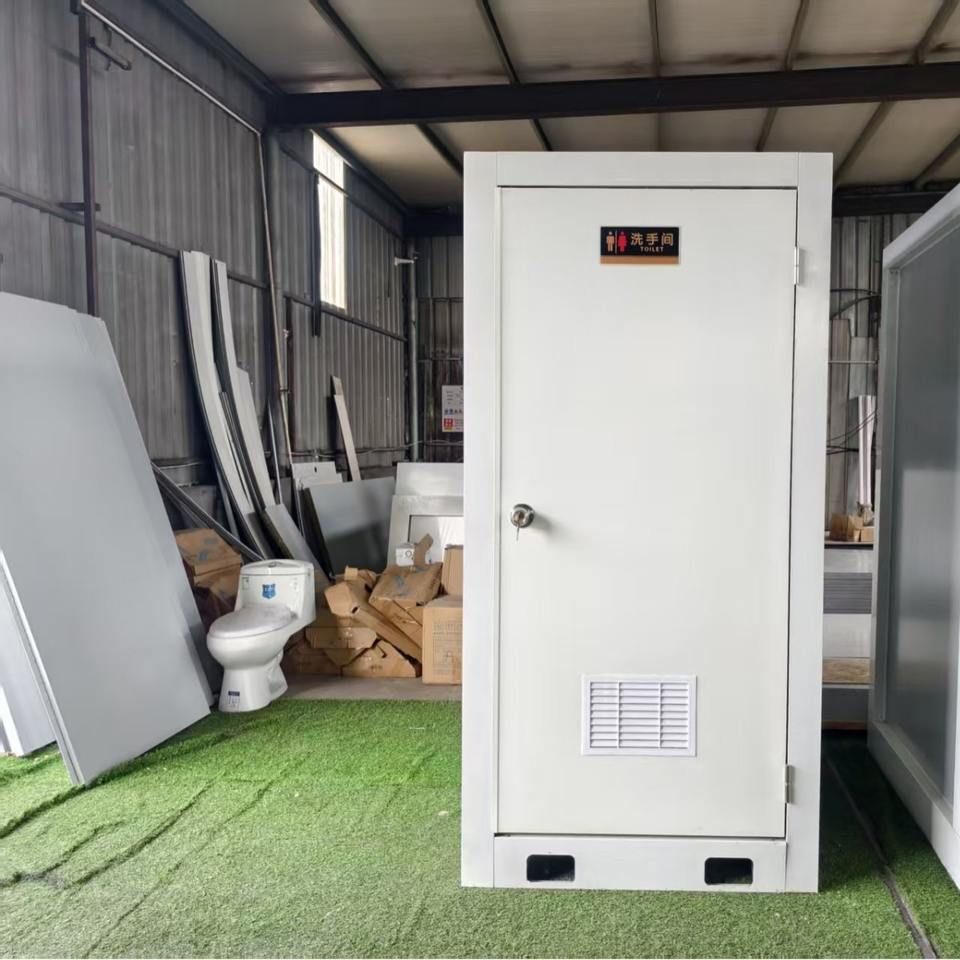
Garbage bag portable toilets generally refer to packing-type toilets, which use biodegradable packaging bags to collect feces, requiring no water for flushing and being movable for deployment.
Core Principles and Workflow
The core of garbage bag portable toilets lies in the use of specially made, fully biodegradable film packaging bags to receive feces. After a user finishes using the toilet, the built-in mechanical device or microcomputer sensing system automatically activates to complete the following steps:
- Sealing and Pulling: The packaging bag is tightly sealed and pulled down into a dedicated feces storage bucket to prevent feces exposure.
- Surface Renewal: The film on the surface of the toilet seat or squatting pan is automatically replaced to ensure a clean state for each use.
- Odor Sealing: The sealing device immediately starts working to lock the odor below the feces storage bucket and prevent its spread.
The entire process requires no water for flushing and relies solely on the sealing property of the packaging bag and the automated operation of the mechanical system to achieve a balance between environmental protection and hygiene.
Main Structural Components
- Biodegradable Packaging Bags: Made of biodegradable materials, these bags can be directly discarded or decomposed through professional treatment after use, reducing environmental pollution.
- Mechanical Core: Responsible for sealing, pulling, and surface renewal of the packaging bags, it is the core component for toilet automation.
- Toilet Seat and Shell: Provide user comfort and protect the internal mechanical structure. The shell is usually made of lightweight and durable plastic or metal.
- Feces Storage Bucket: Located at the bottom of the toilet, it is used to collect the sealed packaging bags and requires regular cleaning or replacement.
Applicable Scenarios and Advantages
Garbage bag portable toilets are particularly suitable for the following scenarios:
- Areas without water and electricity: Such as urban blocks, park squares, and outdoor celebrations, where they can operate without external water and electricity connections, relying on their built-in storage units.
- Temporary events: Large-scale exhibitions, music festivals, and sports events, where they can be quickly moved and deployed to meet short-term high-traffic demands.
- Places with high environmental protection requirements: Biodegradable packaging bags reduce the sewage discharge of traditional toilets, aligning with the concept of sustainable development.
Their core advantages include no need for flushing, easy mobility, quick installation, and controllable hygiene, and they effectively isolate odors through sealed designs, enhancing the user experience.
Supplementary Related Products
There are also products on the market such as plastic bags for mobile toilet seats, bags for packing squatting pans, and feces packing bags for toilet tanks, all used for feces collection in mobile toilets. These plastic bags usually have high strength and are leak-proof, compatible with the mechanical systems of packing-type toilets, further expanding the application flexibility of garbage bag portable toilets.



