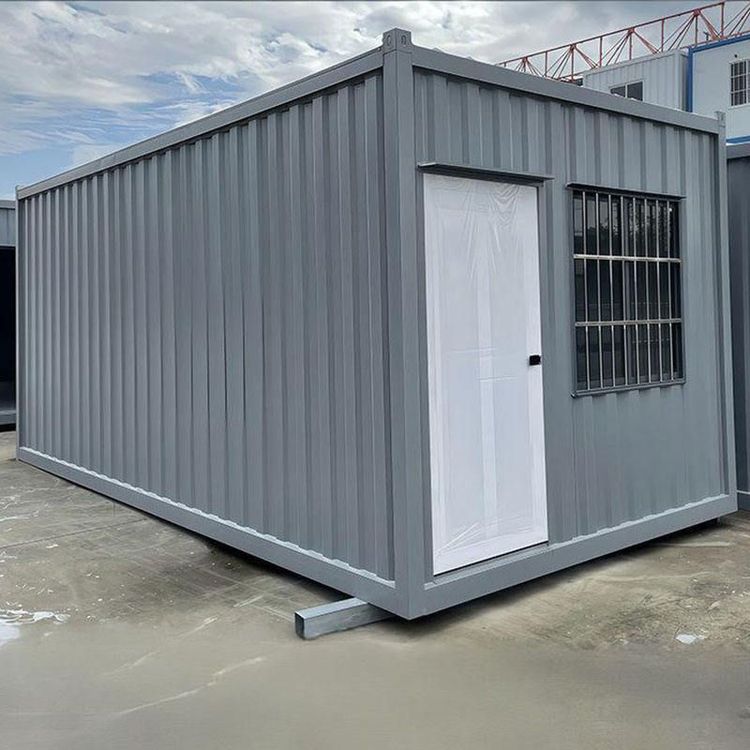
Gaomi Temporary Mobile Toilet
Gaomi temporary mobile toilets are movable, combinable, and easy-to-transport temporary sanitation facilities suitable for various scenarios, with multiple customization options. Here is a detailed introduction:

Manufacturers and Services
Jinhua Xin'an Steel Structure Engineering Co., Ltd. can provide quotation and customization services for Gaomi mobile toilets, meeting the personalized needs of different customers in terms of specifications and functions. Shandong Qichang Bangji Environmental Protection Technology Co., Ltd. can customize high-density polyethylene (HDPE) temporary toilets. These products are finished ecological and environmentally friendly public toilets for outdoor use, with prices starting at 2300.00 yuan. The minimum order quantity is 1 unit, shipped from Jinan, Shandong. The material is HDPE, and they are suitable for large-scale events, sports competitions, festivals, parks, tourist attractions, construction sites, etc. They come with a 1-year warranty and a 10-year service life.
Product Features
HDPE mobile toilets have significant advantages in disaster scenarios such as floods. They feature waterproof and anti-seepage properties, effectively preventing sewage leakage and avoiding environmental pollution. They are highly corrosion-resistant, adaptable to different climates and soil conditions, and have an extended service life. They are lightweight and easy to deploy, facilitating rapid transportation and installation, and can be quickly put into use in emergencies, making them an ideal choice for disaster emergency sanitation solutions. Additionally, mobile toilets are generally composed of fecal sewage storage tanks (or fecal sewage treatment devices), floor slabs, sanitary ware, walls, washing equipment, water tanks, roofs, and mobile devices, with a reasonable structure and complete functions.
Application Scenarios
Gaomi temporary mobile toilets are suitable for a wide range of scenarios, including construction sites, providing convenient sanitation conditions for workers; disaster relief areas, meeting the basic living needs of affected people; temporary office spaces, ensuring the normal use of staff; transportation hubs such as stations and docks, facilitating travelers; tourist attractions, villa areas, newly built residential areas, large construction sites, squares, densely populated public places, and bustling commercial streets, solving the toilet problems during high pedestrian traffic.