Gaogang Container House
The application of container houses in the Gaogang area is mainly reflected in commercial leasing, prefabricated building sectors, and logistics support scenarios.

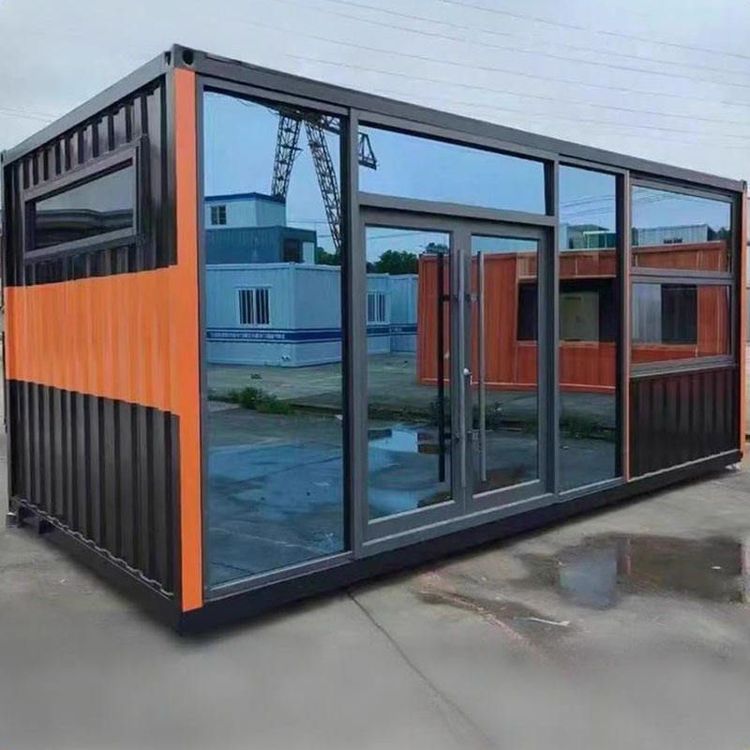
Commercial Leasing Sector: Communities in the Taizhou Gaogang District have successfully created convenient service mini-business districts by purchasing container houses and renting them out. For example, in 2022, the community initially purchased 17 container units and rented them to mobile vendors. By the end of the year, they added another 18 containers and built 13 panel houses, forming a commercial complex integrating supermarkets, dining, hairdressing, apparel, express delivery stations, and other business formats, generating nearly 600,000 yuan in additional annual revenue. This model demonstrates that container houses, with their characteristics of rapid construction, controllable costs, and strong mobility, have become effective tools for revitalizing idle assets and promoting community economic development.
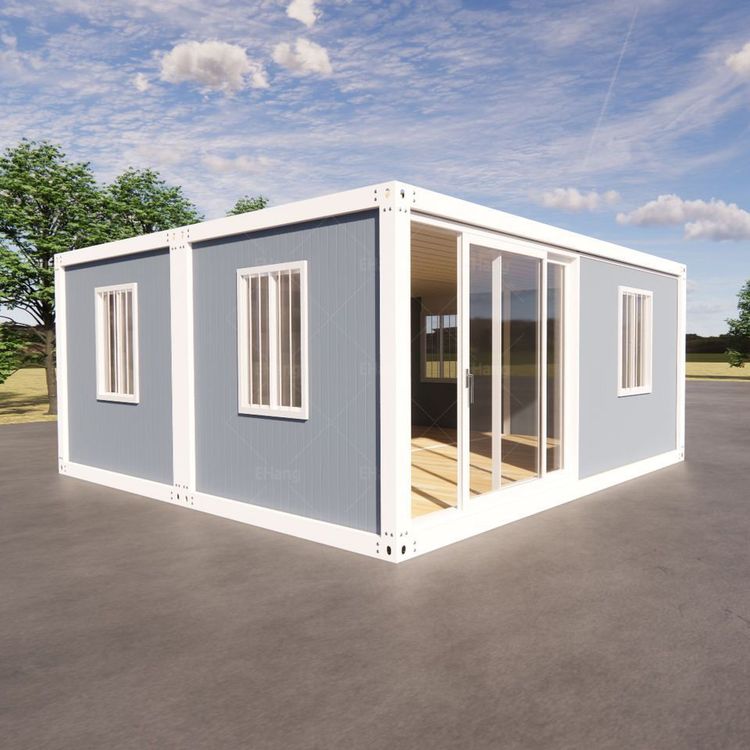
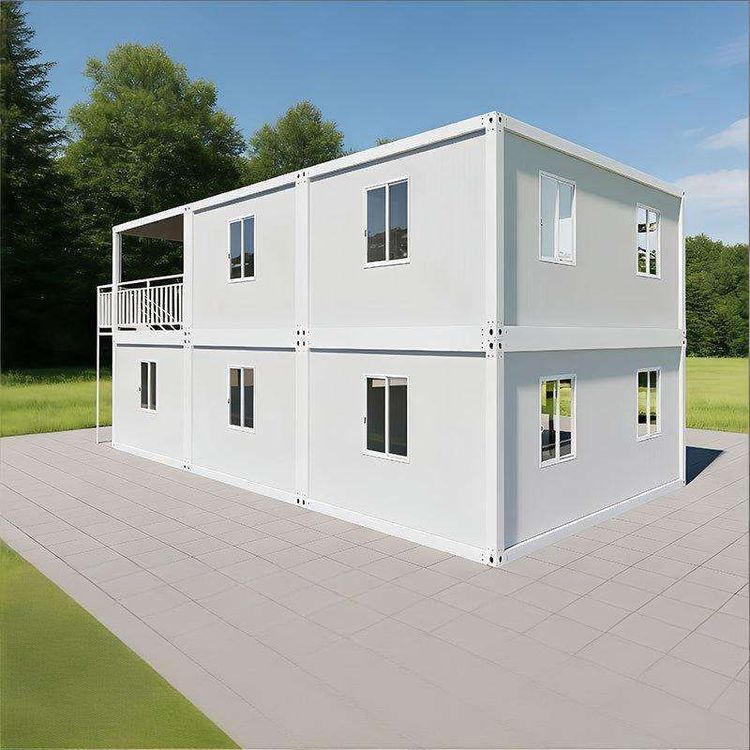
Prefabricated Building Sector: Jiangsu Baoli Prefabricated Housing Industry Co., Ltd., a representative enterprise in the Gaogang District, covers the design, manufacturing, and installation of container houses. Collaborating with universities such as Beijing University of Technology, the company has developed the 'Baoli Green Low-Rise Prefabricated Steel Structure Housing Technology System' and holds multiple construction-related patents. Its container house products can be applied in scenarios such as temporary offices, public restrooms, and commercial waystations. For instance, the company has won bids for projects like the design and procurement of waystations in Nantong's Zilang Park and the procurement of prefabricated public restrooms by the Chuangchuan District Environmental Sanitation Management Office. This reflects the advantages of container houses in standardized design, industrialized production, and prefabricated construction, aligning with modern construction requirements for efficiency and environmental protection.
Logistics Support Scenarios: As a port on the Yangtze River trunk line, the container terminal at Taizhou Port has seen sustained growth in throughput (reaching 361,500 TEUs in 2024), driving demand for container houses in the surrounding logistics industry. For example, container houses may be used in the terminal area as temporary storage, office, or duty facilities, leveraging their modular and scalable features to quickly respond to spatial needs in logistics operations. Additionally, research by the School of Economics and Management on enterprises such as Taizhou International Container Terminal indicates increased investment by the logistics industry in smart warehousing and supply chain management. As low-cost and flexible supporting facilities, container houses may further integrate into the construction of logistics parks.