Ganzi Mobile Toilet Dimensions and Specifications
The dimensions and specifications of mobile toilets in Ganzi are quite diverse, with the following common types:

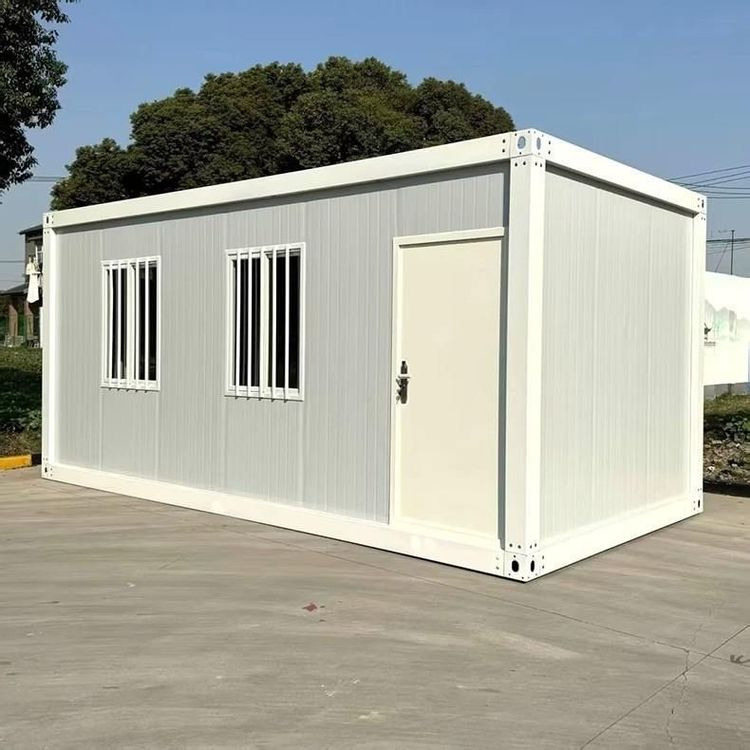
Standard Size Types Common overall dimensions of mobile toilets include 1.2m×1.2m×2.2m, 1.2m×1.4m×2.4m, and 1.4m×1.3m×2.5m. These sizes are typically suitable for public places or temporary event scenarios, meeting the needs of multiple people using them simultaneously. The interior space is relatively spacious, allowing for the installation of standard sanitary facilities (such as toilets and sinks) while also leaving enough room for movement to prevent users from feeling cramped.
Single-Person Size Types Single-person mobile toilets are divided into regular and mini models. The regular model has dimensions of 110cm in length, 110cm in width, and 230cm in height, suitable for scenarios with moderate space requirements, such as scenic spots and construction sites. It ensures the comfort of single-person use without occupying excessive site resources. The mini single-person model has dimensions of 100cm in length, 100cm in width, and 220cm in height, with a smaller volume, making it ideal for temporary places with limited space, such as small event venues or temporary construction sites. Although the interior space is compact, it can still meet basic usage needs.
Double-Person Size Types The dimensions of double-person mobile toilets are usually 180cm in length, 110cm in width, and 230cm in height. This design enables two people to use the toilet simultaneously by extending the length, making it suitable for areas with high foot traffic, such as large exhibitions and sports events. It can effectively reduce queuing time and improve usage efficiency. The interior layout needs to be reasonably planned to ensure that the two users do not interfere with each other.
Barrier-Free Size Types The dimensions of barrier-free mobile toilets are generally 180cm in length, 150cm in width, and 240cm in height. This design provides sufficient space for people with disabilities or those with mobility issues by widening the width and adjusting the height, facilitating the entry and turning of wheelchairs. The interior is usually equipped with barrier-free facilities (such as handrails and low-level sinks), complying with barrier-free design specifications and reflecting humanistic care.
Mobile toilets of different sizes can be selected according to specific usage scenarios, foot traffic, and space conditions to meet diverse practical needs.