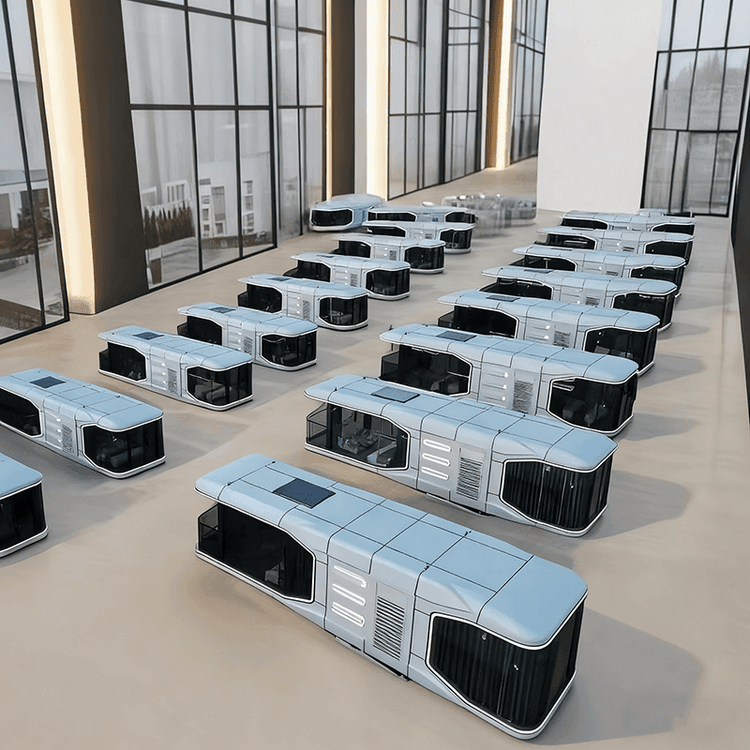
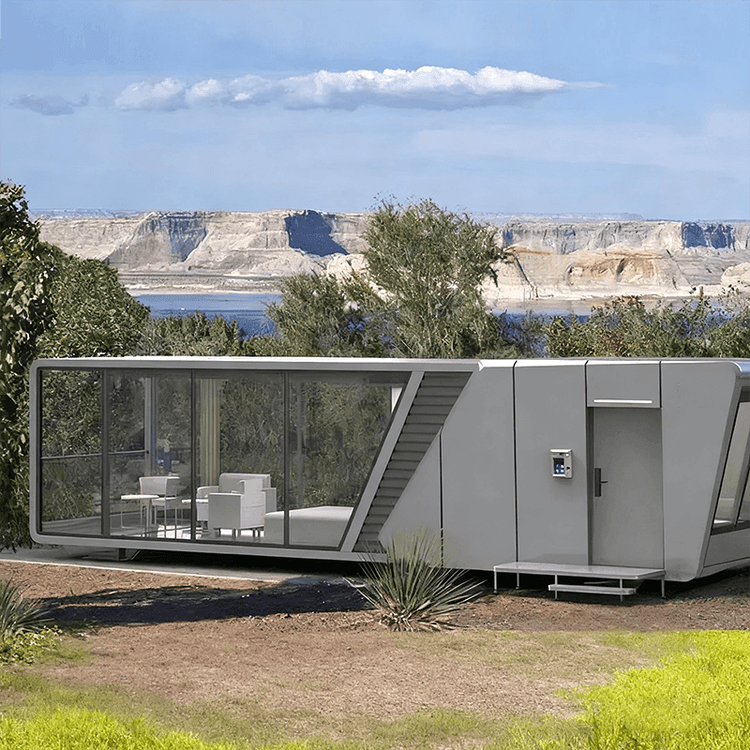
Customization of Mobile Toilets for Gansu Square
The customization of mobile toilets for Gansu Square requires comprehensive consideration of demand communication, material selection, and functional configuration, combined with professional manufacturer services to achieve personalized solutions.

I. Demand Communication and Customization Process
Customizing mobile toilets necessitates clarifying the usage scenario (such as public places like squares), estimated foot traffic, sewage disposal methods (presence or absence of septic tanks or sewage pipelines), power supply conditions, and budget range. Based on this information, manufacturers provide preliminary plans, including the number of toilets, layout, dimensions, and accessibility facility configurations. For instance, squares with high foot traffic require an increased number of toilet stalls and optimized traffic flow design; areas without sewage pipelines need to choose ecological waterless or microbial treatment technologies; and solar power systems can be adopted when power supply is insufficient. During the demand communication phase, it is essential to fully interface with the manufacturer to ensure the plan aligns with actual needs.
II. Material Selection and Performance Adaptation
Mainstream materials include metals (galvanized steel plate, stainless steel), engineering plastics (HDPE, PP), and composite panels (fiberglass, color-steel sandwich panels).
- Metal materials: High strength and good fire resistance, but heavy weight leads to high transportation costs, suitable for long-term fixed usage scenarios.
- Engineering plastics: Corrosion-resistant and easy to clean, suitable for humid or rainy regions, such as some areas in Gansu with humid climates.
- Composite panels: Balance insulation, sound insulation, and lightweight properties, but have limited load-bearing capacity and require avoidance of overweight usage.
Material selection should be comprehensively considered based on local climate (such as temperature variations and humidity), usage frequency, and maintenance costs. For example, high-frequency usage scenarios recommend selecting wear-resistant metals or engineering plastics to extend service life.
III. Functional Configuration and Scenario Matching
Basic functions include flushing systems (hand-pressed, foot-pedal, or sensor-activated), sewage pipelines, and ventilation fans; optional functions cover lighting, handwashing stations, exhaust fans, air conditioners, storage shelves, and baby care stations.
- Square scenarios: It is recommended to configure sensor-activated flushing systems to reduce contact contamination and install exhaust fans and lighting to enhance user comfort.
- When the budget is limited: Prioritize basic functions and gradually expand through modular design in the future.
- Special requirements: Accessibility facilities must comply with national standards, and baby care stations should be located near women's toilet stalls.
Functional configuration should balance practicality, maintenance costs, and power/water supply conditions to avoid over-configuration leading to resource waste.
IV. Professional Manufacturer Service Support
Companies such as Dalian Fuhua Hengrun Industrial Co., Ltd. offer customized products such as trailer-mounted mobile toilets and ecological waterless public toilets, covering the needs of square scenarios. When selecting a manufacturer, it is necessary to evaluate its design capabilities, production qualifications, and after-sales service to ensure the quality of plan implementation.