
Gansu Single Mobile Toilet Design
The design of single mobile toilets in Gansu focuses on adapting to the climate and environment of northwest China, integrating modular, eco-friendly, energy-saving, and user-friendly features, with the following characteristics:
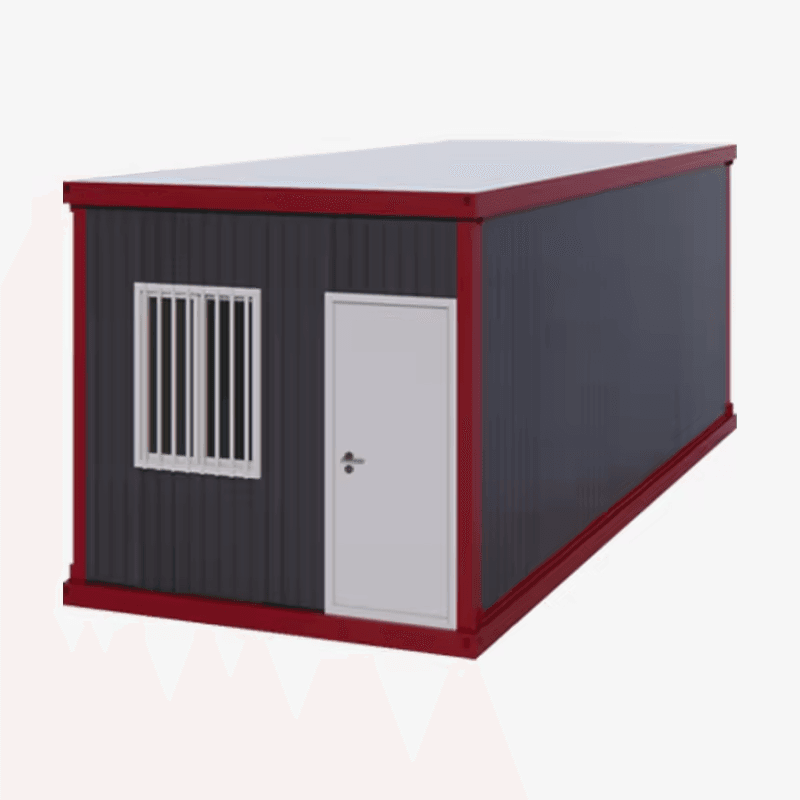
Material Selection: Cold-Resistant and Corrosion-Resistant, Balancing Lightweight and Strength
Gansu experiences a dry climate with little rainfall, large temperature differences between day and night, and cold winters. The main body of mobile toilets is mostly made of high-strength fiberglass-reinforced plastic (FRP). This material is highly corrosion-resistant and can withstand low-temperature environments, with a service life exceeding 10 years. Some products are internally equipped with insulation layers, and the box structure is covered with FRP or metal alloy, with thermal insulation interlayers filled inside. This design not only reduces weight but also enhances structural stability, accommodating frequent disassembly and assembly needs.
Structural Design: Modular Assembly, Flexible Layout
Standardized modular design is adopted, with units such as walls, roofs, and underframes connected through locks and waterproofing techniques, supporting rapid disassembly, assembly, transportation, and reorganization without relying on fixed underground pipelines. The internal layout is configured with squat or sit toilets according to needs, and space is reserved for barrier-free facilities. Pre-embedded pipeline channels in the wall interlayers enable concealed arrangement of water supply and sewage pipes, preventing aging issues associated with exposed pipelines.
Sewage System: Independent Treatment, Resource Recycling
There are two types of sewage disposal modes: one is connecting to temporary sewage storage tanks, and the other is connecting to on-site pre-treatment septic tanks, both of which can be switched through quick connectors without requiring civil engineering modifications. The system integrates solid-liquid separation devices, with solid waste directed to fermentation tanks for microbial degradation and reduction, and liquid filtered for non-potable use or purification and discharge. High-end products are equipped with water circulation systems, where treated water is reused for flushing toilets, conserving water resources; eco-friendly fecal tanks are regularly cleaned by specialized personnel, suitable for areas without sewer systems. Some models also feature automatic flushing and deodorization systems to enhance hygiene conditions.
Energy Supply: Solar Self-Sufficiency, Freeze-Proof Design
Solar panels are installed on the toilet roof to power lighting and ventilation equipment, with some models using low-voltage direct current drain valves to reduce energy consumption. Water supply relies on built-in storage tanks, replenished by pumps from external water sources. For cold regions, freeze-proof layers are added to the bottom of the box, and heating tapes are installed inside the pipes to prevent freezing at low temperatures, ensuring normal operation.
Ventilation Design: Negative Pressure Air Exchange, Odor Suppression
Based on the principle of negative pressure, air inlets and outlets are designed to create directional airflow, accelerating air circulation and preventing odor retention. The ventilation system is combined with solar power supply to ensure all-weather efficient operation, maintaining fresh indoor air.



