
Mobile Toilets in Gansu Scenic Spots
Mobile toilets in Gansu scenic spots are modular sanitation facilities designed by combining environmental characteristics with tourist needs. They feature strong environmental adaptability, flexible site selection, and convenient maintenance, becoming long-term and essential service facilities in some scenic spots.
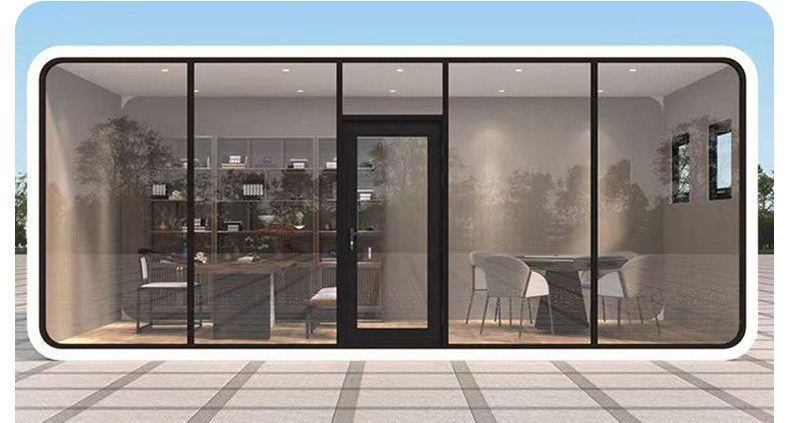
1. Modular Design and Functional Configuration
Mobile toilets in Gansu scenic spots adopt a modular design, with basic units including treatment systems, storage units, and functional compartments.
- Treatment Systems: For waste collection and preliminary treatment, some equipment uses biodegradation or physicochemical decomposition technologies to reduce subsequent transportation pressure. For example, microbial decomposition technology can convert organic matter into harmless substances, reducing environmental pollution.
- Storage Units: Capacity design must match peak tourist numbers and cleaning frequencies to avoid failure due to full capacity. For example, near crowded viewing platforms, storage unit capacity is increased accordingly to ensure normal use during peak periods.
- Functional Compartments: In addition to basic toilet spaces, some are equipped with barrier-free facilities (such as handrails and low-position toilets) to meet the needs of the elderly and disabled, reflecting humanized design.
2. Environmental Adaptability Optimization
Gansu scenic spots face challenges such as drought and large temperature differences between day and night. Mobile toilets enhance adaptability through the following designs:
- Structural Materials: Insulating and UV-resistant aging materials are used to reduce structural damage caused by high-temperature exposure. For example, high-strength plastics or metal composites are used for the outer shell to extend service life.
- Pipe Freeze Protection: Internal pipes are wrapped with insulating materials or use electric tracing technology to prevent freezing and blockage at low temperatures. For example, in high-altitude scenic spots, pipes are buried underground or fitted with insulation layers.
- Water-Saving Technologies: Solutions are selected based on water supply conditions: in arid areas, waterless packaging technology (such as biodegradable film bags for waste collection) is used; in areas with sufficient water supply, water-saving flushing devices (such as single flush volumes ≤ 3L) are employed; some scenic spots introduce closed-loop systems that recycle handwashing wastewater for toilet flushing, achieving efficient water resource utilization.
3. Site Selection and Layout Principles
The site selection of mobile toilets must balance tourist convenience and ecological protection:
- Avoid Sensitive Areas: Keep away from ecologically fragile areas (such as wetlands and water sources) and major visual landscape corridors to minimize interference with the natural environment.
- Service Radius Coverage: Typically located at viewing platforms, gathering squares, or midpoints of hiking trails to ensure tourists can reach them within a 5-10 minute walk. For example, mobile toilets along the walking paths in the Lanzhou Yellow River Scenic Area are evenly distributed to enhance accessibility.
- Flexible Layout Forms: Depending on the terrain, centralized layouts (such as near tourist centers) or dispersed layouts (such as at hiking trail nodes) are adopted to adapt to the spatial characteristics of different scenic spots.
4. Maintenance and Sustainability
- Dynamic Cleaning: Cleaning frequency is adjusted based on usage intensity, with 2-3 cleanings per day during peak periods and once per day during off-peak periods.
- Waste Transportation: Waste is transported to compliant treatment sites outside the scenic spot using dedicated sealed vehicles to avoid secondary pollution.
- Regular Disinfection: Internal surfaces, septic tanks, or treatment tanks are disinfected to control odors and pathogenic microorganisms, ensuring hygiene and safety.
- Mobile Advantage: Avoid large-scale civil engineering projects that damage geology and vegetation, and can be repositioned according to seasonal tourist flows or route adjustments to improve resource utilization efficiency. For example, during winter when tourist numbers decrease, some mobile toilets can be relocated to popular areas for concentrated use.
Mobile toilets in Gansu scenic spots, through technological optimization and management innovation, provide tourists with convenient and hygienic services while protecting the ecosystem, becoming an important support for sustainable tourism development.
You may also like

Portable Toilet Eco-Friendly: MOQ, Samples & Quotation Guide
Read More
Top Portable Toilet Color Steel Manufacturers: How to Choose a Factory Partner
Read MorePortable Toilet Picture: Types, Features & Buying Tips
Read More