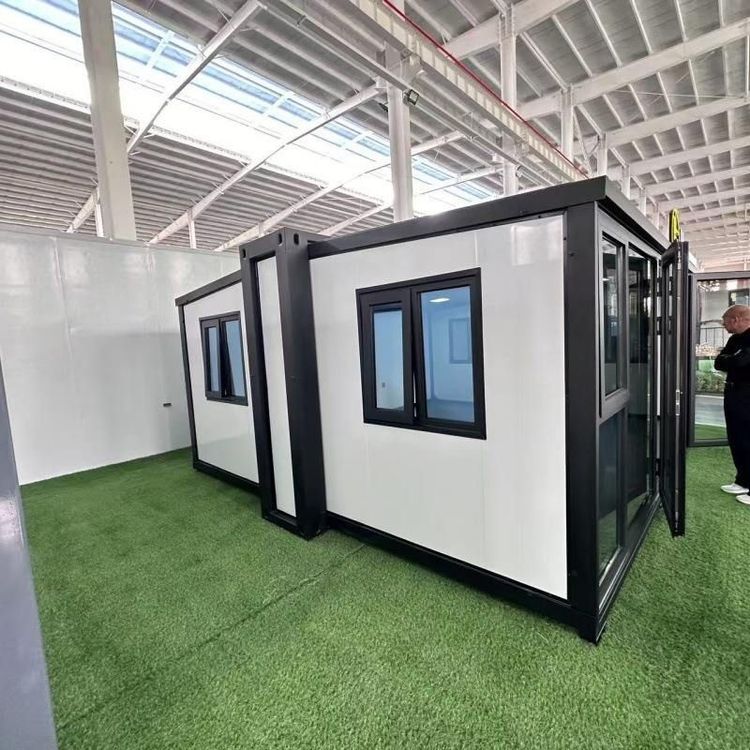
Gansu Outdoor Mobile Toilet Installation
The installation of outdoor mobile toilets in Gansu features modularity, strong adaptability, and convenient installation. The specific installation points are as follows:
Modular Design and Transportation
Outdoor mobile toilets in Gansu adopt a modular design. The toilet units are prefabricated in the factory and then transported to the site for assembly. Their structural frames, internal facilities, and sewage systems are all integrated designs, enabling adaptation to different terrain conditions. For example, in areas with significant slopes, horizontal installation can be achieved by adjusting the supports. The standard unit dimensions are optimized for transportation via regular highways without requiring special permits, reducing logistics costs.
Material Selection and Durability
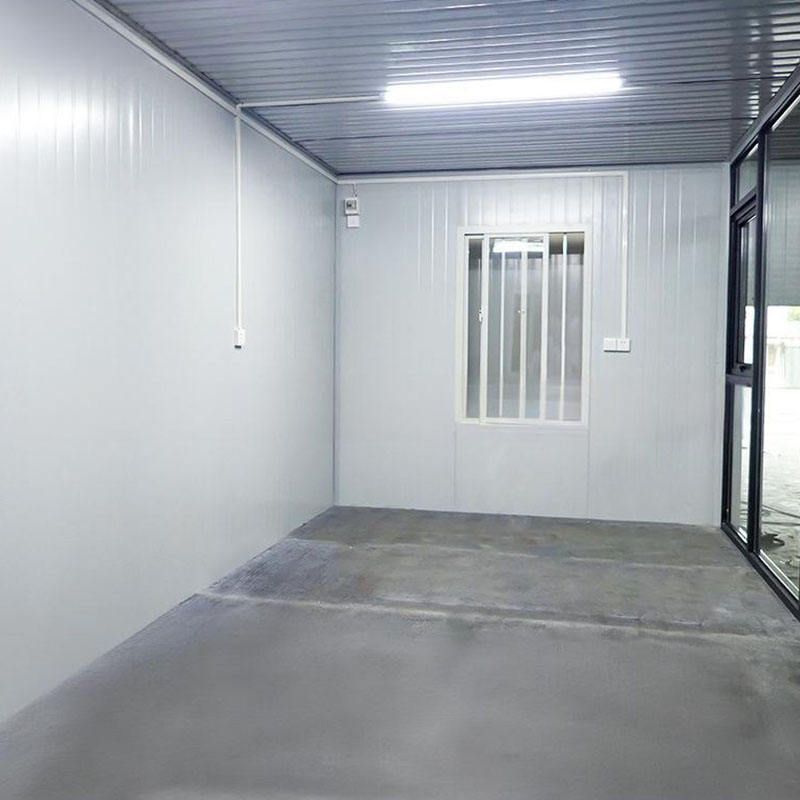
The exterior wall panels are mostly made of metal carved panels or fiberglass sheets, which are corrosion-resistant, UV-resistant, and easy to clean. The internal partitions are made of antibacterial composite materials that effectively inhibit microbial growth. The flooring materials need to be slip-resistant and waterproof, commonly achieved by laying quartz sand-reinforced epoxy resin coatings. In some cases, the wall panels are metal carved panels, the toilet doors are made of aluminum alloy, the ceiling uses PVC吊顶 (PVC suspended ceiling), and marble steps are installed at the bottom, further enhancing durability and aesthetics.
Installation Process and Efficiency
The installation process relies on specialized lifting equipment, and the main body lifting can usually be completed within a few hours. The foundation treatment is relatively simplified, often requiring only leveling the ground and laying concrete prefabricated blocks as the base, without the need for deep excavation. Some cases show that the installation time can be shortened to 1-2 hours, significantly improving construction efficiency.
Environmental Adaptability Optimization
Given the frequent wind and sand conditions in Gansu, the ventilation modules are equipped with filtration devices to effectively prevent sand and dust from entering the interior space. The connecting components and internal systems are independently designed, with the wall, roof, and other enclosure structures forming independent boxes. The water supply and drainage pipes and ventilation systems are embedded as independent modules, facilitating later maintenance or replacement of specific components without disassembling the entire structure.
Energy Supply and Sustainability
In areas with abundant sunlight in Gansu, solar photovoltaic panels are a common energy choice, providing power for lighting and ventilation systems. Some facilities are equipped with small wind turbines to achieve complementary wind and solar power supply. The energy storage units typically use lithium battery packs to ensure basic functionality for several days under conditions without sunlight or wind, enhancing the sustainability of energy utilization.
Maintenance and Standardized Management
Daily maintenance includes regularly checking the capacity of the sewage containers, battery levels, and the stock of consumables such as toilet paper. Microbial degradation systems require regular addition of bacterial agents to maintain decomposition efficiency. All maintenance operations are carried out through standardized procedures to ensure that toilets at different locations maintain the same service level.