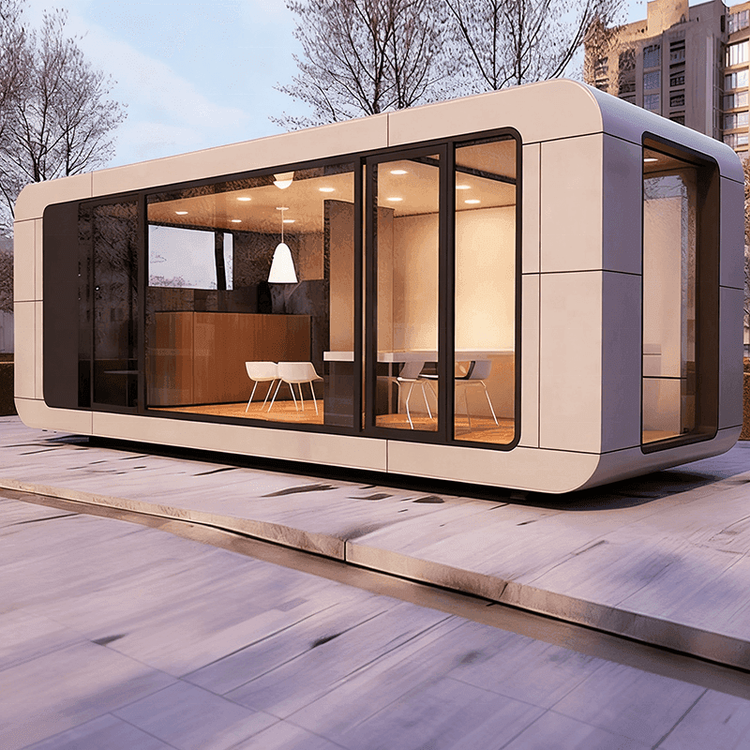
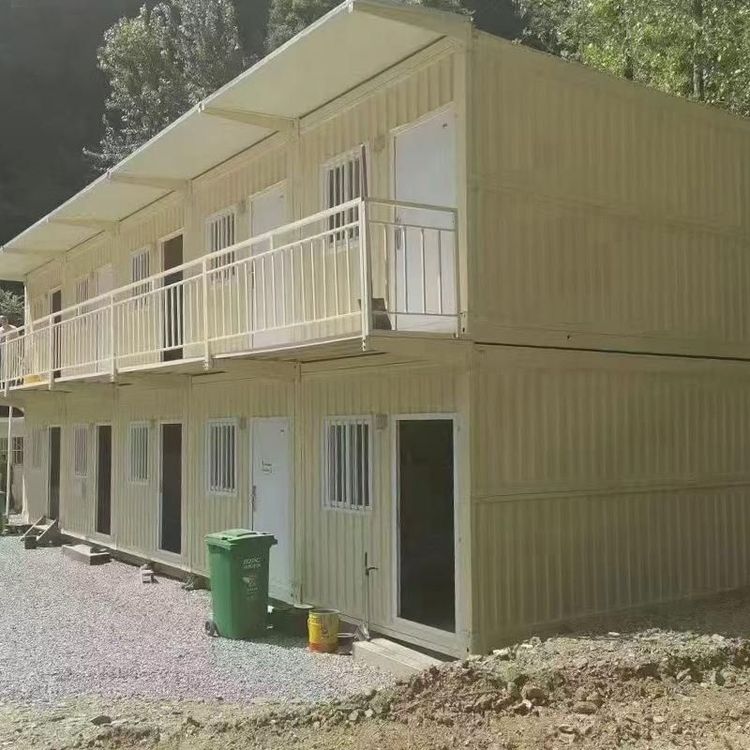
Gansu Outdoor Mobile Toilet Design
The design of outdoor mobile toilets in Gansu integrates modularization, environmental adaptability, and eco-friendliness, forming a multi-dimensional technological system with the following specific features:

1. Modular Assembly and Structural Adaptability Employing a lightweight steel structure framework enables factory prefabrication and rapid on-site assembly. The structural units encompass the toilet body, sewage disposal system, and internal facilities, which are connected through standardized interfaces to adapt to various terrains (e.g., horizontal installation on slopes using adjustable brackets). In windy and sandy areas like the Hexi Corridor, emphasis is placed on structural stability, while in the humid regions of Longnan Mountain, moisture-proof sealing techniques are enhanced. All these are achieved by adjusting module combinations to meet differentiated needs without altering the overall framework.
2. Environmentally Adaptive Materials and System Design
- Enclosure Structure: The exterior walls are made of metal carved panels or fiberglass sheets, featuring UV resistance and corrosion resistance. The internal partitions use antibacterial composite materials to inhibit microbial growth. The floor is laid with quartz sand-reinforced epoxy resin coating, providing both slip resistance and waterproofing.
- Ventilation System: In response to Gansu's windy and sandy environment, the ventilation modules incorporate filtration devices to prevent sand and dust from entering the interior space while ensuring air circulation.
- Climate Adaptation: The main framework is made of modified composite materials with a low linear expansion coefficient, enabling it to withstand diurnal temperature variations (e.g., high temperatures in summer and severe cold in winter). The waterproof sealing system combines dust prevention with short-term heavy rainfall drainage to prevent waterlogging.
3. Water-Saving Internal Treatment Systems
- Waterless Packaging Type: Degradable films are used to seal excreta, requiring no water throughout the process, suitable for extremely water-scarce areas.
- Microbial Degradation Type: Thermophilic bacteria are employed to decompose organic matter in temperature-controlled tanks, producing carbon dioxide, water, and inorganic salts that can be directly used for soil improvement.
- Vacuum Suction Technology: Air negative pressure is utilized to transfer waste to sealed collection tanks, with a single water consumption of only one-tenth of that of traditional flushing methods, significantly reducing water resource consumption.
4. Localized Energy Supply Solutions
- Photovoltaic Power Supply System: Solar photovoltaic panels are deployed in areas with sufficient sunlight, accompanied by lithium battery packs for energy storage. Parameters are optimized based on the impact of winter sunlight angles and summer high temperatures on battery efficiency to ensure basic lighting and ventilation for 3-5 days during continuous rainy days.
- Wind-Solar Hybrid System: Some facilities are equipped with small wind turbines to work in conjunction with photovoltaic power, enhancing energy stability.
5. Intelligent Management and Ecological Linkage Design
- Remote Monitoring System: Real-time data collection of toilet occupancy status, tank fullness, battery levels, etc., supports precise scheduling by maintenance personnel.
- Winter Anti-Freezing Measures: Electric tracing tapes are used to insulate key pipelines, or low-freezing-point environmentally friendly flushing fluids are employed to prevent low-temperature failures.
- Ecological Protection: Sites are selected to avoid ecologically fragile areas, and reversible prefabricated piers are used for foundations to minimize soil damage. Treated residues, after passing inspections, are used for fertilizing non-edible plants, forming a local nutrient cycle.
6. Standardized Construction and Functional Expansion Construction is carried out in accordance with standards such as the "Design Code for Outdoor Public Toilets" to ensure safety and compliance. Additional modules (e.g., simple shower rooms, emergency call buttons) are designed as plug-ins, not affecting the stability of the main structure, and meeting the diversified needs of tourist areas and other scenarios.