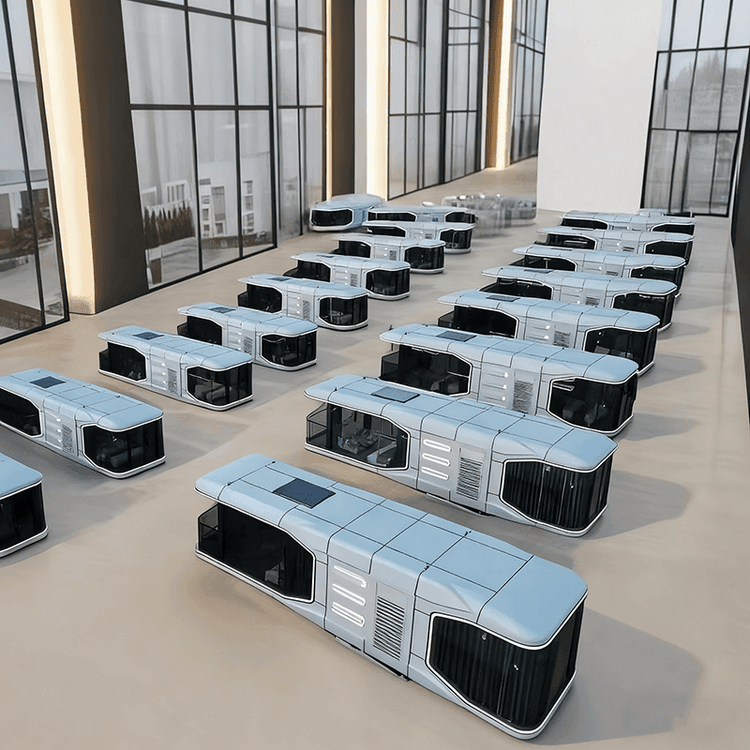
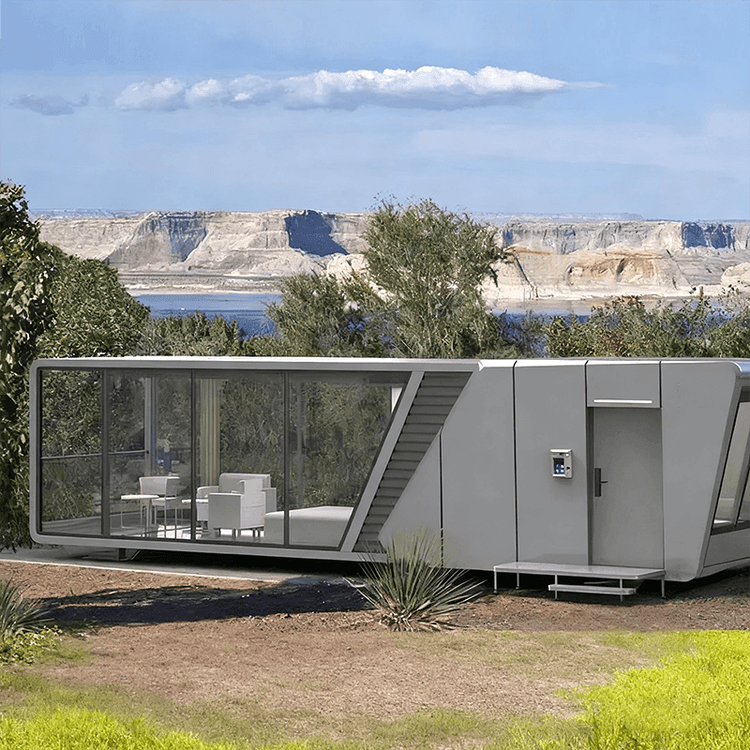
Usage of Mobile Toilets in Gansu
The primary purpose of mobile toilets in Gansu is to provide convenient and hygienic toilet services for the public and customers, suitable for various venues, especially given the rapid urbanization and cultural tourism development in the region, where demand exhibits diversified and customized characteristics.

Firstly, mobile toilets in Gansu are widely used in densely populated or highly mobile public areas. For example, stations, docks, squares, and bustling commercial streets. These areas have high foot traffic and limited traditional fixed toilet layouts. Mobile toilets can be flexibly deployed to quickly supplement sanitation facility gaps and meet sudden or peak-hour toilet demands. Their mobility allows them to adjust positions based on actual usage, avoiding resource waste.
Secondly, tourist attractions are a core application scenario for mobile toilets in Gansu. With the booming cultural tourism industry in Gansu, renowned sites like the Mogao Caves in Dunhuang and the Danxia Landform in Zhangye have seen a surge in tourist numbers, making it difficult for traditional toilets to cope with the immense visitor flow. Mobile toilets achieve rapid capacity expansion through modular design, with some high-end models equipped with intelligent management systems that can monitor usage frequency and cleanliness in real-time, and even reduce queuing times through diversion guidance. Additionally, with strict ecological and environmental requirements in tourist areas, mobile toilets often adopt water-saving flushing technologies, microbial degradation, or vacuum suction and other waterless treatment methods to reduce sewage discharge and minimize interference with the natural environment.
Furthermore, mobile toilets in Gansu are suitable for temporary or phased demand scenarios. For instance, large construction sites and temporary event venues (such as music festivals and exhibitions) have short project durations and concentrated personnel. Building fixed toilets is costly and difficult to dismantle. Mobile toilets can be quickly installed and removed according to project progress, ensuring workers' basic needs are met while avoiding resource idleness. New residential communities or villa areas can also use mobile toilets as a transitional solution before supporting facilities are complete, enhancing the living experience.
The special needs of the Gansu region have further driven the customized development of mobile toilets. Some models have enhanced water-saving capabilities to address arid climates; materials have been optimized for weather resistance and insulation in high-altitude or low-temperature environments; and for cultural tourism scenarios, appearances incorporate regional cultural elements, becoming 'mini-landscapes' in tourist areas. These innovations have upgraded mobile toilets from single-function facilities to public service products that combine practicality with cultural value.