Gansu Mobile Toilet Upgrade and Renovation
The upgrade and renovation of mobile toilets in Gansu are reflected in multiple aspects such as construction technology, materials, sewage treatment systems, environmental performance, as well as intelligence, culture, and services.

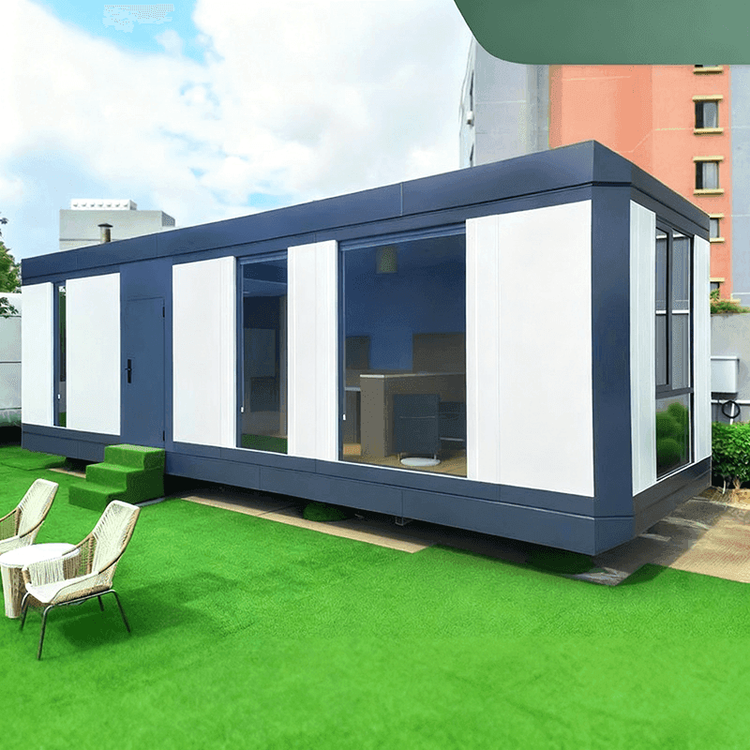
Construction Technology and Materials: The manufacturing of color-steel mobile toilets in Gansu adopts modular construction technology. The toilets are broken down into independent functional units, prefabricated in factories, and connected through standardized interfaces. This approach reduces on-site construction time, minimizes the impact on the surrounding environment, and facilitates later maintenance and functional upgrades. In terms of materials, galvanized aluminum-zinc steel plates are used as the main covering material, which has weather-resistant properties and can withstand strong ultraviolet radiation and temperature variations in the northwest region. Internally, light steel keels are used, which ensure overall strength while controlling transportation weight.
Sewage Treatment Systems: The sewage treatment systems of mobile toilets in Gansu include three types: biological degradation, physical separation, and chemical treatment. These can be selected according to different usage scenarios and environmental requirements to meet diverse needs.
Environmental Performance: Environmental performance has been continuously improved. Water-saving devices have evolved into vacuum negative pressure systems, reducing the water consumption per flush to below 0.8 liters, significantly conserving water resources. At the same time, integrated solar power supply systems utilize renewable energy, reducing dependence on traditional energy sources. Excrement can be converted into soil conditioners through high-temperature composting technology, achieving resource recycling.
Intelligence, Culture, and Services: Taking the renovation of public toilets in the central urban area of Pingliang as an example, in terms of intelligence, electronic displays are equipped to show real-time data on toilet stall usage, temperature, humidity, and air quality. There are also fresh air systems, deodorization equipment, smart sensors on toilet stall doors, touchless faucets, automatic soap dispensers, and functional rooms such as baby care rooms and utility rooms. Culturally, the renovated public toilets each have their own characteristics, incorporating local architectural features and aesthetic pursuits. In terms of services, the number of toilet stalls has increased, dedicated cleaning staff are assigned, accessible toilets are provided, and facilities such as wheelchair ramps and handrails are installed, enhancing the city's image and citizen satisfaction.