
Back to blog
Article
Gansu Mobile Toilet Demolition
Admin September 22, 2026
The demolition of mobile toilets in Gansu should follow the principles of structural assessment, pipeline protection, step-by-step demolition, and environmental protection treatment. The specific process is as follows:
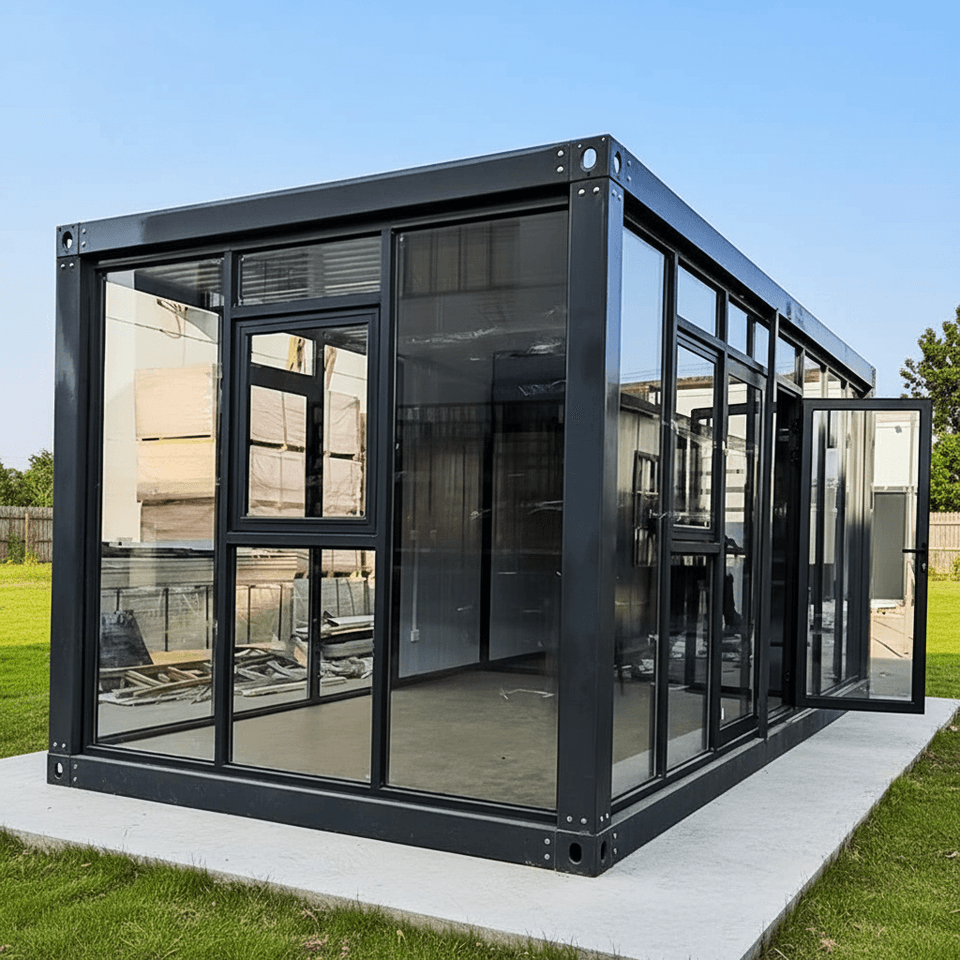
I. Pre-demolition Preparation
- Structural Safety Assessment
It is necessary to confirm whether the mobile toilet has a load-bearing structure (such as a steel frame foundation or concrete base). If the load-bearing part is involved, a professional structural engineer should be contacted for reinforcement or adjustment of the demolition plan. Non-load-bearing structures (such as anti-corrosion wooden frames) can be handled according to conventional procedures. - Pipeline and Waterproofing Inspection
Mark the locations of water, electricity, and heating pipelines, close the main valves, and cut off the power. Check the integrity of the waterproof layer. If reconstruction is required after demolition, retain samples of the base waterproofing materials for subsequent repair reference. - Protection of the Construction Area
Seal doors, windows, and ventilation openings with dust-proof cloth to reduce dust dispersion. Lay protective mats on the ground to prevent damage to the surrounding floor during the demolition process.
II. Core Demolition Steps
- Removal of Equipment and Decorative Layers
- Movable Facilities: Prioritize the removal of equipment such as toilets and washbasins. Cut off the water supply and block the sewer outlets to prevent sewage leakage.
- Decorative Materials: Use an electric hammer to remove wall tiles one by one (control the force to avoid damage to the base layer). Break the floor tiles from the doorway inward, protecting the floor drains and sewage pipe openings. The ceiling should be disassembled according to the material (such as PVC or aluminum ceiling panels).
- Treatment of Hidden Works
- Pipeline Renewal: Check the exposed water pipes and electrical conduits. Replace them if they are aged or damaged. Block the retained pipe openings (such as the unremoved sewage pipes) to prevent foreign objects from entering.
- Wall Treatment: When demolishing non-load-bearing walls, clean up the debris block by block. When handling the electrical wires in the walls, confirm that the power is cut off. If a steel frame structure is involved, use gas cutting equipment to separate the connectors and retain the recyclable steel.
- Treatment of Special Structures
- Feces-urine Separating Ecological Toilets: Prioritize the separation of environmental protection components such as fecal tanks and urine buckets, and carry out harmless treatment or recycling according to local environmental protection requirements.
- Anti-corrosion Wood Materials: Pay attention to retaining the integrity of the wood during disassembly for subsequent reuse or classified recycling.
III. Base Layer Cleaning and Acceptance
- Waste Removal
Classify and bag the demolished debris, tile fragments, etc., and transport them to the designated stacking point. If they contain metal or plastic parts, they should be recycled separately. - Base Layer Inspection
After cleaning, check the walls and floors for signs of hollowing, cracking, or water seepage. Take photos and mark the locations to provide a basis for subsequent repairs.
Tip: If the demolition scale is large or involves public areas, it is necessary to report to the local urban management department in advance and comply with the relevant requirements of the "Regulations on the Treatment of Construction Waste".



