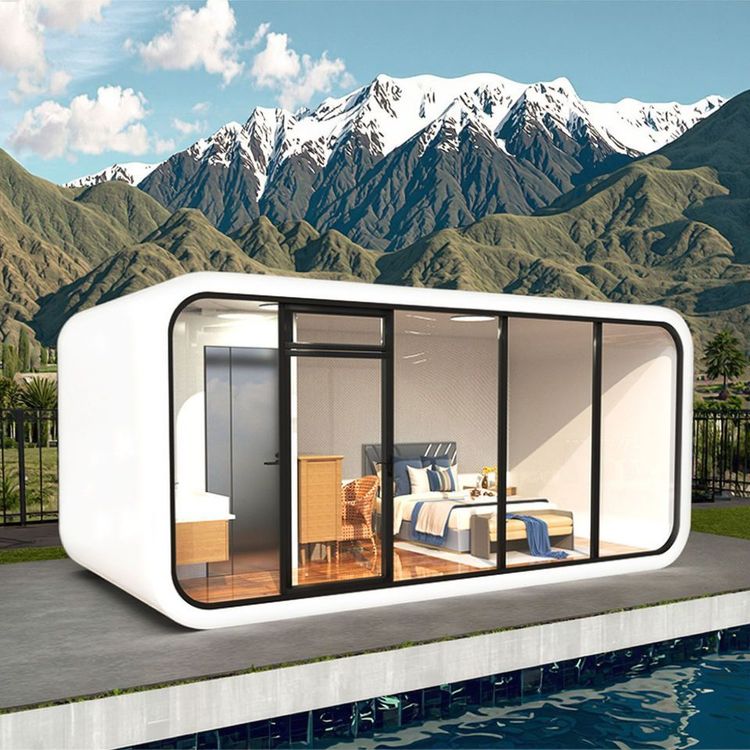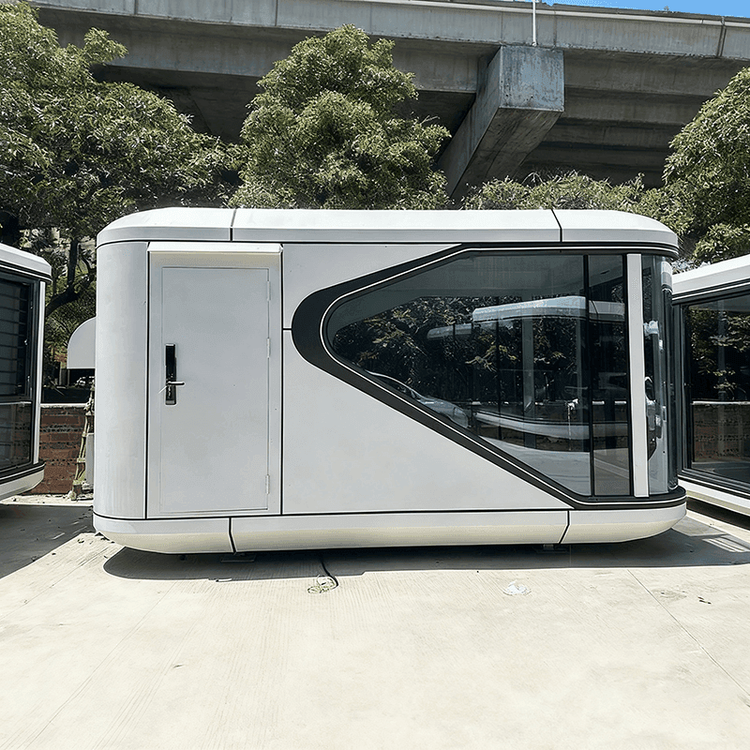
Gansu Mobile Environmental Toilet Installation
The installation of mobile environmental toilets in Gansu has multiple characteristics, which are detailed below from the aspects of materials, structure, sewage disposal, installation and transportation, and climate adaptability:

Material Selection: To adapt to the northwestern environment, mobile environmental toilets in Gansu are carefully selected in terms of materials. High-strength fiberglass is widely used, which is corrosion-resistant and can withstand low temperatures, with a service life of over 10 years. Some interiors are also equipped with insulation layers. The frame material of color-steel mobile toilets mainly uses aluminum-zinc-coated steel plates. Under the dry and windy climate conditions in Gansu Province, compared to traditional galvanized steel plates, they exhibit superior corrosion resistance, with a corrosion-resistant lifespan that can be 2 to 3 times that of ordinary materials. Additionally, some use hot-dip galvanized materials, with metal carved panels for wall panels, aluminum alloy for toilet doors, PVC ceilings, and marble steps at the bottom.
Structural Design: Modular design is adopted, allowing for quick assembly and disassembly according to different scenarios. The internal layout is flexible, equipped with squatting positions and toilets, and also considers barrier-free facilities. The structural connection of color-steel mobile toilets uses a combination of modular buckles and high-strength bolts. All connection nodes undergo finite element simulation analysis to ensure that the displacement does not exceed 1/300 of the height under a 7-level wind load. The installation process does not require on-site welding operations. All prefabricated components use unified interface standards, and millimeter-level precision docking can be achieved during on-site assembly using dedicated positioning fixtures, reducing wet construction processes in traditional toilet construction by about 80%.
Sewage Disposal System: Many toilets use a water circulation system, where used water is treated and reused, saving water resources. Some high-end products are equipped with automatic flushing and deodorization systems. For areas without sewer pipes, environmentally friendly fecal tanks are used, which are regularly cleaned by dedicated personnel. The treatment system of color-steel mobile toilets is equipped with vacuum negative pressure and biofilm reaction units, using only 10% of the water of traditional water-flush toilets. The bio-reaction tank is internally equipped with polypropylene fillers, and the microbial load is more than 5 times higher than that of the traditional activated sludge method. The excretion conversion process includes a three-stage treatment process. In the final output, solid humus can be used as a soil conditioner, and the filtered water meets the water quality standards for farmland irrigation.
Installation and Transportation: Considering the complex terrain in Gansu, special vehicles may be required for transportation in mountainous scenic areas. In cities, attention should be paid to traffic and pedestrian safety during installation. Many manufacturers offer integrated transportation and installation services, with the installation process generally completed within 1 to 2 hours. The transportation of color-steel mobile toilets is optimized through standardized container sizes. All equipment inside the modules is integrated and debugged before leaving the factory, and only needs to be connected to water and electricity upon arrival at the site, reducing the conversion time from equipment placement to operation to within 4 hours.
Climate Adaptability Design: Color-steel mobile toilets adopt a composite insulated wall structure, using 100mm thick rock wool sandwich panels, with a thermal conductivity controlled below 0.038 watts per meter-kelvin. The roof is equipped with adjustable ventilation ridges, which can lower the indoor temperature by 3 to 5 degrees Celsius in summer through the thermal pressure ventilation effect, and create an indoor-outdoor temperature difference of up to 15 degrees Celsius in winter when the air ducts are closed.