
Mobile Toilets in Jiayuguan City, Gansu Province
Mobile toilets in Jiayuguan City, Gansu Province, are an important supplementary form of public sanitation facilities, particularly suitable for areas where fixed public toilets are insufficient or difficult to construct, offering flexibility, environmental friendliness, and efficiency.
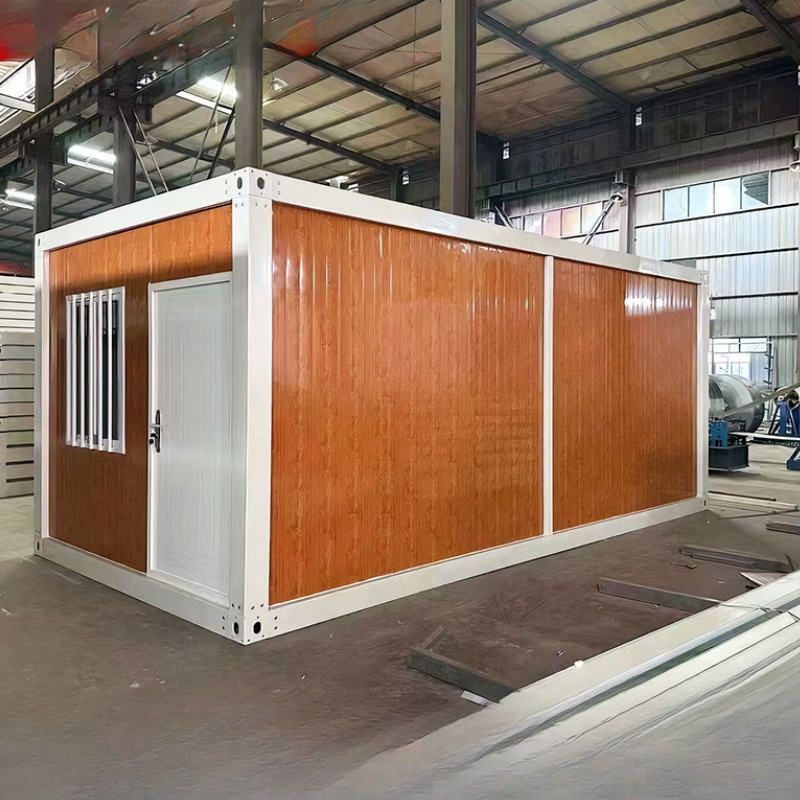
I. Product Features and Advantages
The mobile toilets in Jiayuguan City adopt a modular box structure, with the main body made of lightweight, high-strength composite materials, facilitating easy transportation and rapid installation. Their core advantages include:
- Flexibility and Adaptability: They do not require external water and electricity connections, occupy little space, and are highly mobile,不受场地、气候限制 (free from site and climate constraints), making them suitable for temporary or fixed-demand scenarios such as the outskirts of scenic spots, outdoor event venues, and transportation hubs.
- Environmental Protection and Energy Efficiency: Compared to traditional toilets, they save over 80% of water resources and reduce pollution through technologies such as microbial degradation and chemical treatment. For example, microbial degradation relies on specific bacterial colonies to decompose excreta, while chemical treatment uses agents for disinfection and deodorization.
- Aesthetic Appeal and Practicality: They feature diverse exterior designs and rich colors, balancing practicality and aesthetics. They are also sturdy, durable, and easy to clean, reducing long-term maintenance costs.
- Economy: They can be directly installed and used as finished products, saving manpower, materials, and financial resources, and avoiding resource waste caused by demolition, aligning with the current situation of tight land resources.
II. Technical Composition and Classification
Mobile toilets are integrated systems with diverse technical routes:
- Flush Type: They require connection to an external water source or are equipped with a water storage tank, and handle excreta through sewage pipelines or collection tanks, suitable for areas with water supply conditions.
- Microbial Degradation Type: They utilize bacterial colonies to decompose excreta into harmless substances, requiring little water resources, and are suitable for arid or ecologically sensitive areas.
- Chemical Treatment Type: They achieve disinfection and deodorization by adding agents, and the treated waste needs to be regularly transported away, suitable for temporary events or remote areas. In addition, the ventilation system achieves air exchange through mechanical or natural means, controlling internal odors and humidity to enhance the user experience.
III. Application Scenarios and Layout Logic
The layout of mobile toilets in Jiayuguan is closely integrated with geographical and population activity characteristics:
- Outskirts of Scenic Spots: They alleviate toilet pressure in densely populated tourist areas and avoid interference with core landscapes.
- Large-scale Outdoor Events: Such as sports events and music festivals, they provide temporary sanitation facility support.
- Transportation Hubs: They meet the needs of the floating population in temporary gathering areas such as stations and airports.
- Construction Sites: As supporting facilities, they ensure basic sanitation conditions for workers. When selecting sites, comprehensive consideration should be given to vehicle accessibility, environmental impact, and maintenance accessibility to ensure efficient operation of the facilities.
IV. Maintenance and Operation Management
The maintenance process for mobile toilets includes:
- Daily Cleaning: Regularly clean the interior and replenish consumables such as toilet paper and hand soap.
- Technical Maintenance: Depending on the treatment type, microbial degradation requires adding bacterial colonies, while chemical treatment requires monitoring the effectiveness of agents.
- Waste Disposal: Flush types require the transportation of collection tanks, while microbial/chemical treatment types require regular cleaning of residues. The maintenance frequency depends on usage intensity and environmental conditions to ensure long-term stable operation of the facilities.



